Manuel NeriSelected Works by Ruby Neri
Installation Views
Artwork
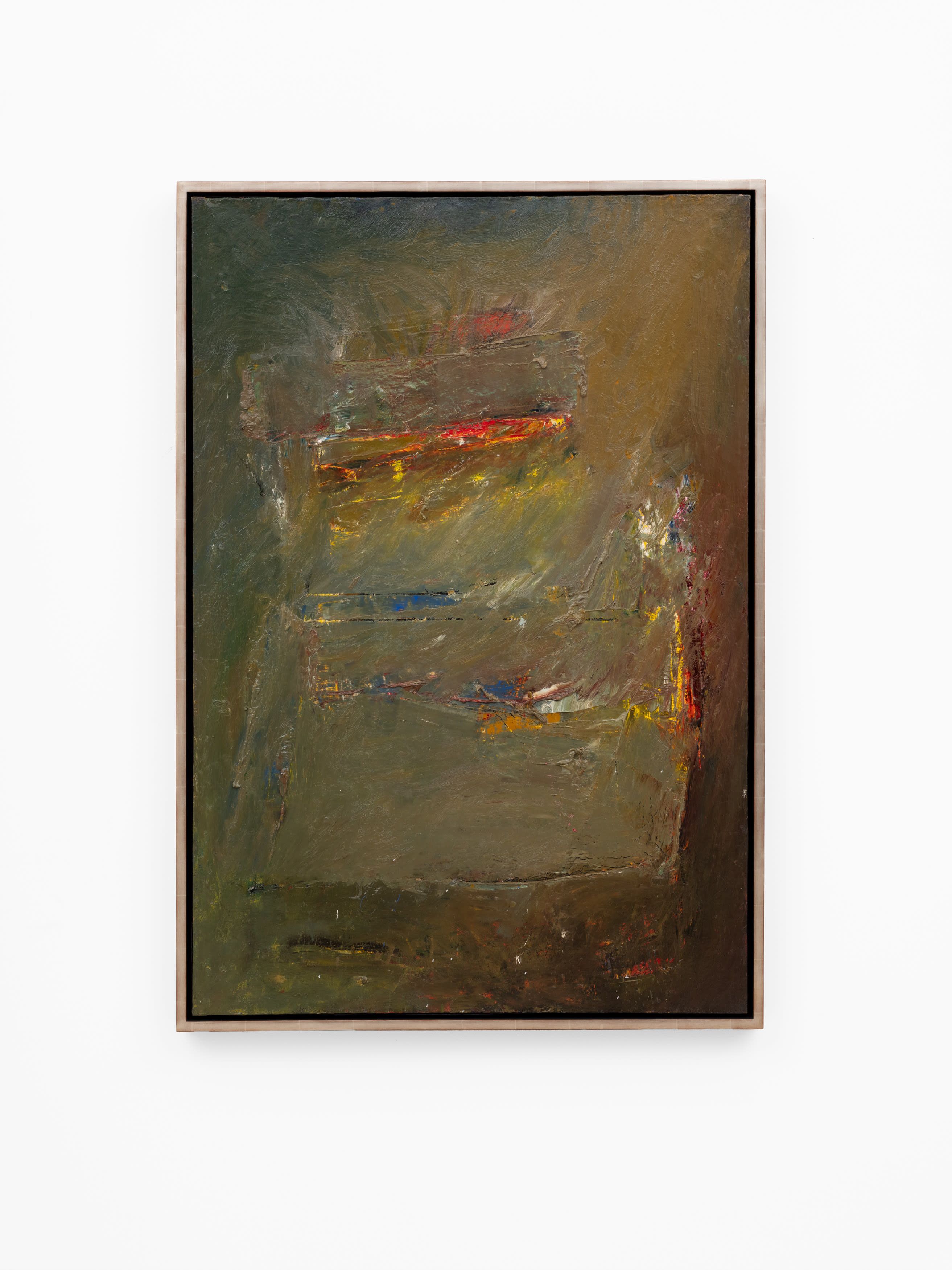
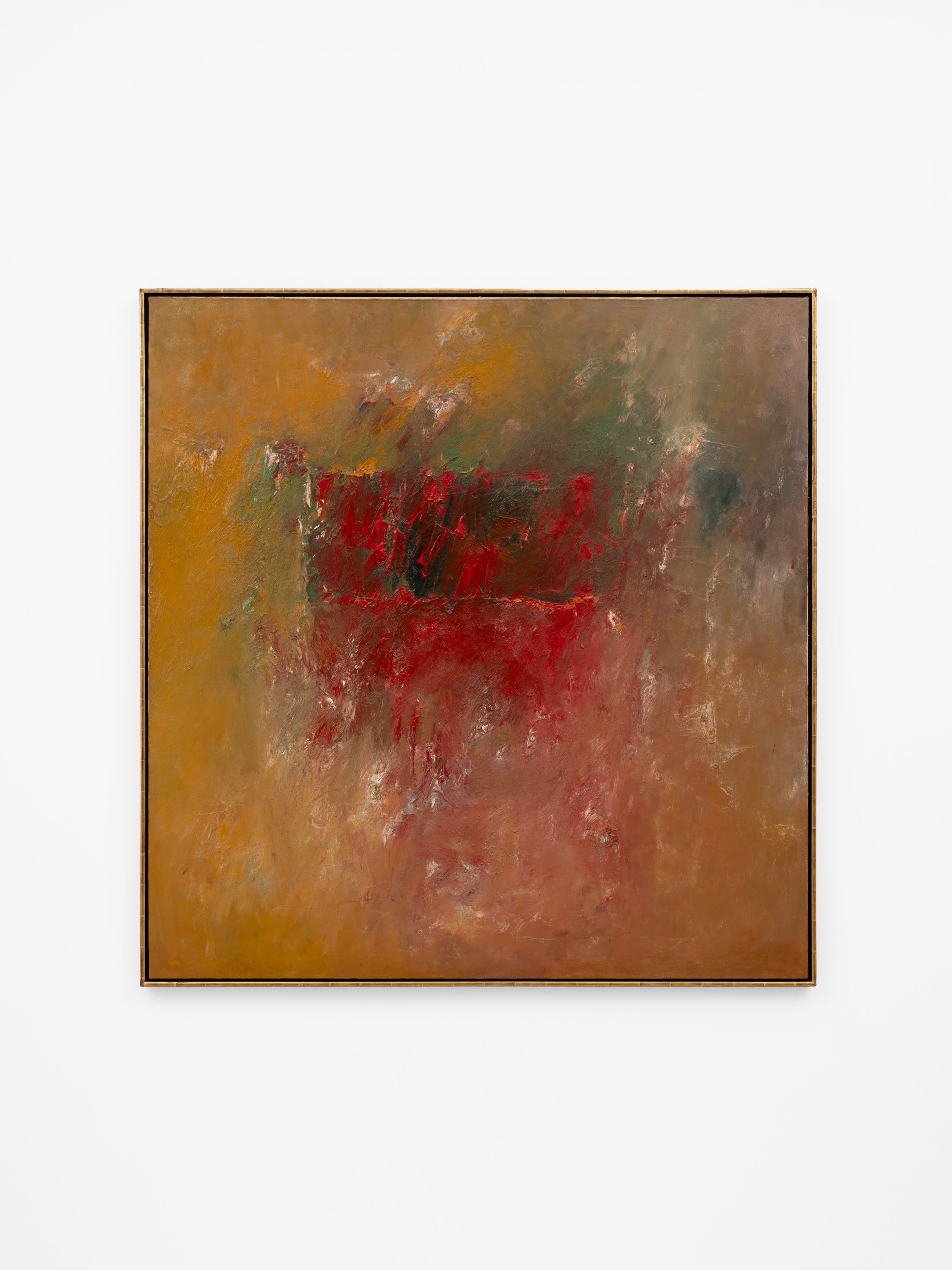
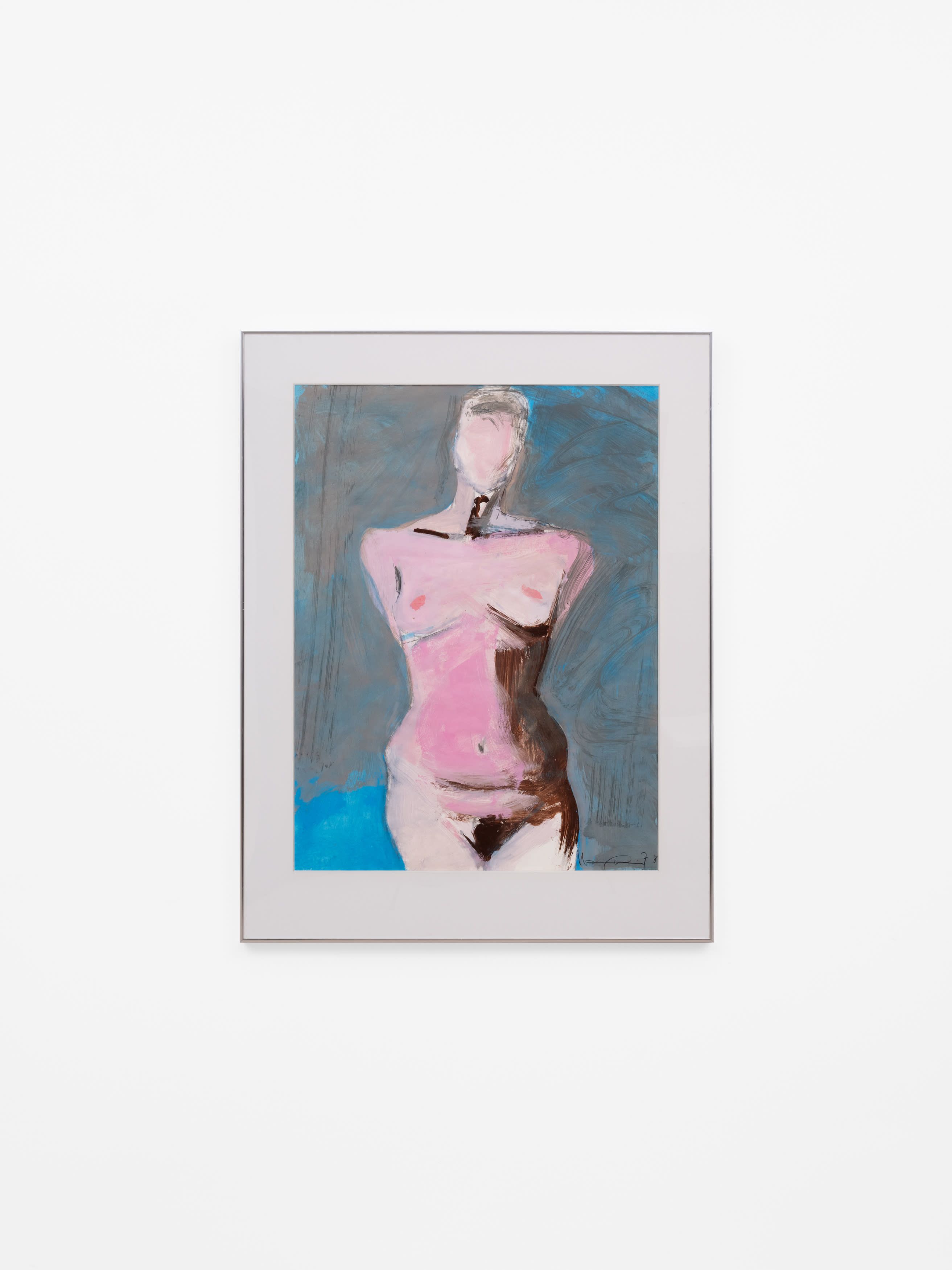
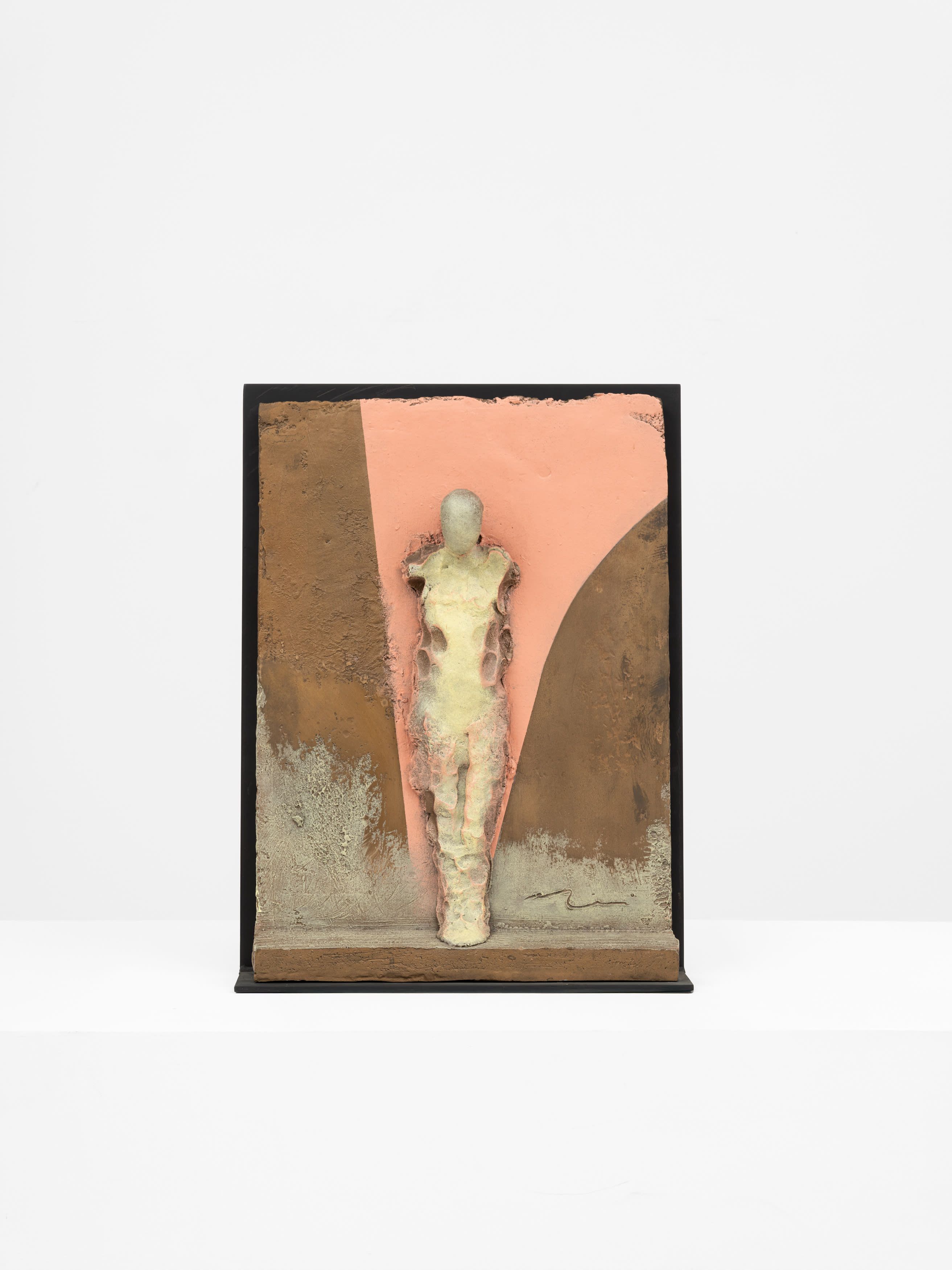
MANUEL NERI
Selected Works by Ruby Neri
Salon 94 | March 5 – April 11, 2026
Andrew Kreps | March 6 – April 18, 2026
“Romance, nostalgia, stories, and travel—my father had a rich world, and at times would allow us, his kids, glimpses of it: his stories of being among the Beat poets, traveling in Mexico, being left on desolate islands in the Adriatic Sea with little food, or flying over the Nazca lines in a biplane. Or the stories of his relationship with Joan Brown—how defiant they were of New York, how they created their own artistic voices, influenced by yet entirely separate from the Ab/Ex scene. All of these stories sounded fantastical and wondrous to us—a life I came to naturally expect for myself as well." – Ruby Neri
Salon 94 and Andrew Kreps Gallery present the first posthumous solo exhibition of Manuel Neri (1930–2021), curated by his daughter, artist Ruby Neri. Spanning both galleries uptown and downtown, the exhibition gathers plaster sculptures, bronzes, and works on paper from the late 1950s through the 1980s—a meditation on a practice defined by unwavering commitment to the hand, the figure, and the process of making. Through Ruby's eyes, Manuel's work is recognized for what it always was—trailblazing, uncompromising, and essential to the broader historical canon of postwar American art.
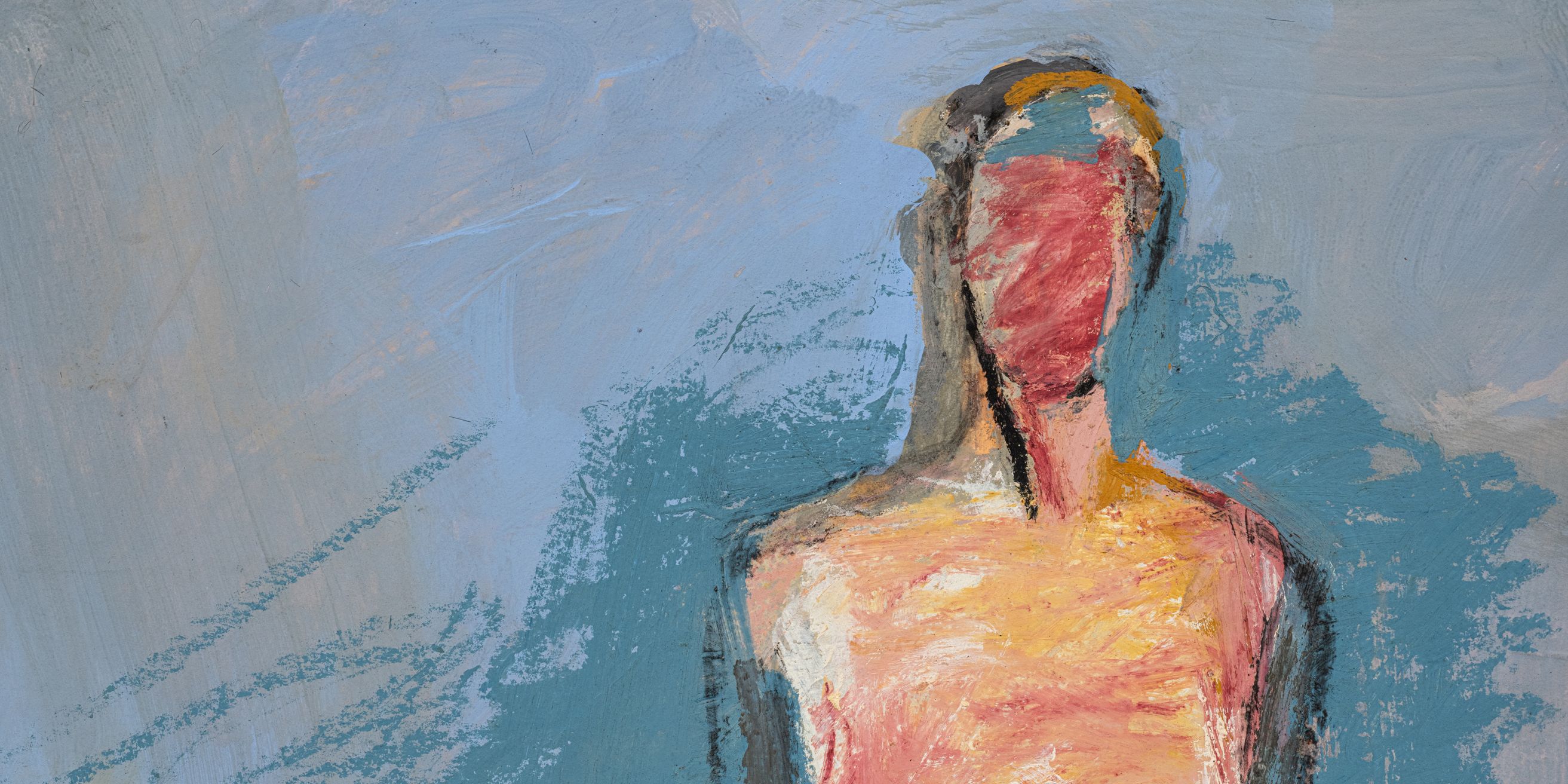
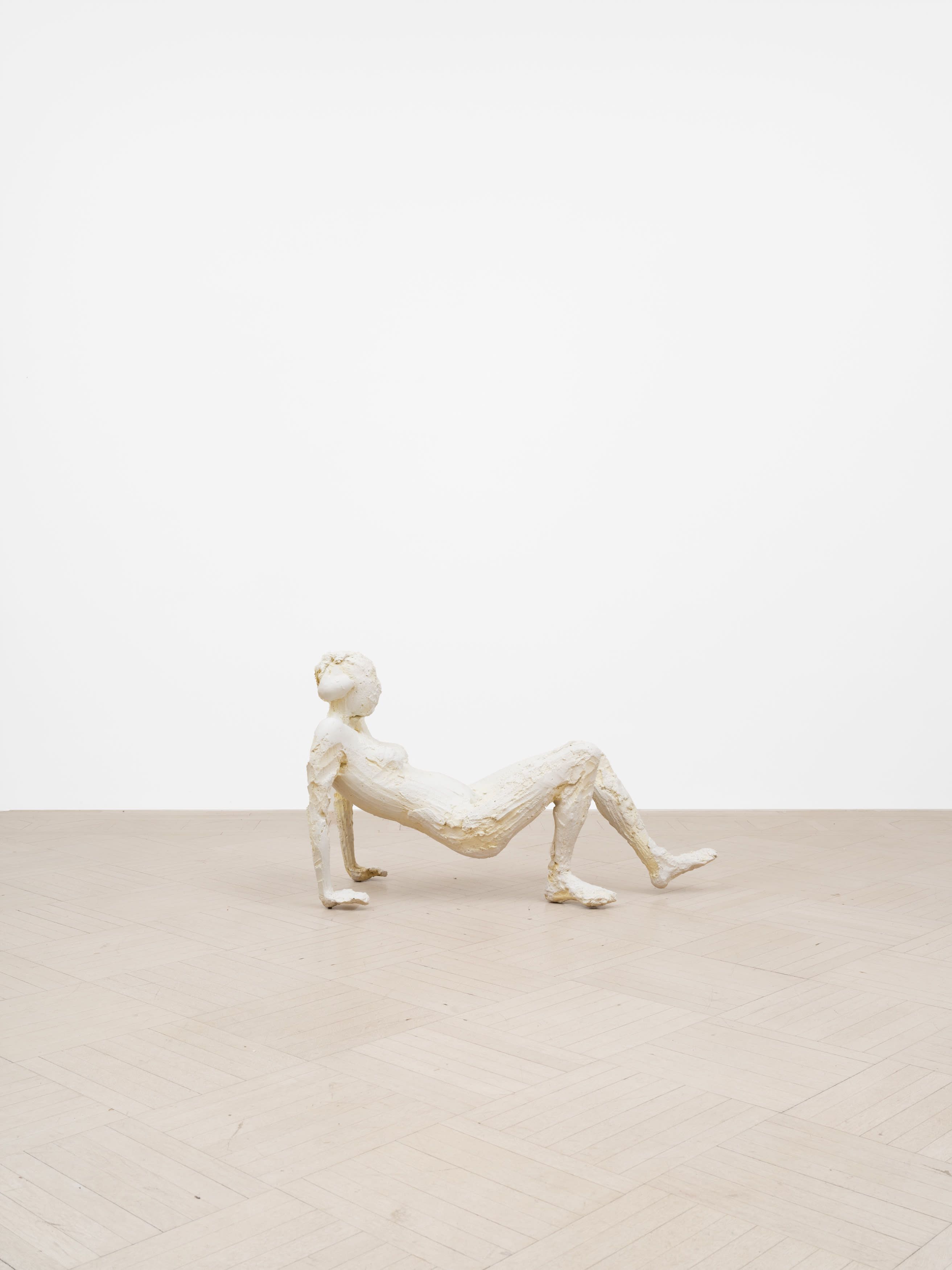
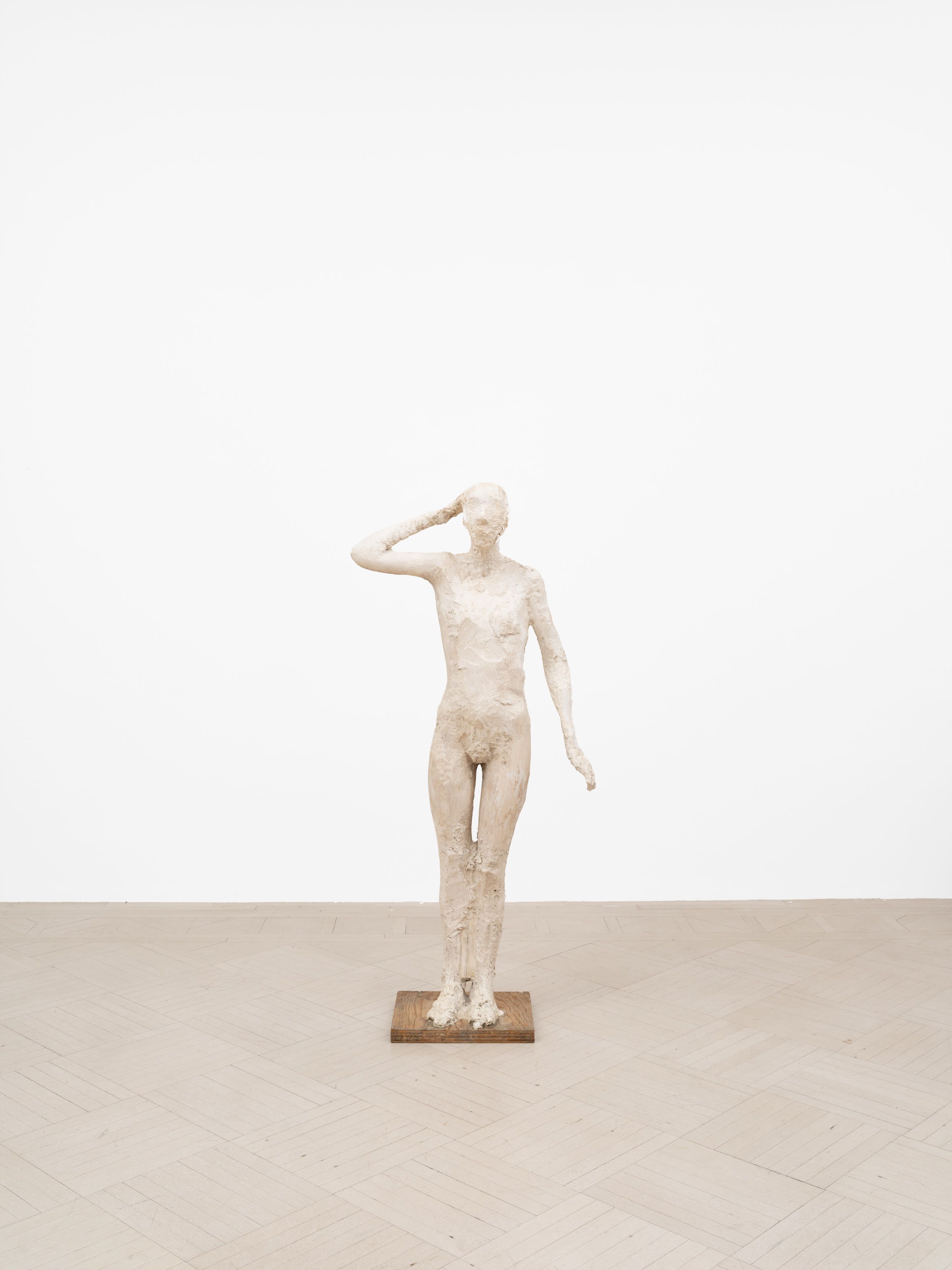
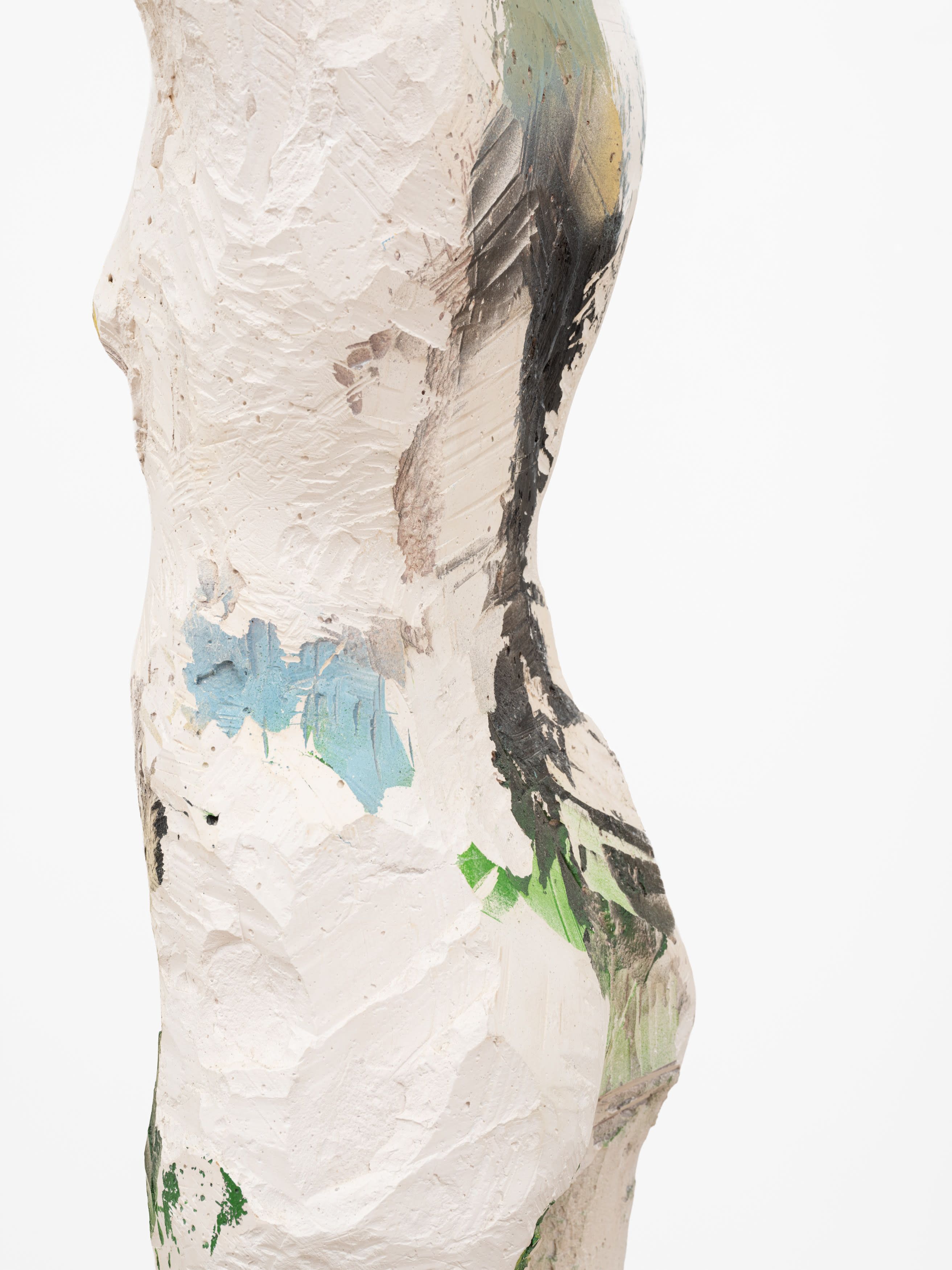
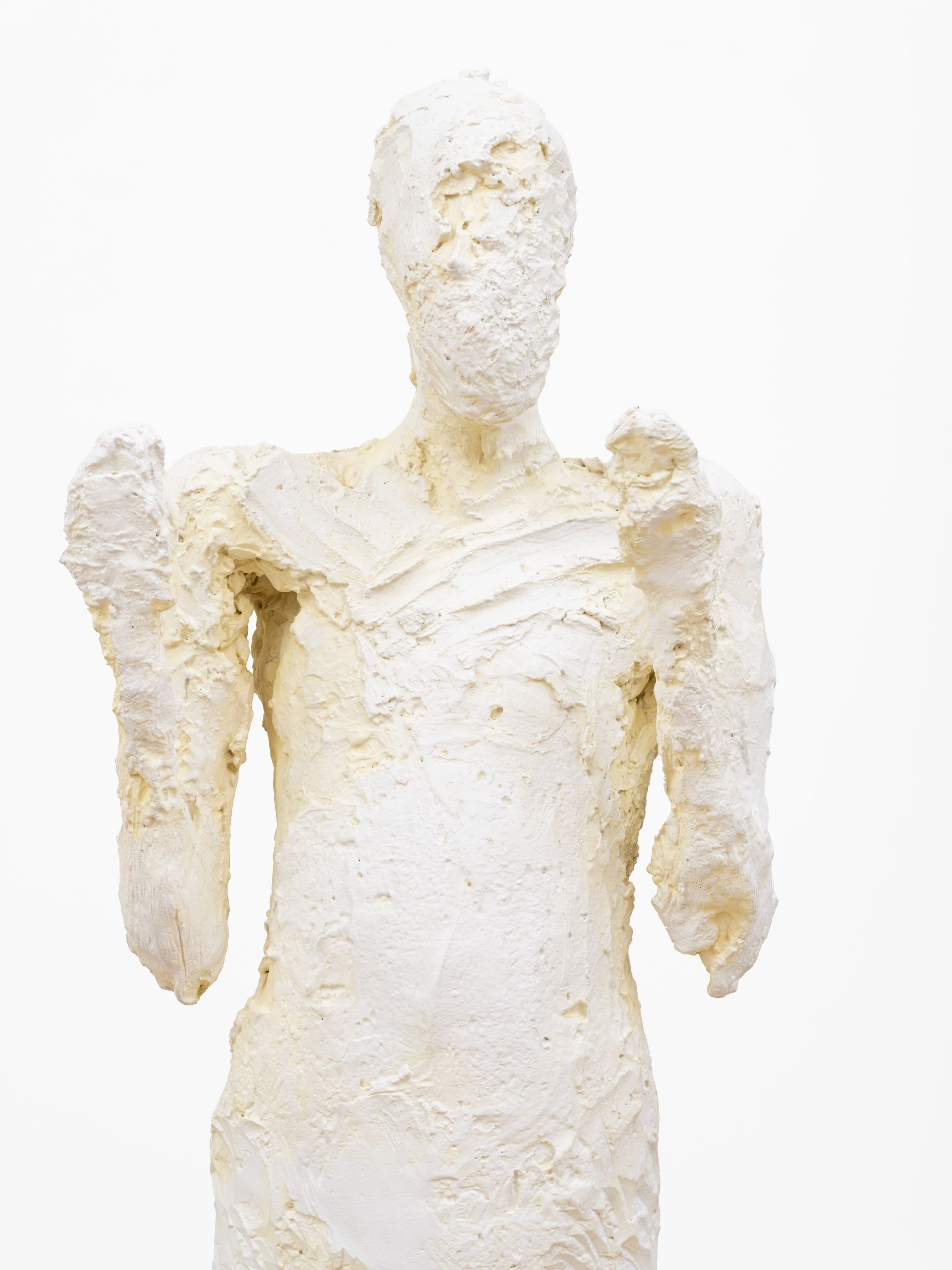
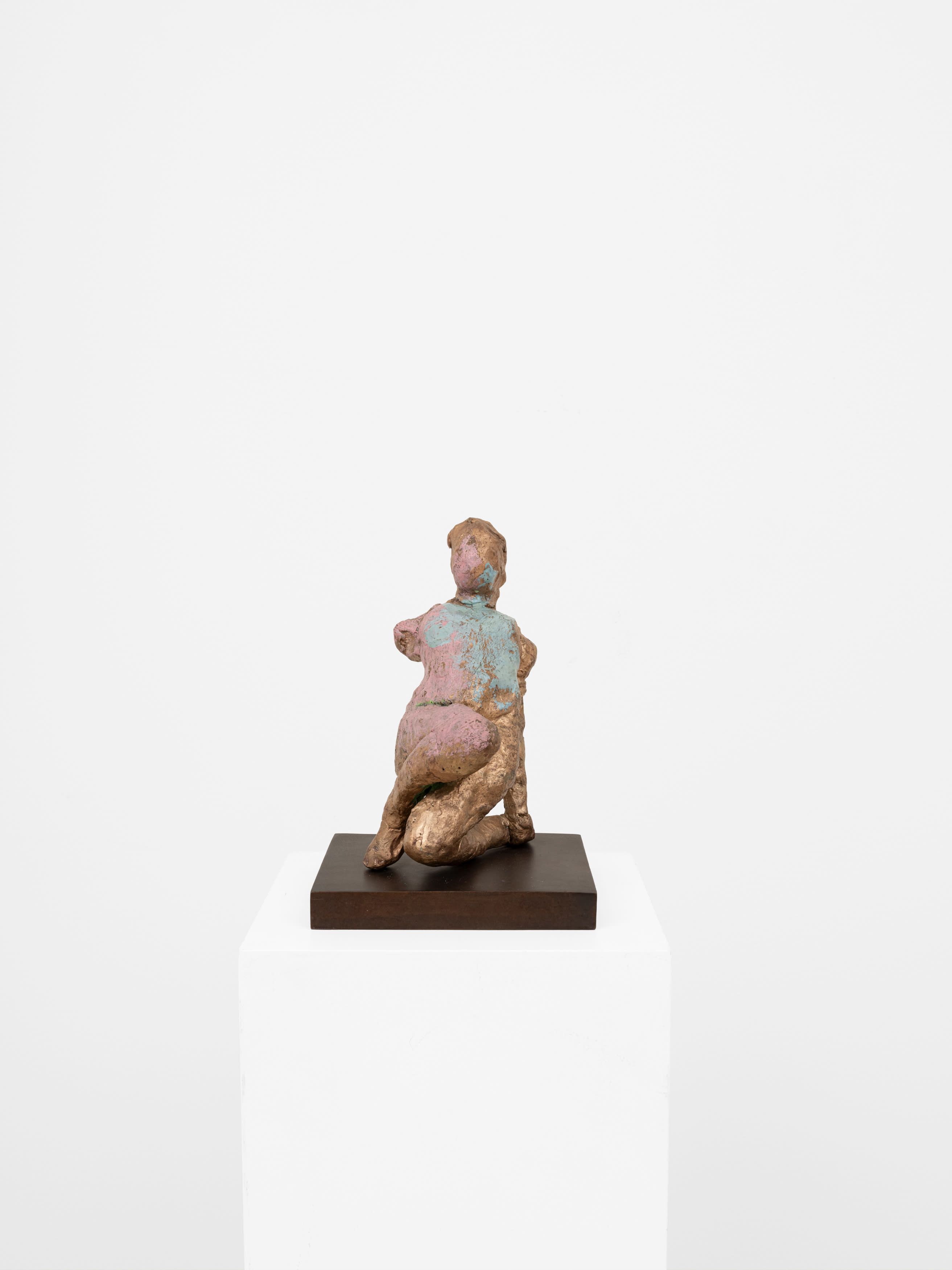
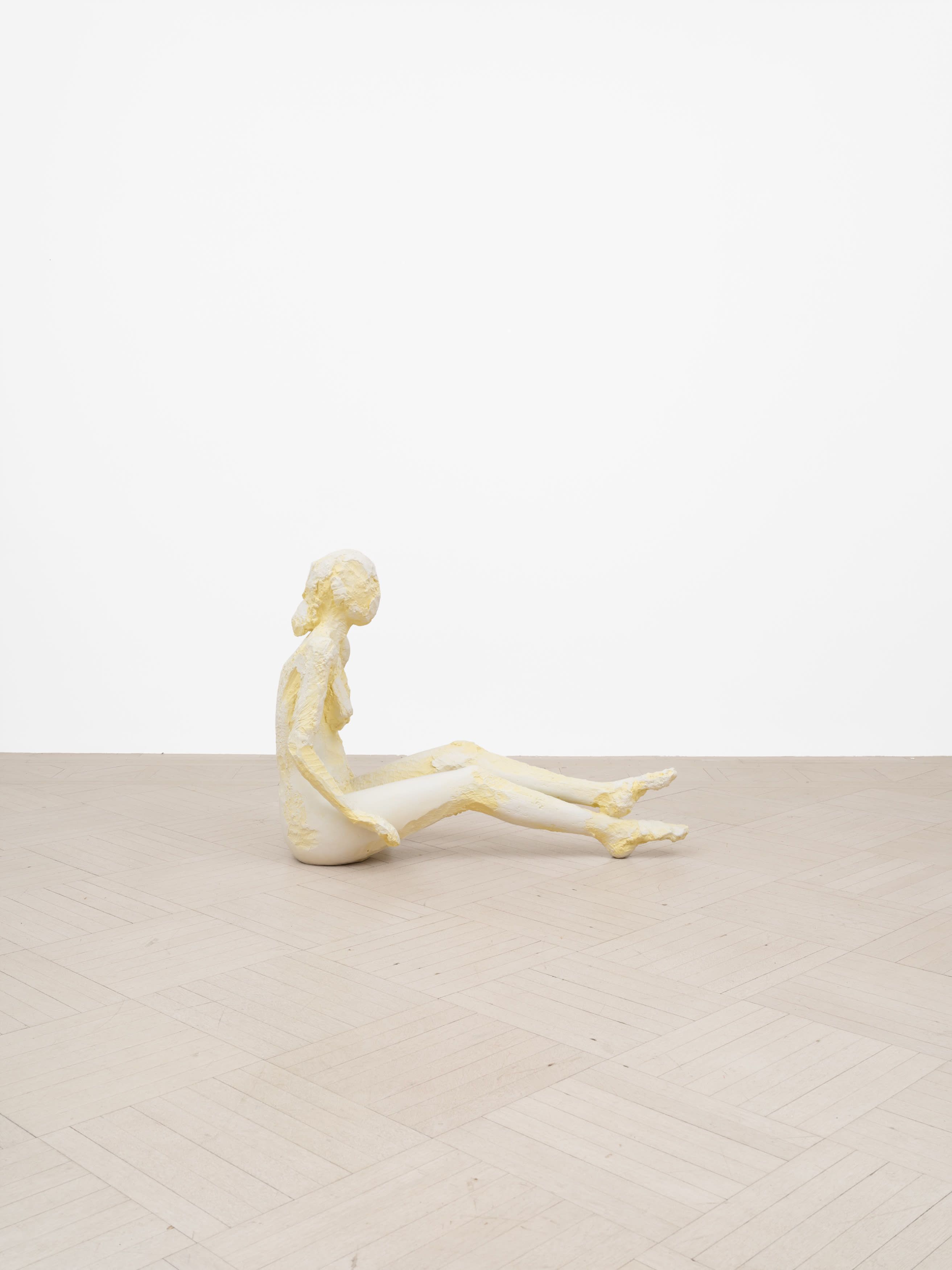
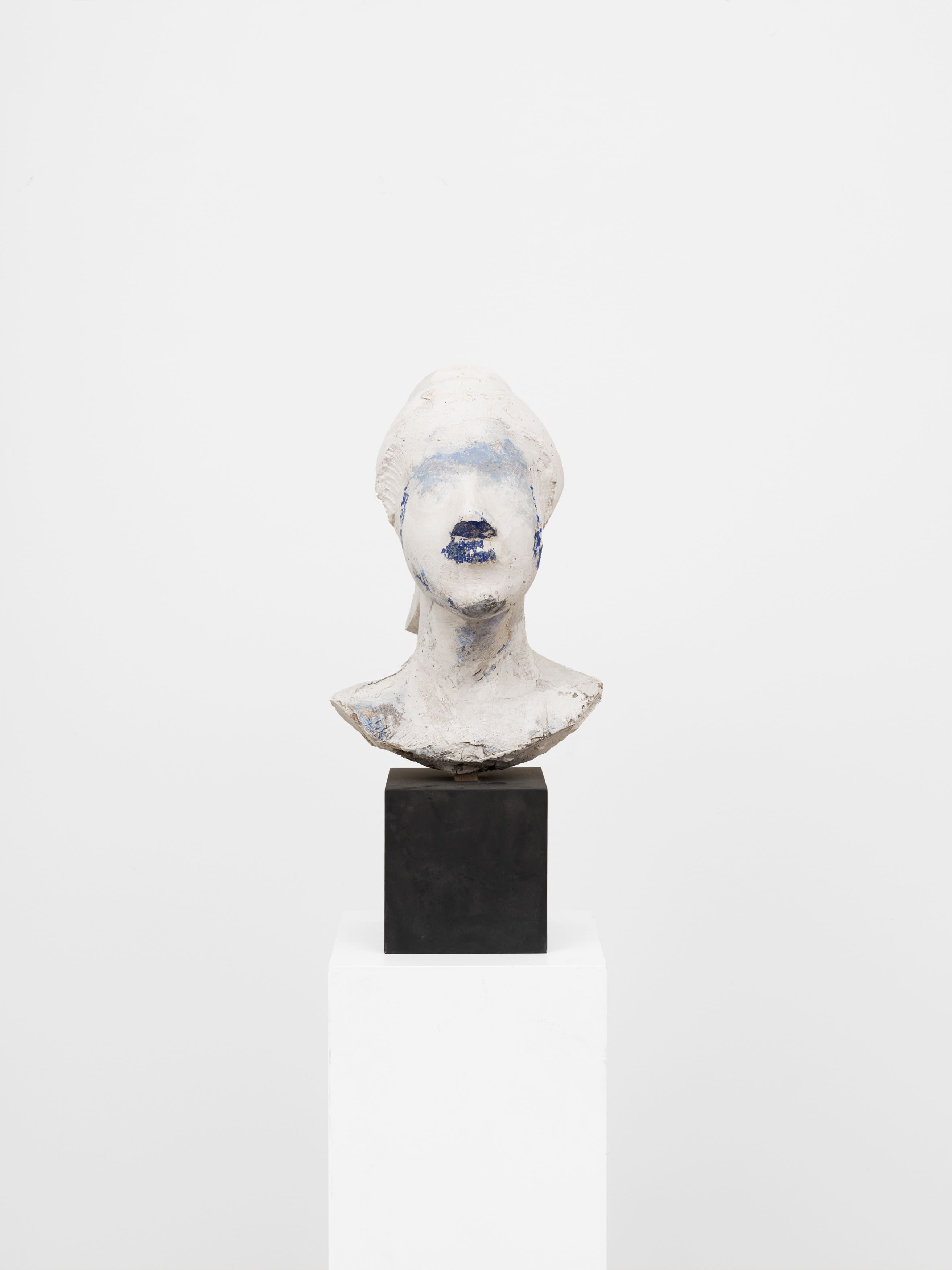
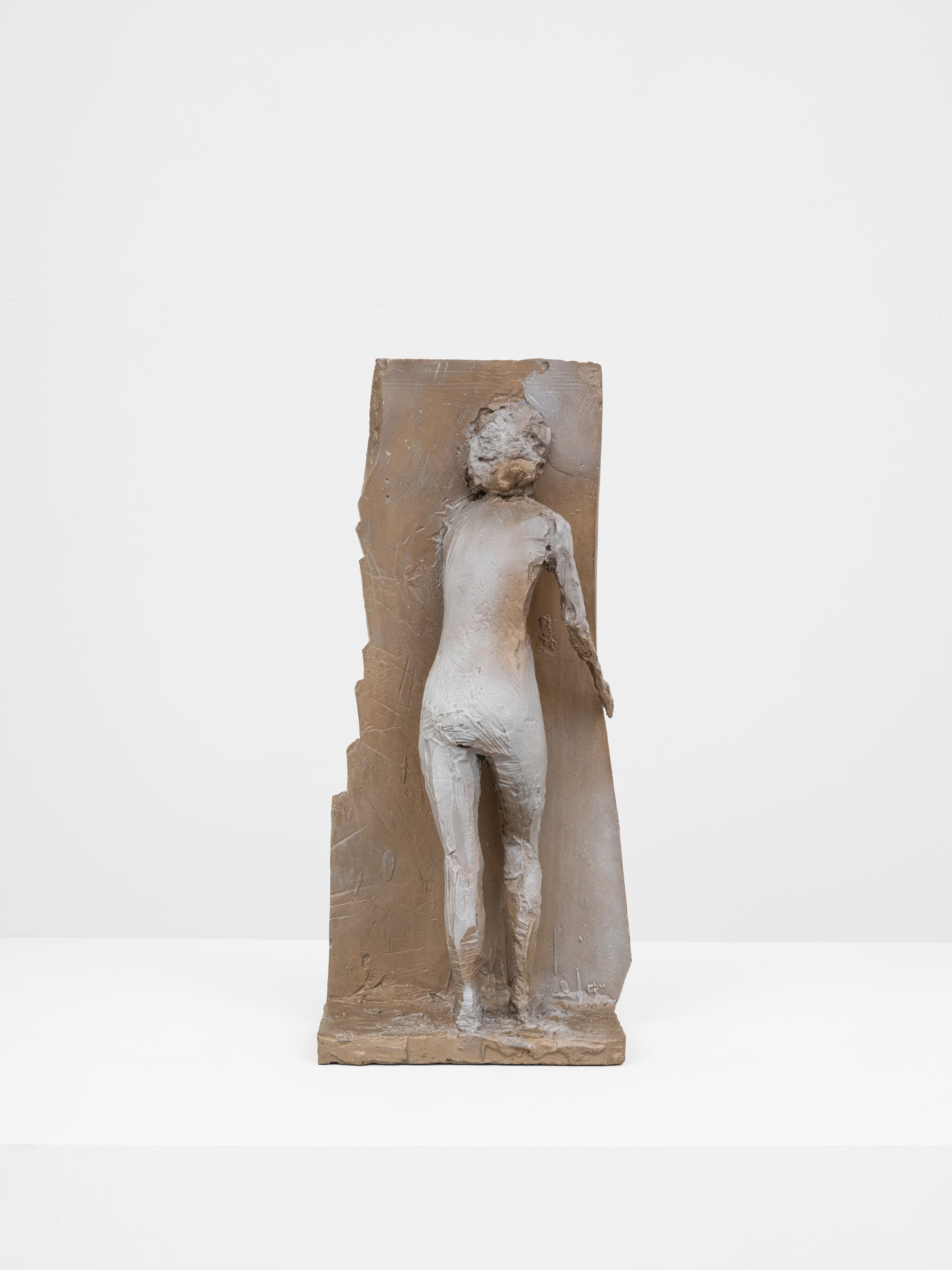
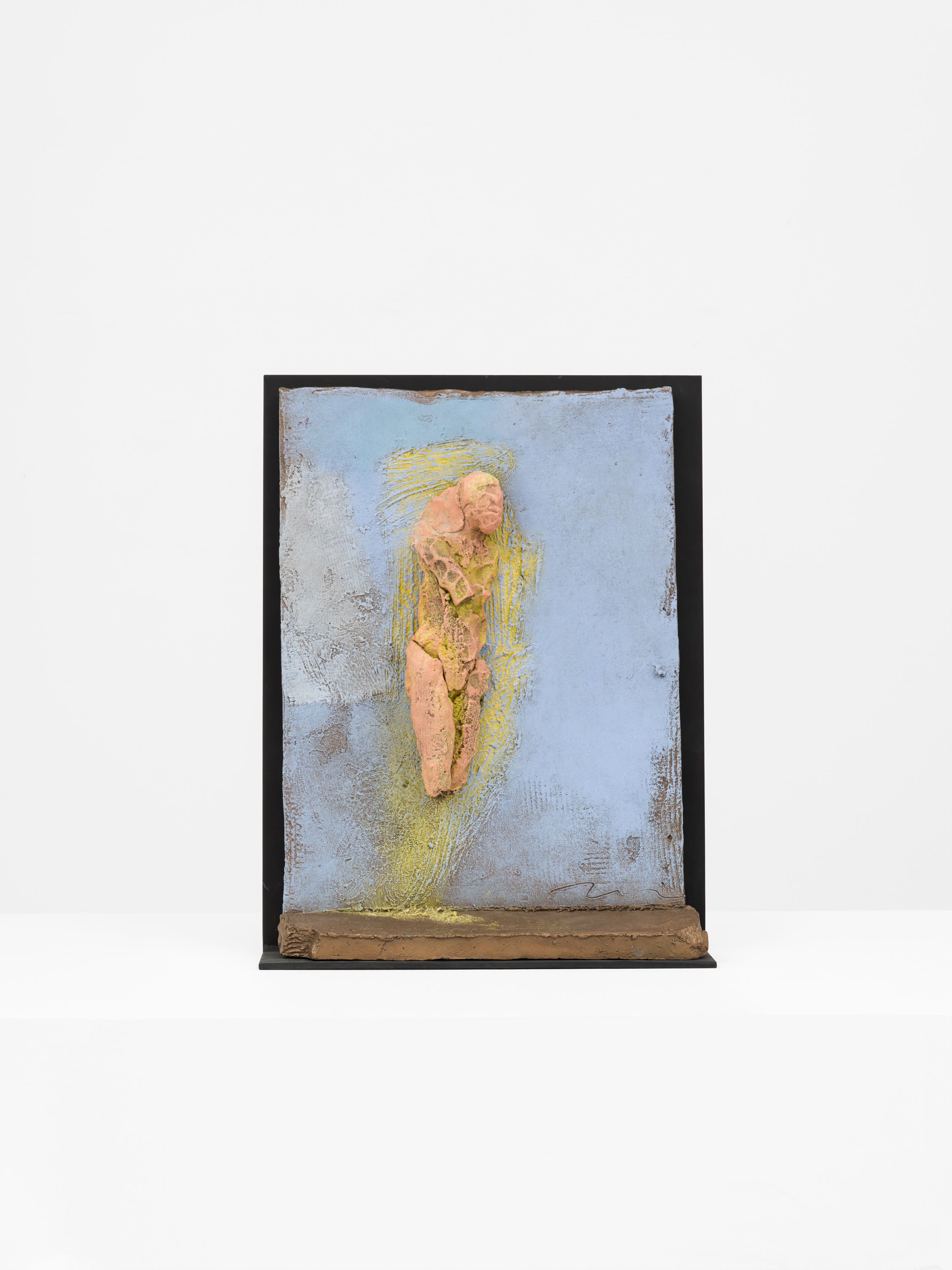
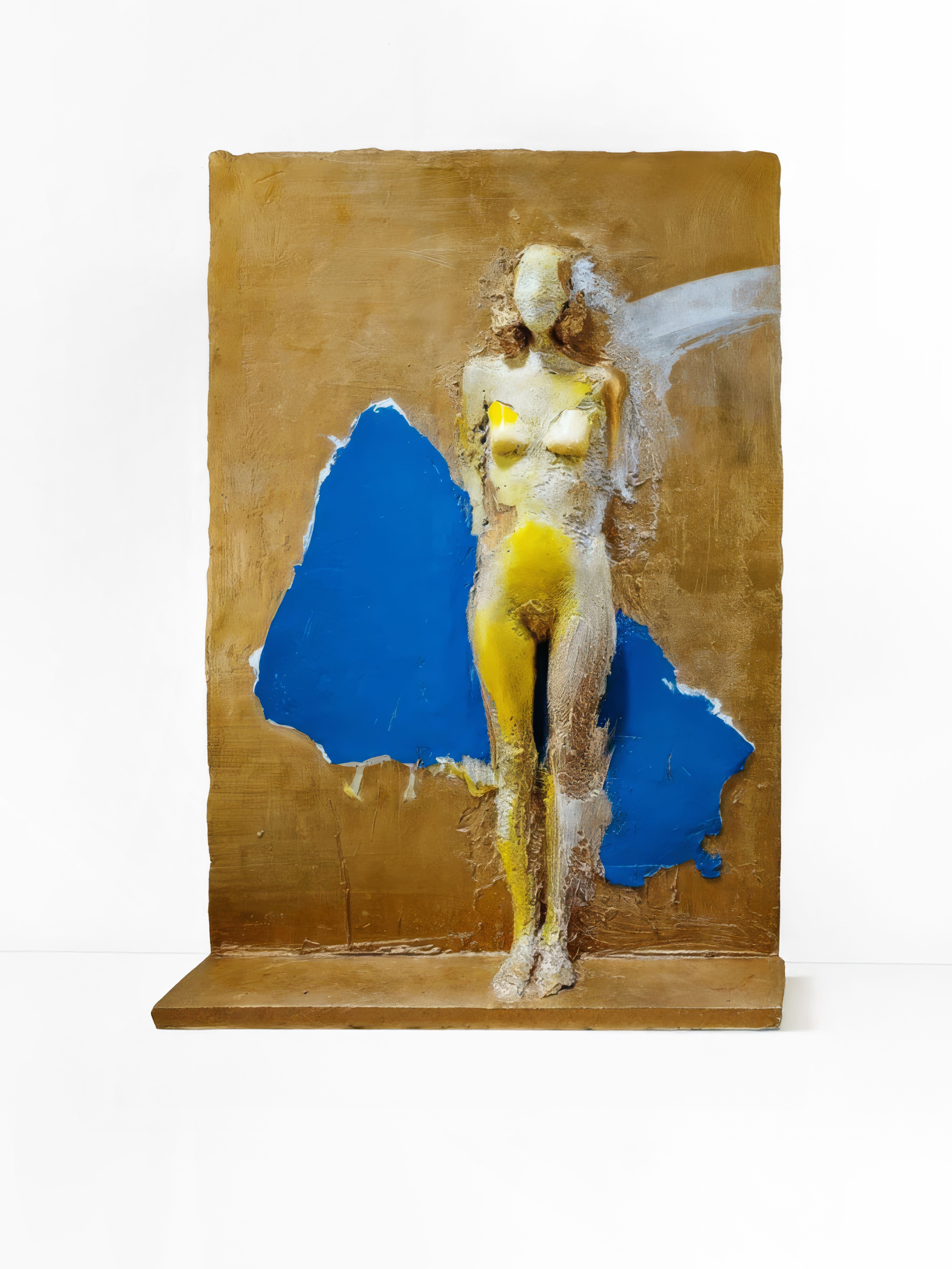
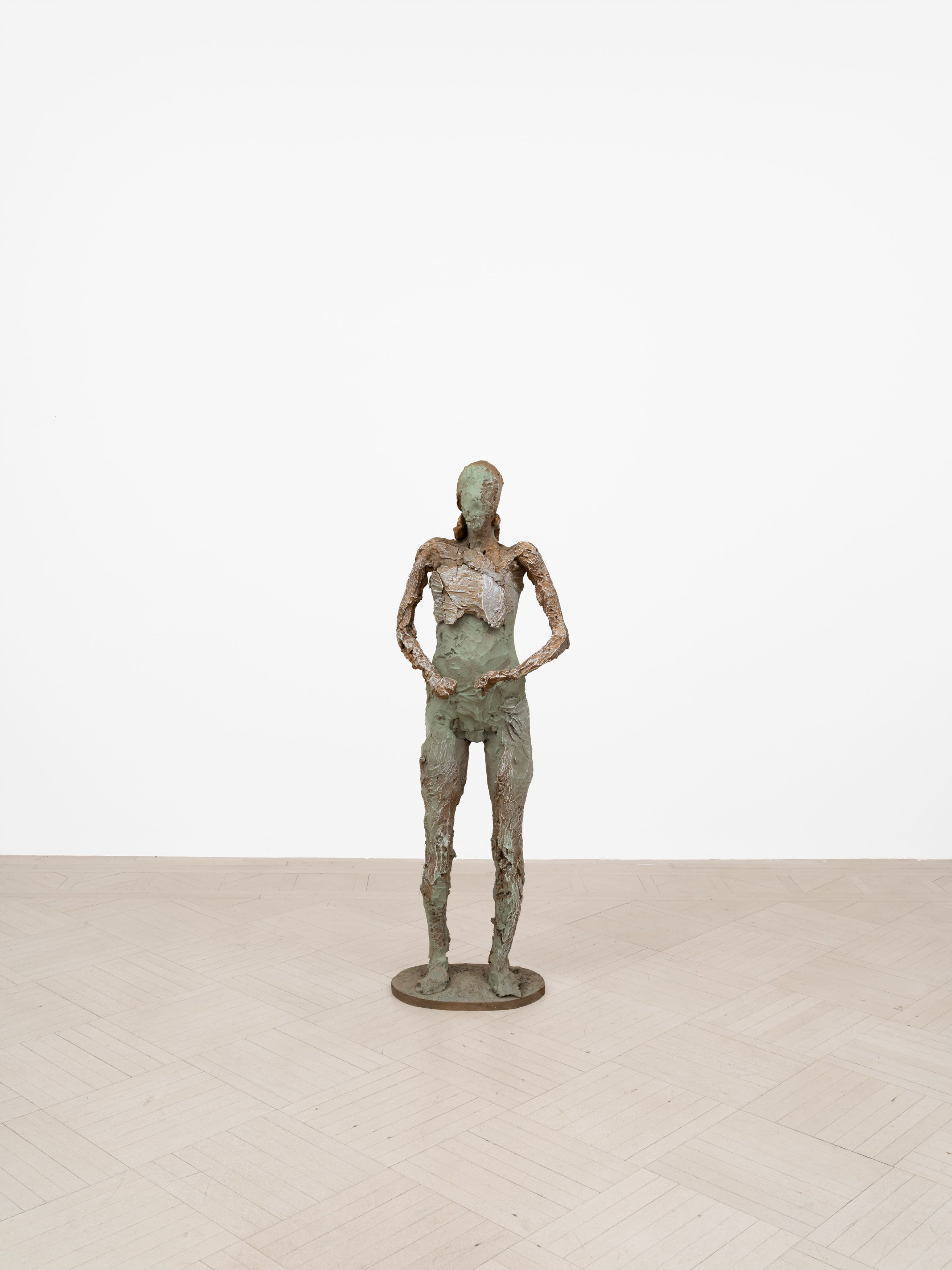
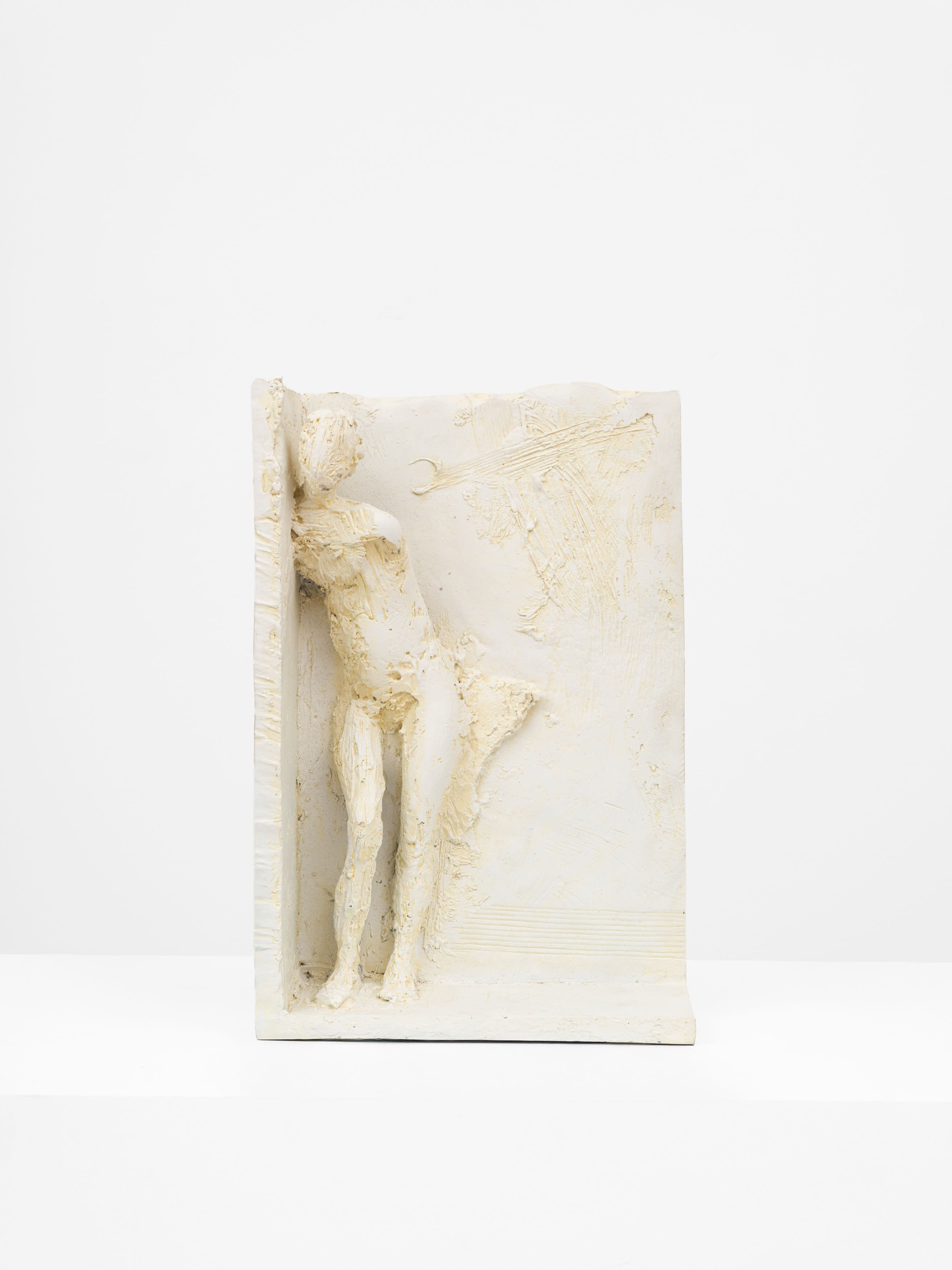
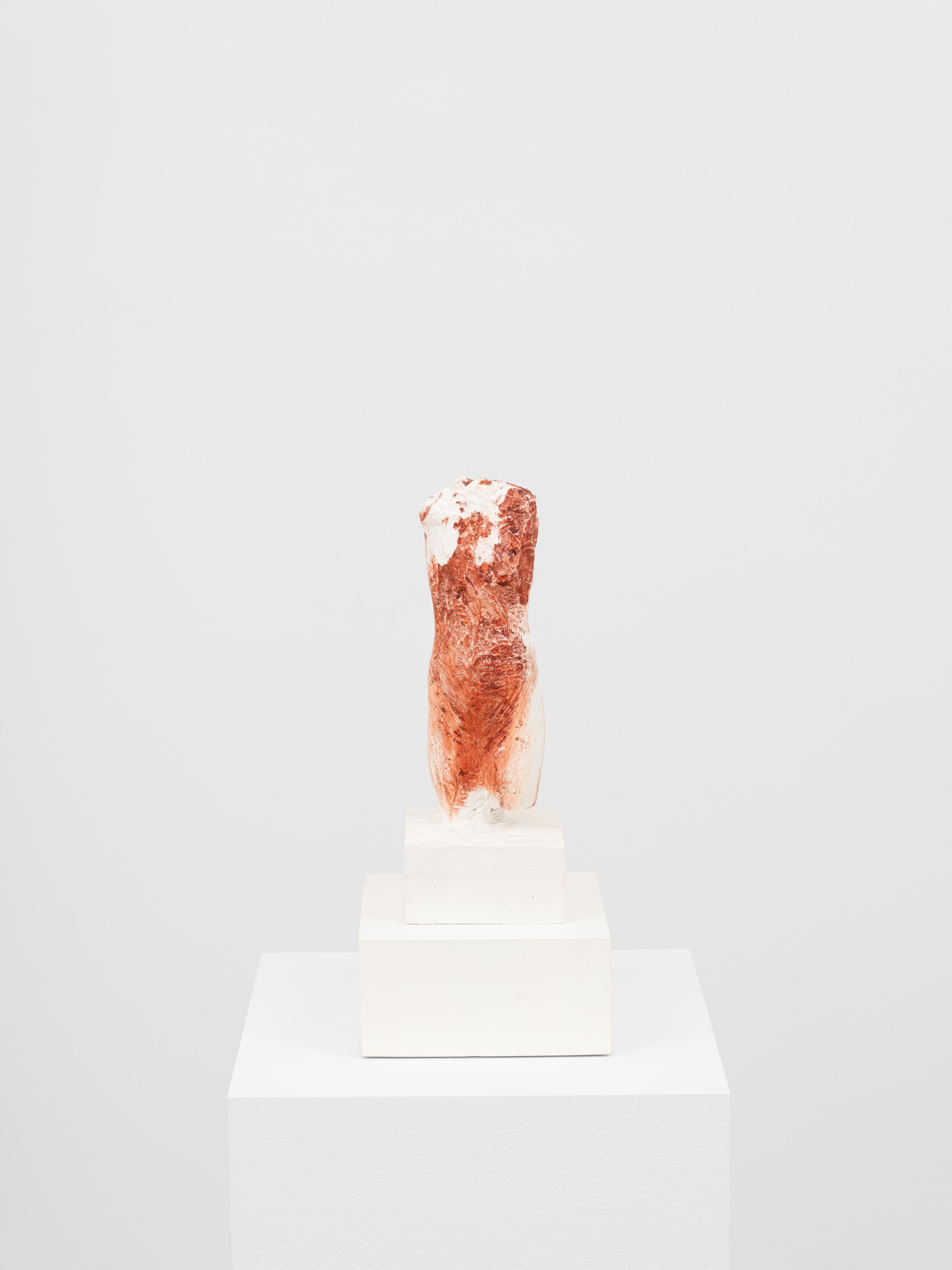
As Abstract Expressionism dominated the 1950s, Manuel Neri insisted on the figure, treating the human form as a structure similar to that of a canvas—exploring weight, gesture, and the persistence of touch—a commitment that would define his practice for the next four decades. His figures embody every scrape, gouge, and splash of paint as evidence of their own becoming. These are bodies built up and carved away, creating haptic surfaces that record Neri's hand at work. Color functions not as decoration but as structure—slashes of blue and ochre emphasize volume and movement, lending painted bronze or plaster a surface dynamism.
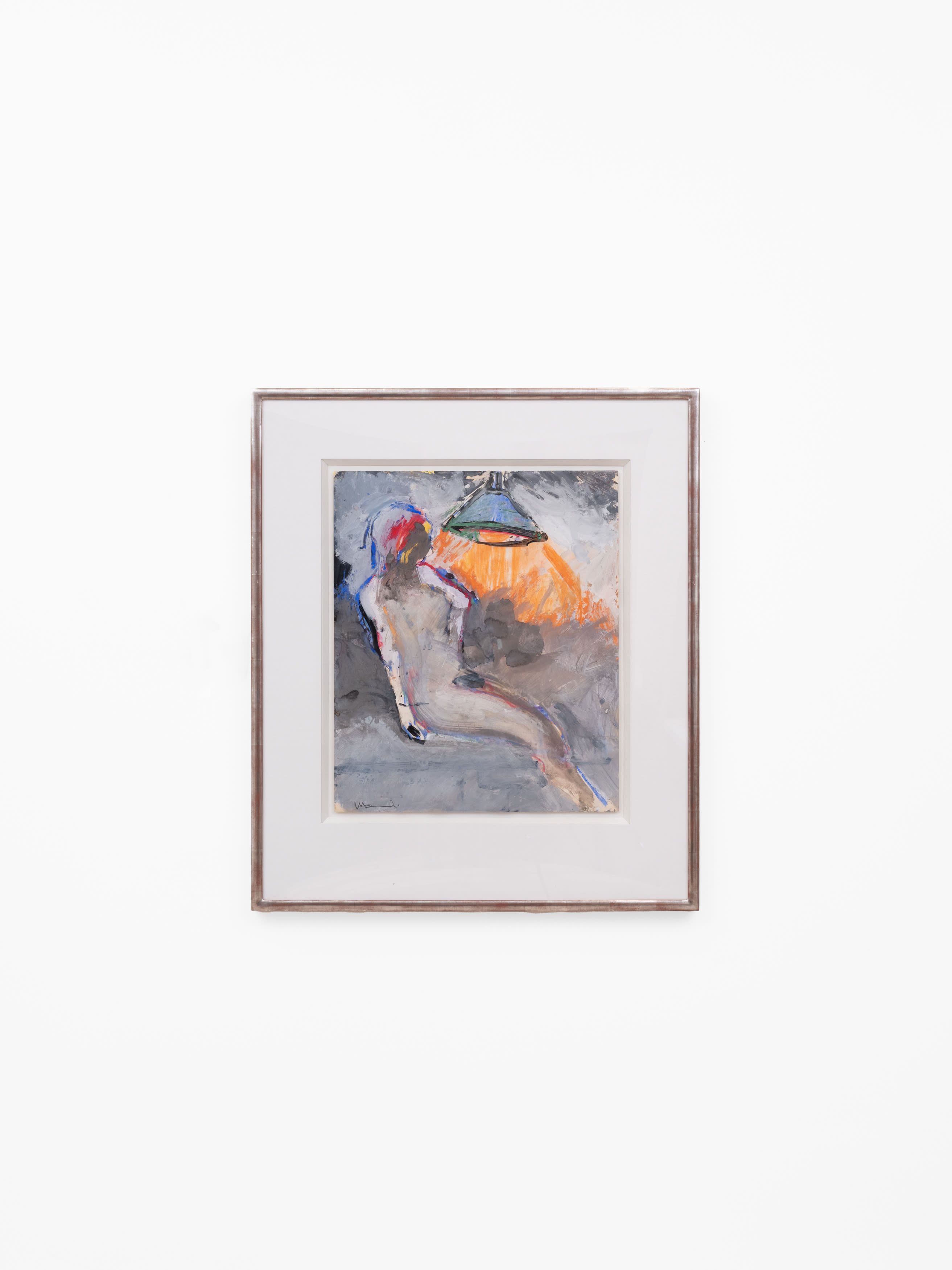
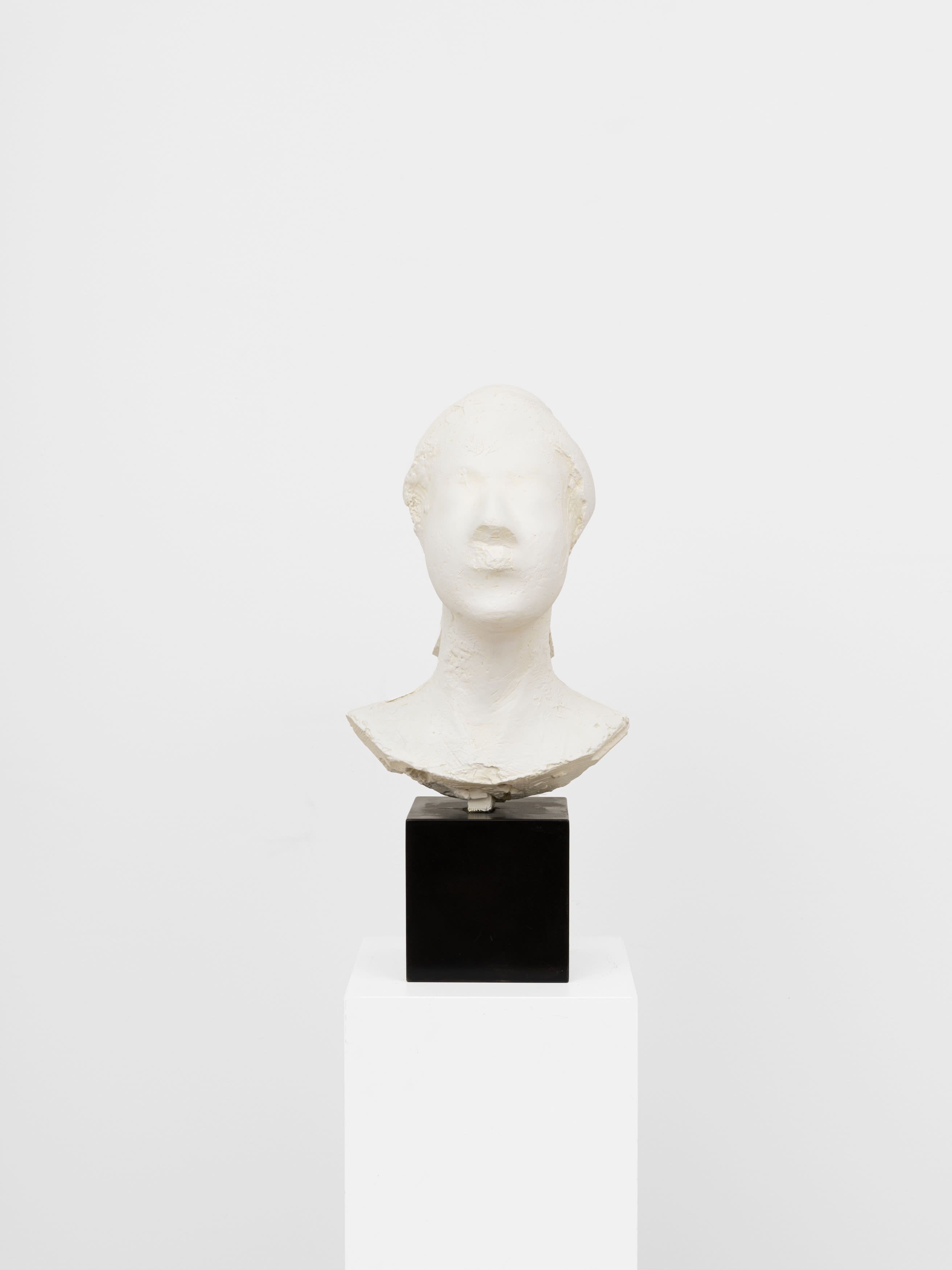
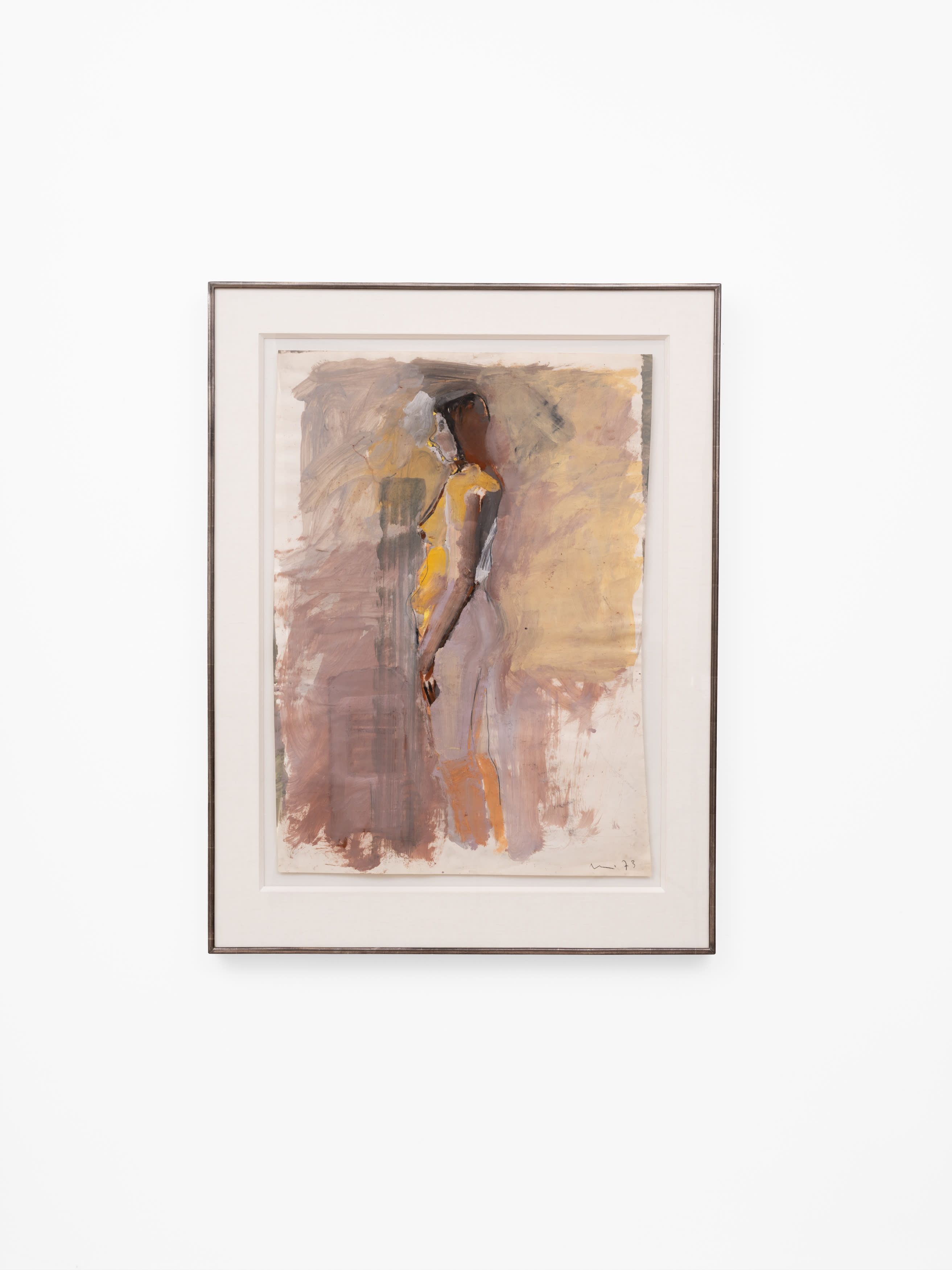
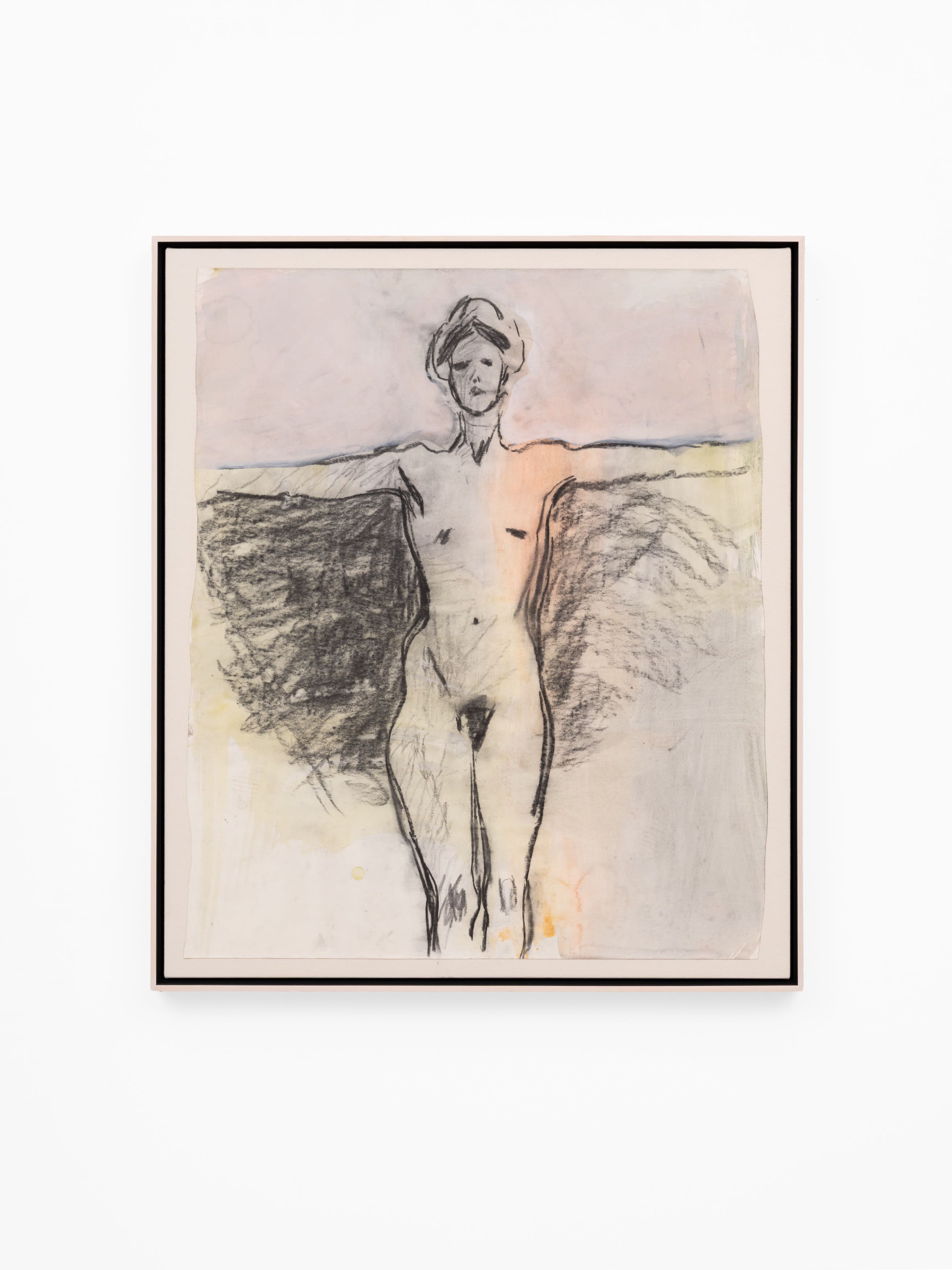
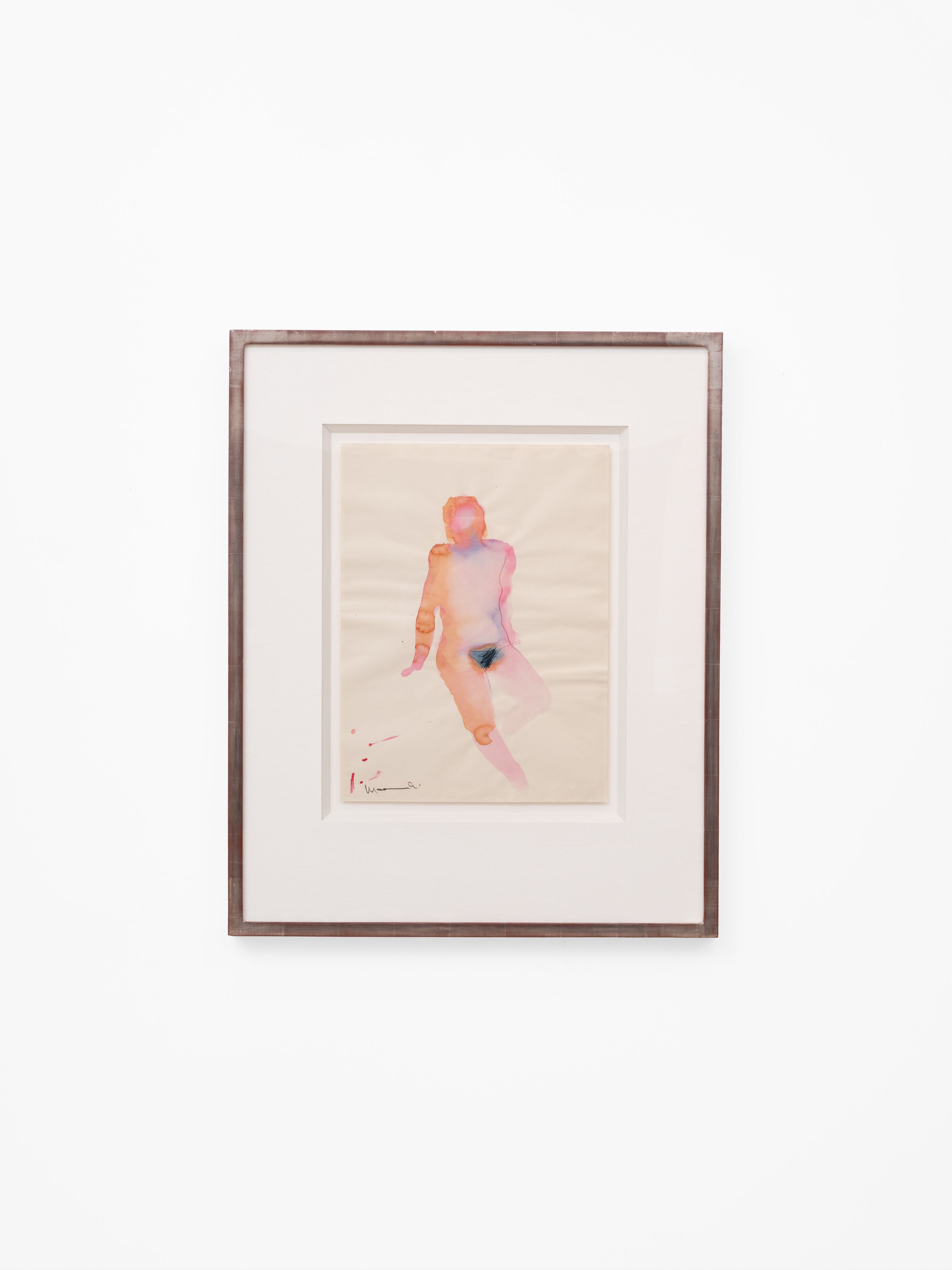
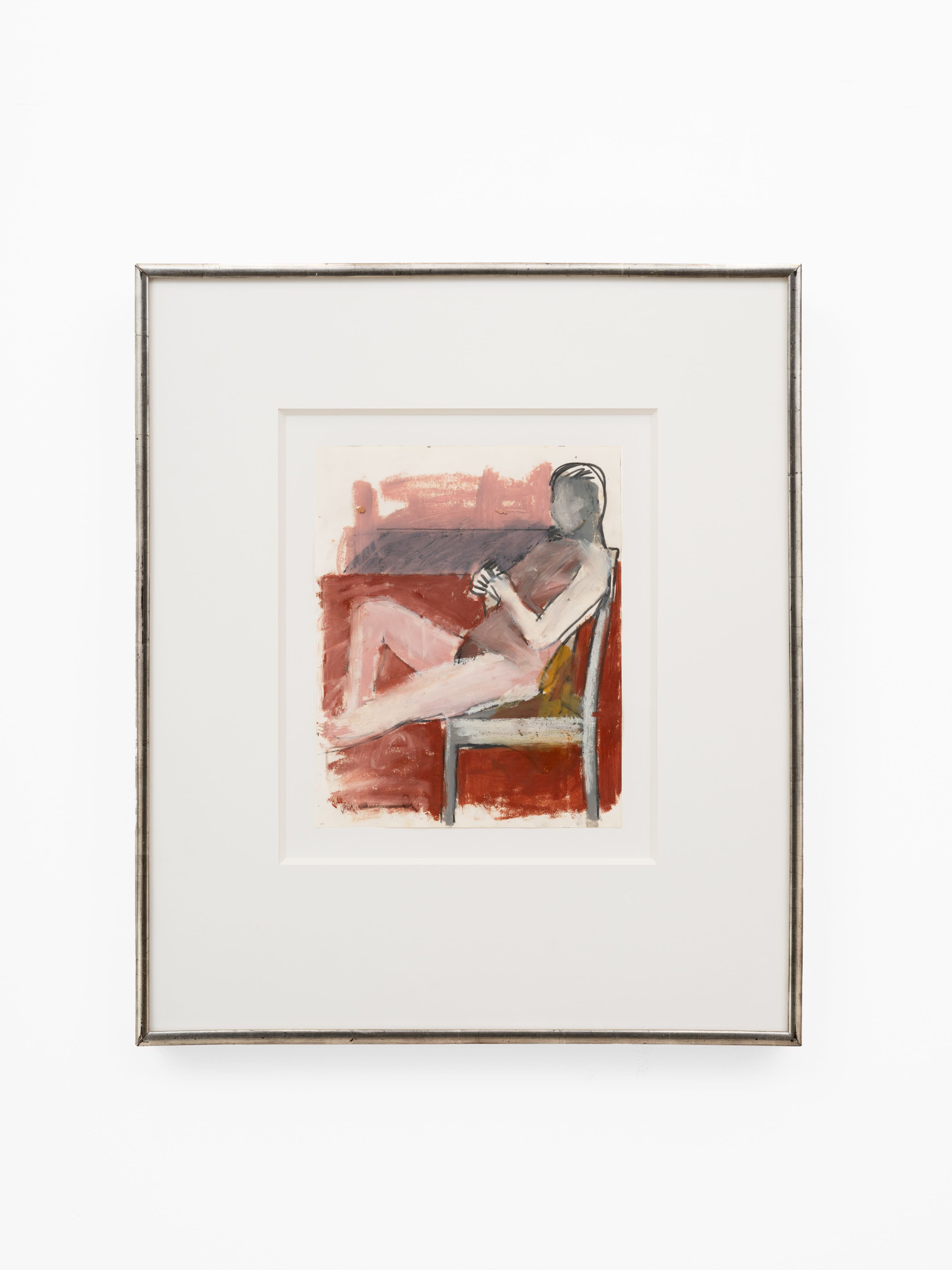
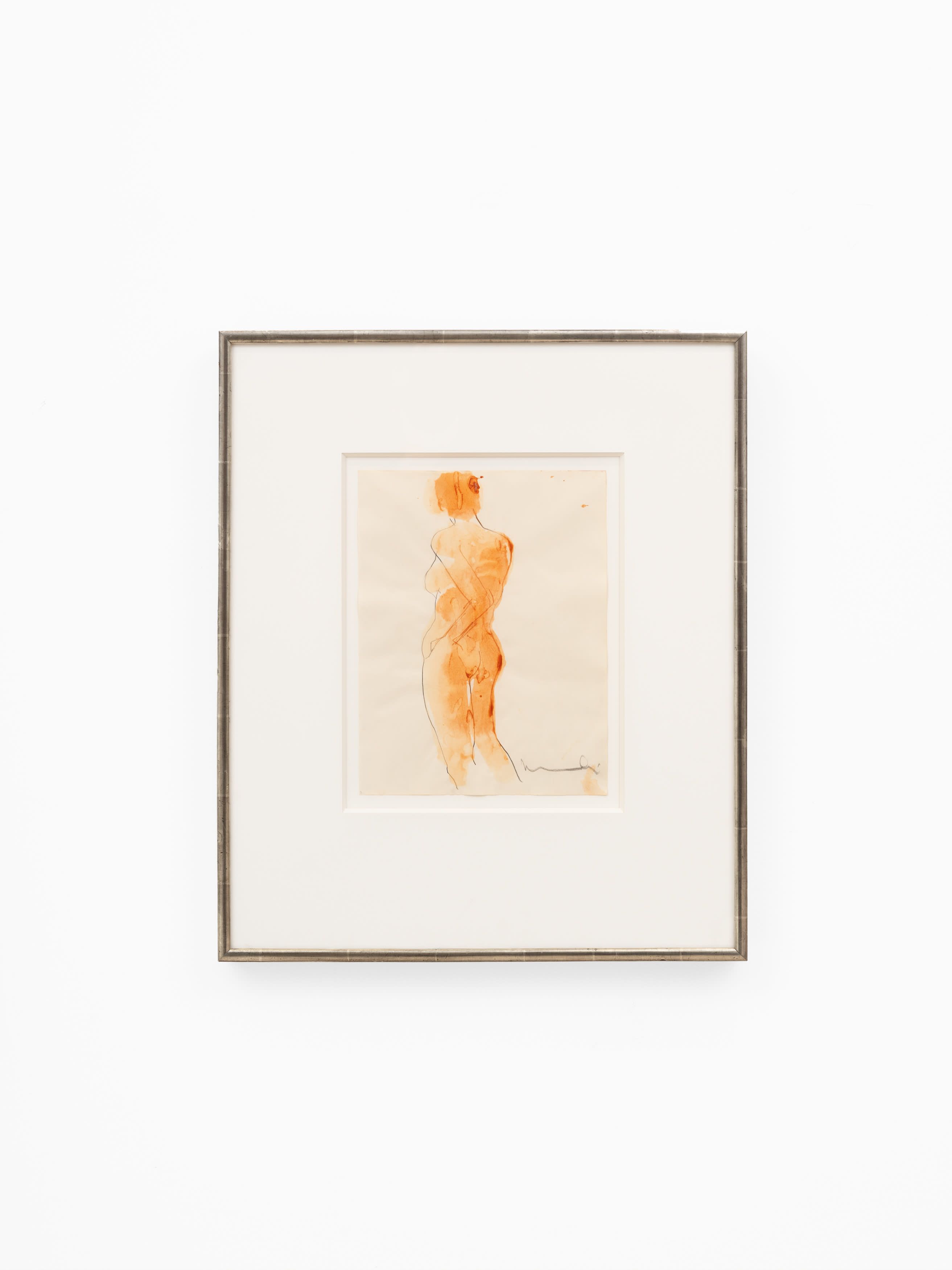
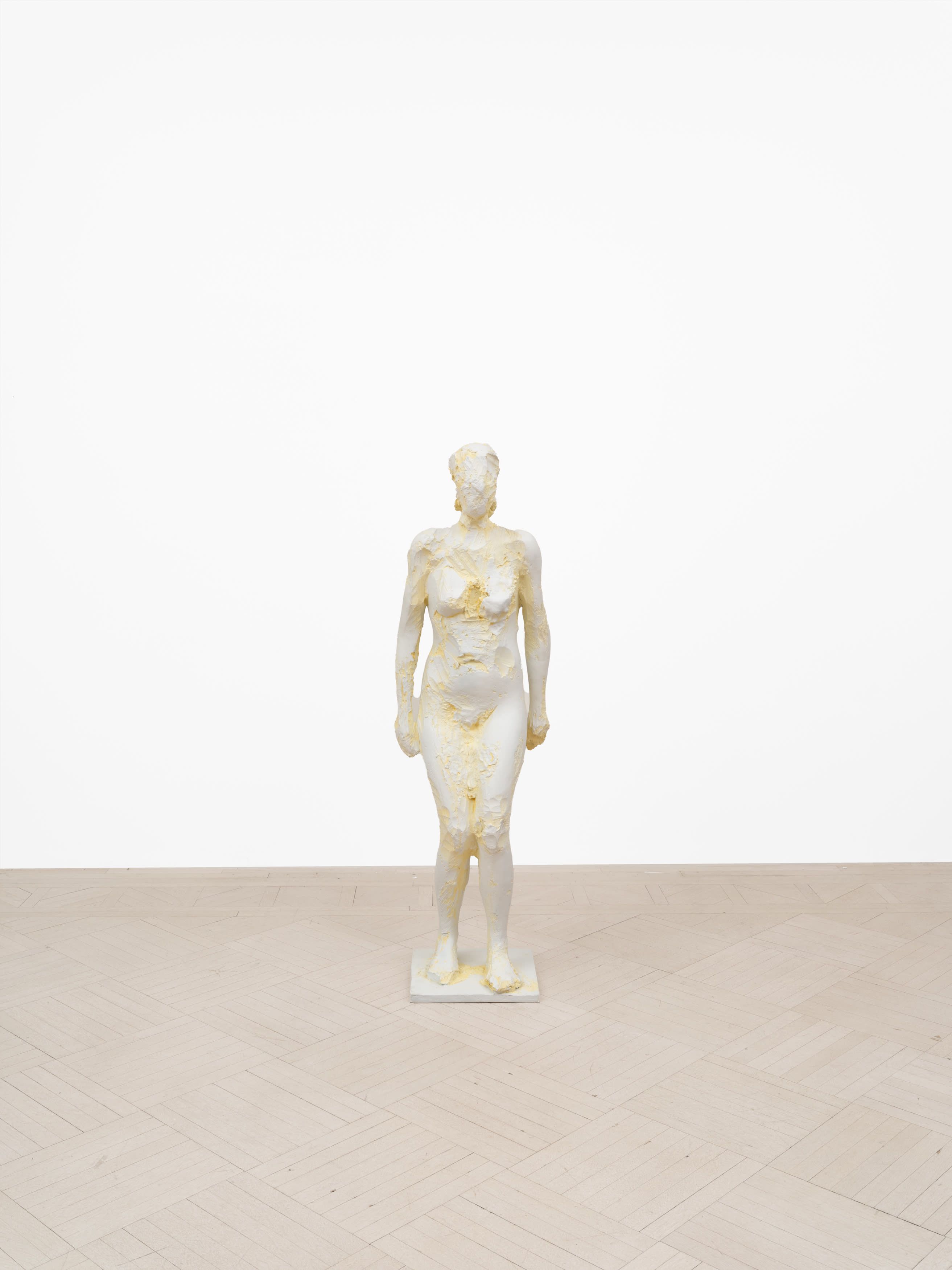
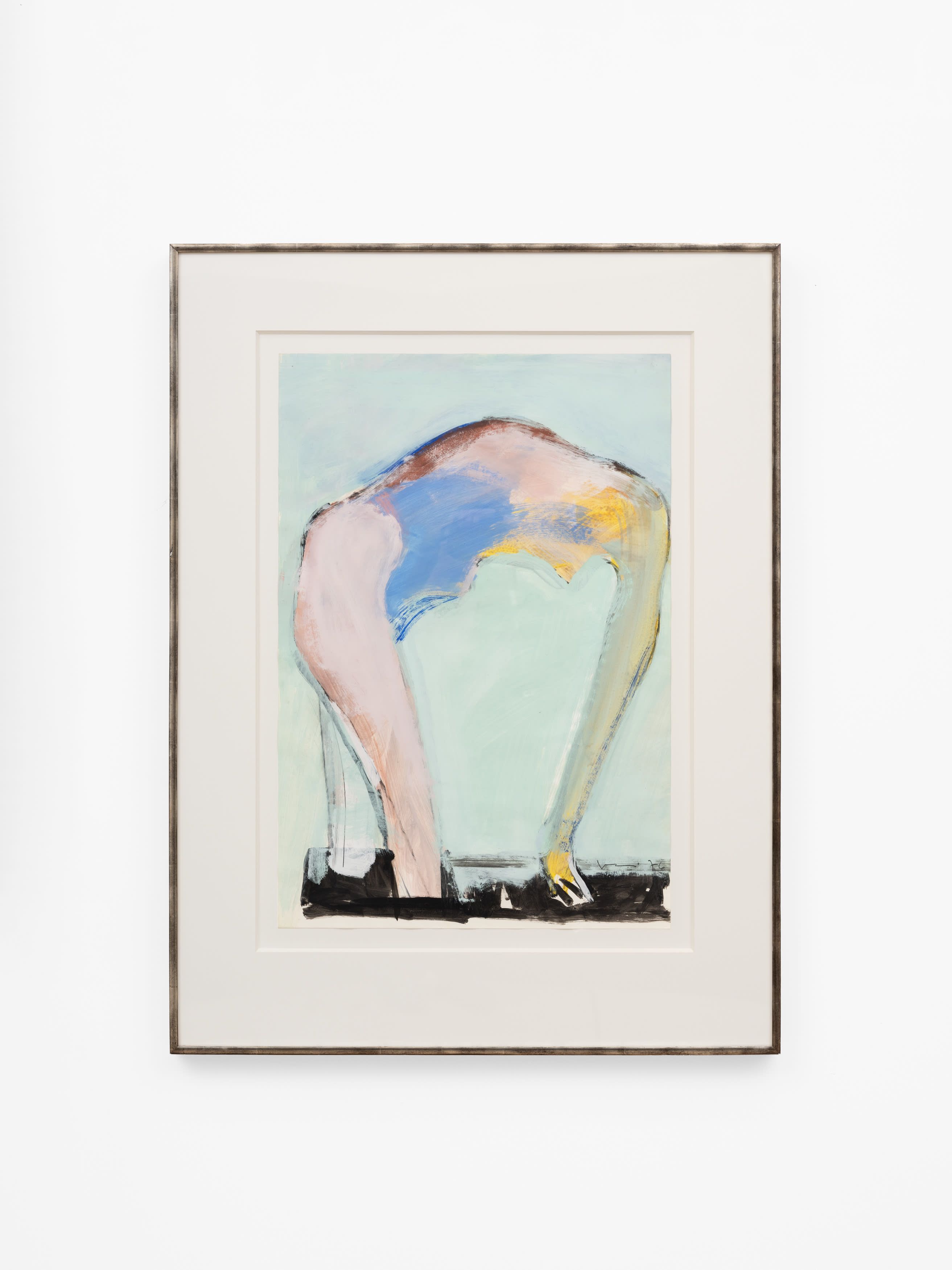
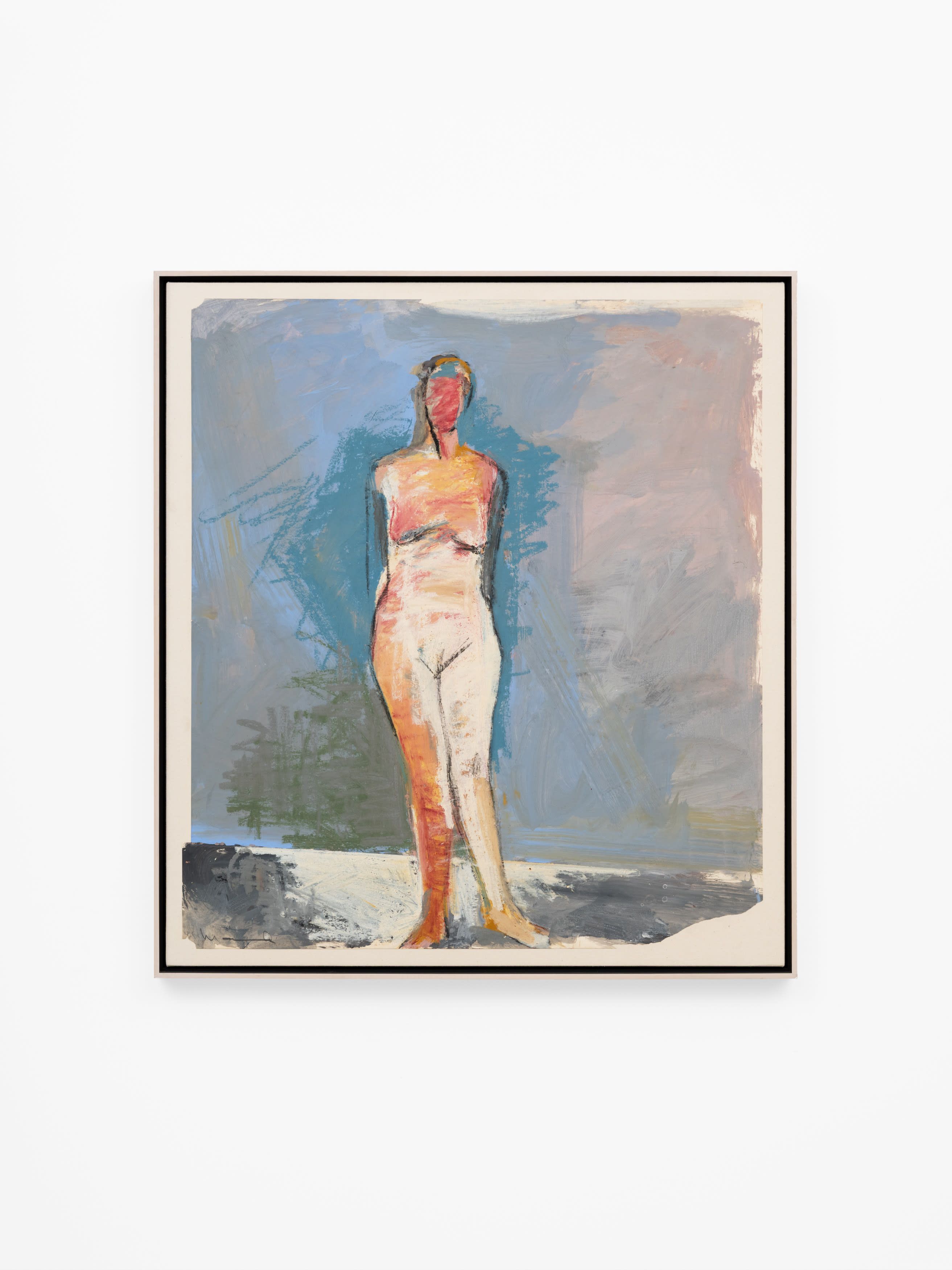
The plaster works from the 1970s are the most immediate: material added to armatures, then carved back to reveal form, eventually constituting life-sized figures. Among the works on view are sculptures from his Mary Julia series, a collaboration spanning over twenty years that became central to Neri's practice. A poet, artist, and model for both Neri and Joan Brown, Mary Julia Klimenko was a fixture of the Bay Area art scene, her presence woven through the work of artists from that period. The exhibition also includes a rare drawing of Joan Brown, Neri's second wife and artistic collaborator. Together these figures—Mary Julia, Joan Brown—formed the broader constellation of artists, models, and makers who shaped the creative landscape of the Bay Area from the 1960s through the 1980s. His bronzes, cast from plaster originals, retain every texture and mark, translating immediacy into permanence. Works on paper from the late 1950s reveal drawing as an autonomous practice—not preparatory studies but fully realized investigations of the figure, rendered in graphite, ink, and pigment with the same gestural force as his three-dimensional work. Across both galleries, bronze and plaster figures—crouching, sitting, stretching—are placed directly on the floor without pedestals, while drawings and paintings line the walls, evoking the sacred, cluttered intimacy of a working studio.
For Ruby Neri, the exhibition is a meditation on what a parent's work means when looked at not with critical distance but with the intimacy of shared history—and shared devotion to artistic practice. This exhibition becomes not only a tribute to an artist and father but an acknowledgment of lineage: the energy, the dedication to making, the belief that creativity itself is a life force passed from one generation to the next.
Manuel Neri (b. 1930, Sanger, CA; d. 2021, Sacramento, CA) was an American sculptor whose work reimagined the expressive possibilities of the human figure in postwar art. Born to Mexican immigrant parents, Neri studied at San Francisco City College, UC Berkeley, California College of Arts and Crafts, and California School of Fine Arts (now the San Francisco Art Institute), where he studied under Richard Diebenkorn, Elmer Bischoff, and Frank Lobdell. A founding member of the Six Gallery cooperative alongside Joan Brown, Bruce Conner, and Jay DeFeo, he helped organize the legendary 1955 reading where Allen Ginsberg first performed "Howl." Working primarily in plaster, bronze, and marble, Neri developed a sculptural language that fused classical figuration with raw gesture, surface abrasion, and an almost painterly use of color—approaching each work as a process of continual revision so that every figure bore visible traces of its making.
Neri's work has been exhibited internationally and is held in major collections including the Metropolitan Museum of Art, the Museum of Modern Art, the Whitney Museum of American Art, the Hirshhorn Museum and Sculpture Garden, the Art Institute of Chicago, and the San Francisco Museum of Modern Art. Major exhibitions include Manuel Neri: Assertion of the Figure at the Anderson Collection at Stanford University (2018) and Manuel Neri: The Human Figure in Plaster and on Paper at the Yale University Art Gallery (2019). His achievements were recognized with a Guggenheim Fellowship (1979), the International Sculpture Center's Lifetime Achievement Award (2006), and the Bay Area Treasure Award from SFMOMA (2008).
Ruby Neri (b. 1970, San Francisco) draws upon West Coast traditions and a global catalogue of art historical modes to depict the human body as a porous instrument of pleasure, terror, and everything in between. While studying at the San Francisco Art Institute, Neri—alongside Barry McGee, Margaret Kilgallen, and Alicia McCarthy—began experimenting with street art and graffiti under the pseudonym Reminisce. Over the last twenty years, she has been one of the leading figures in the contemporary return to ceramics, creating ambitious large-scale works that pulsate with forceful femininity—vessels and figures rendered in vibrant glazes that link her practice to the street art of her youth. The women in her work are both fabulous and frantic, figures of multiplicity that acknowledge ambivalence, empowerment, and the intense energy of everyday living.
Recent solo exhibitions include Ruby Neri: Taking the Deep Dive, Manetti Shrem Museum of Art, UC Davis (2025); Ruby Neri, Paintings, Salon 94, New York (2024); and The Flags of Our Mothers, Aldrich Contemporary Art Museum, Ridgefield, CT (2023). Her work is in the permanent collections of The Museum of Contemporary Art, Los Angeles; Brooklyn Museum; de Young Museum; Hammer Museum; Crystal Bridges Museum of American Art; and the Detroit Institute of Arts.
Press
Galerie Magazine