Shoko Suzuki
Installation Views
Artwork
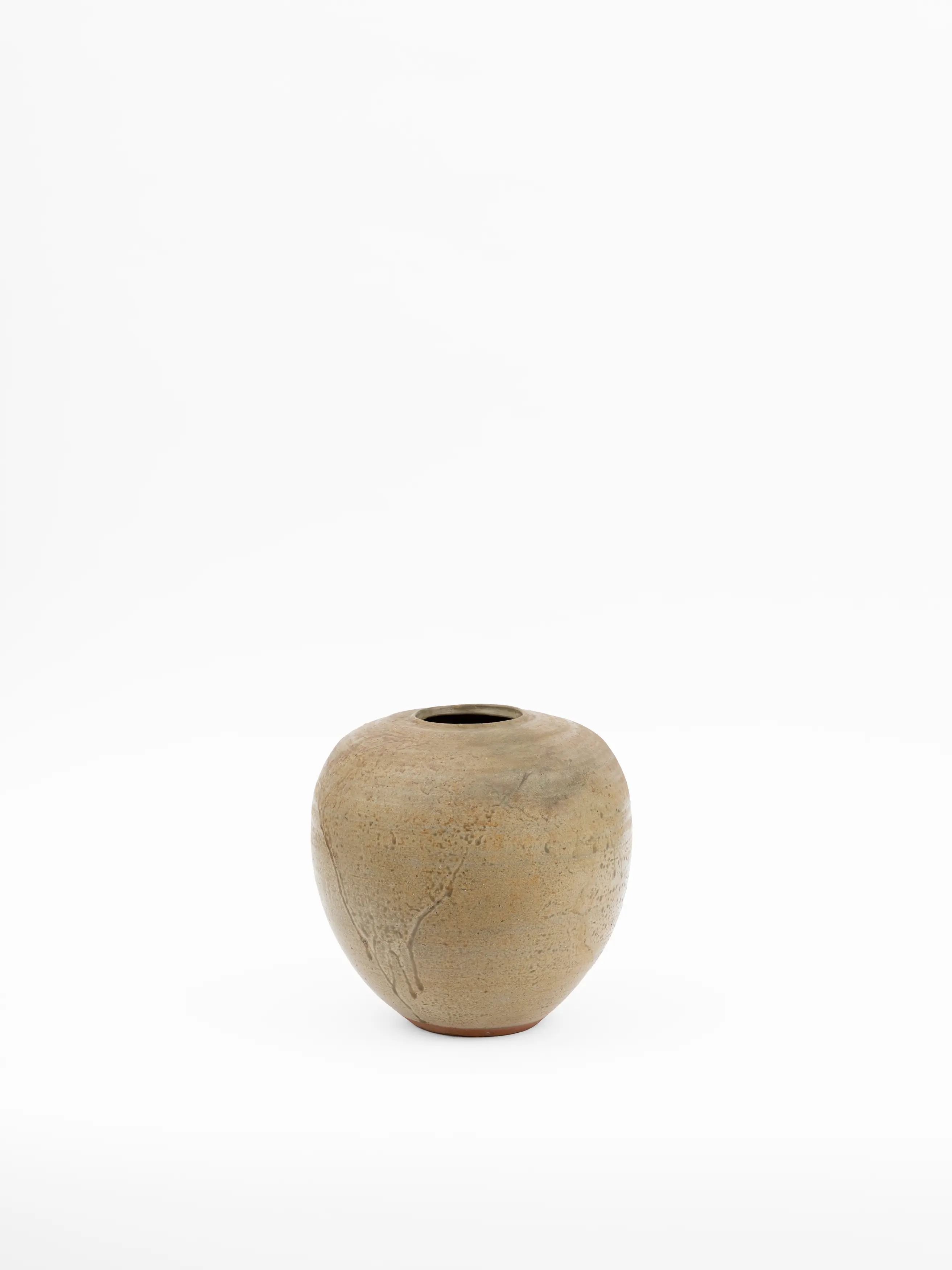
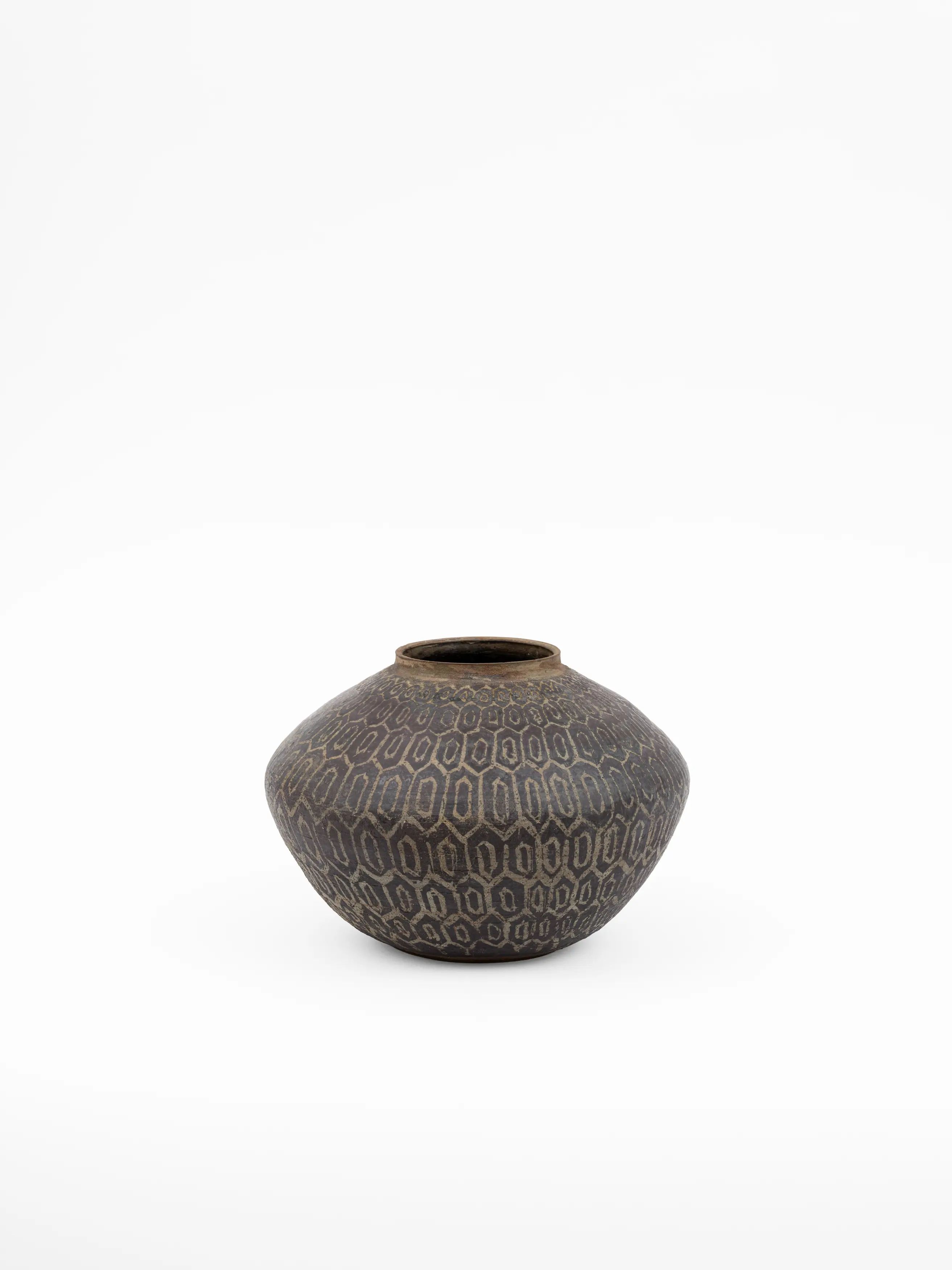
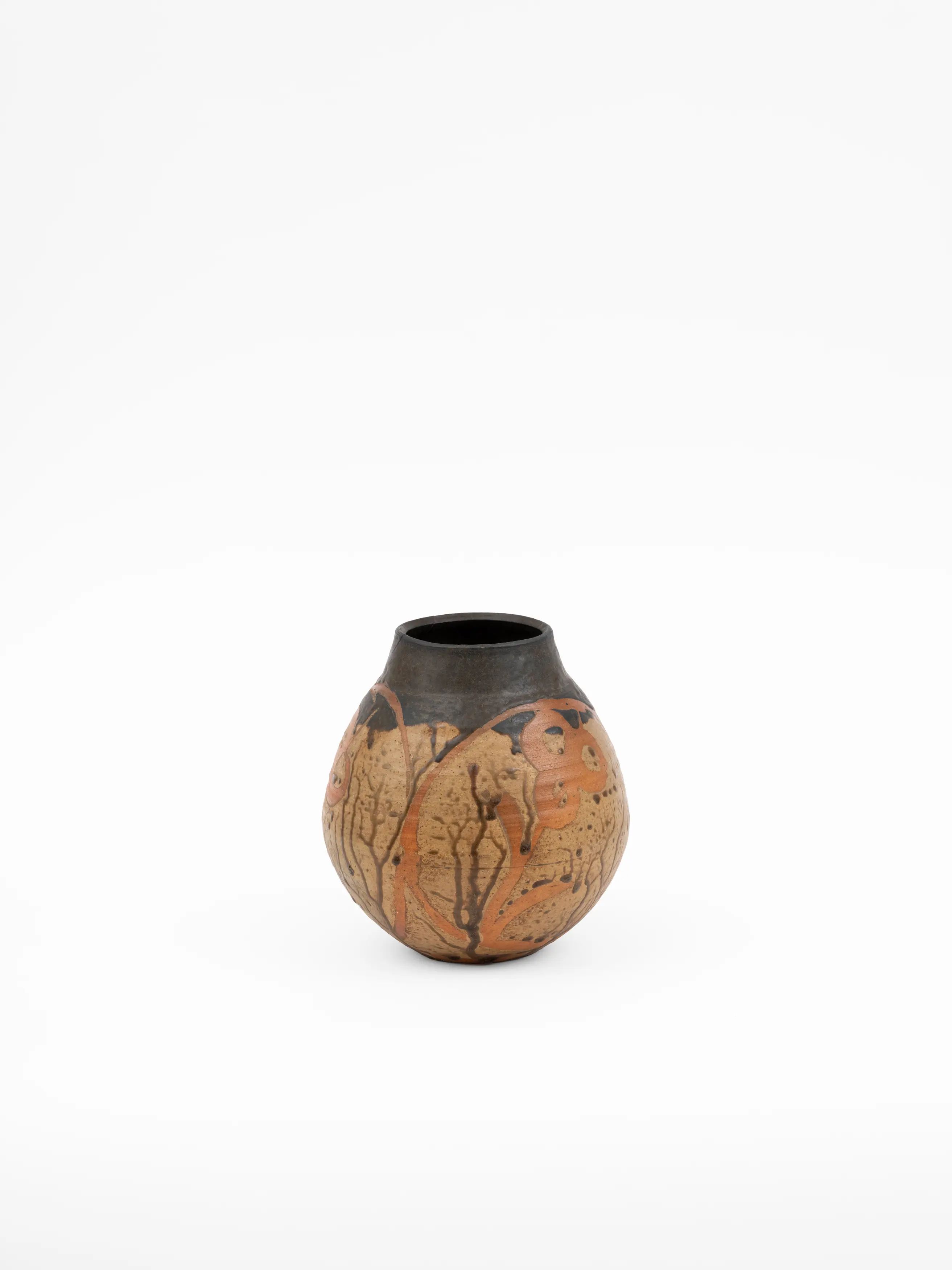
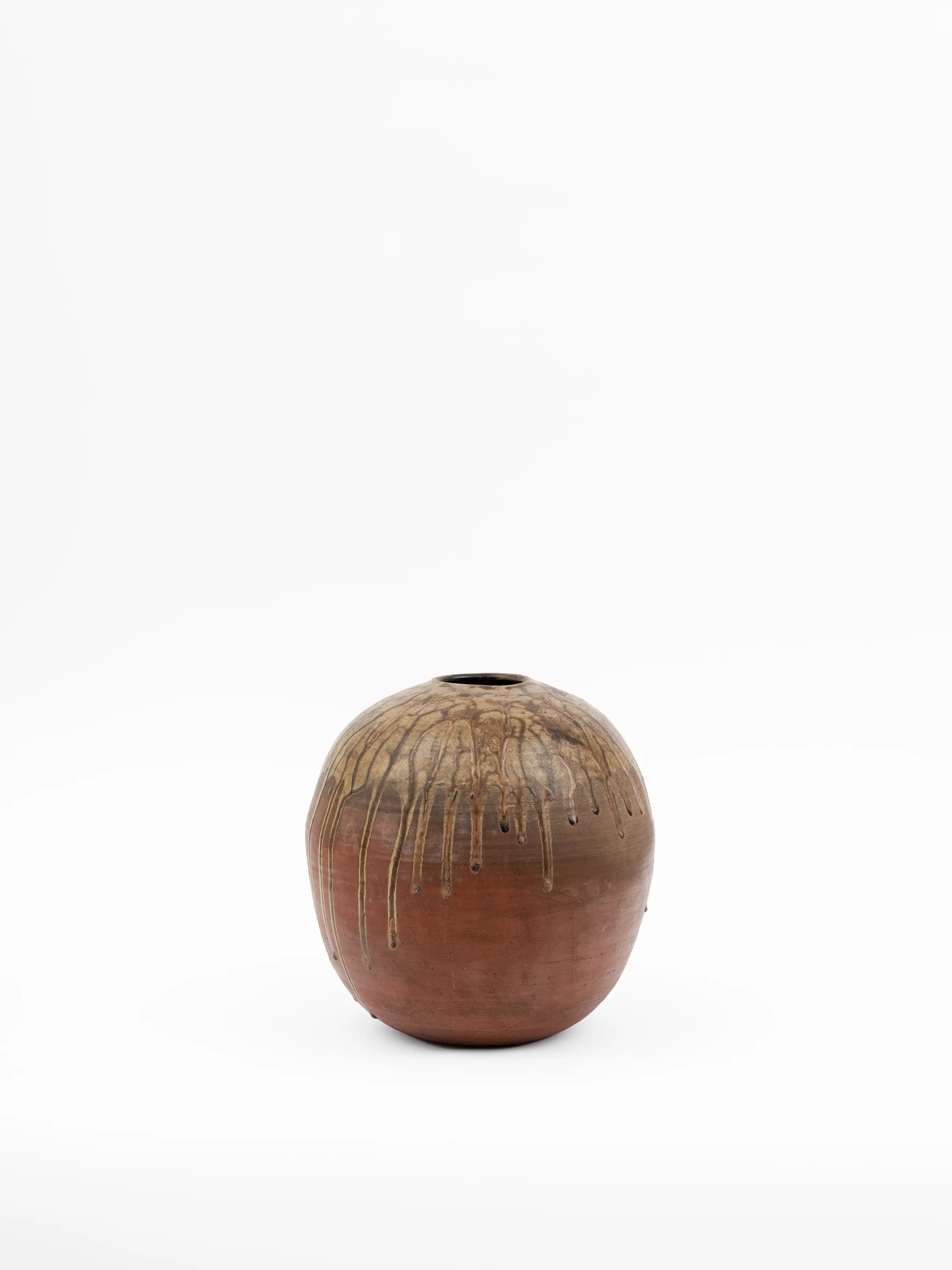
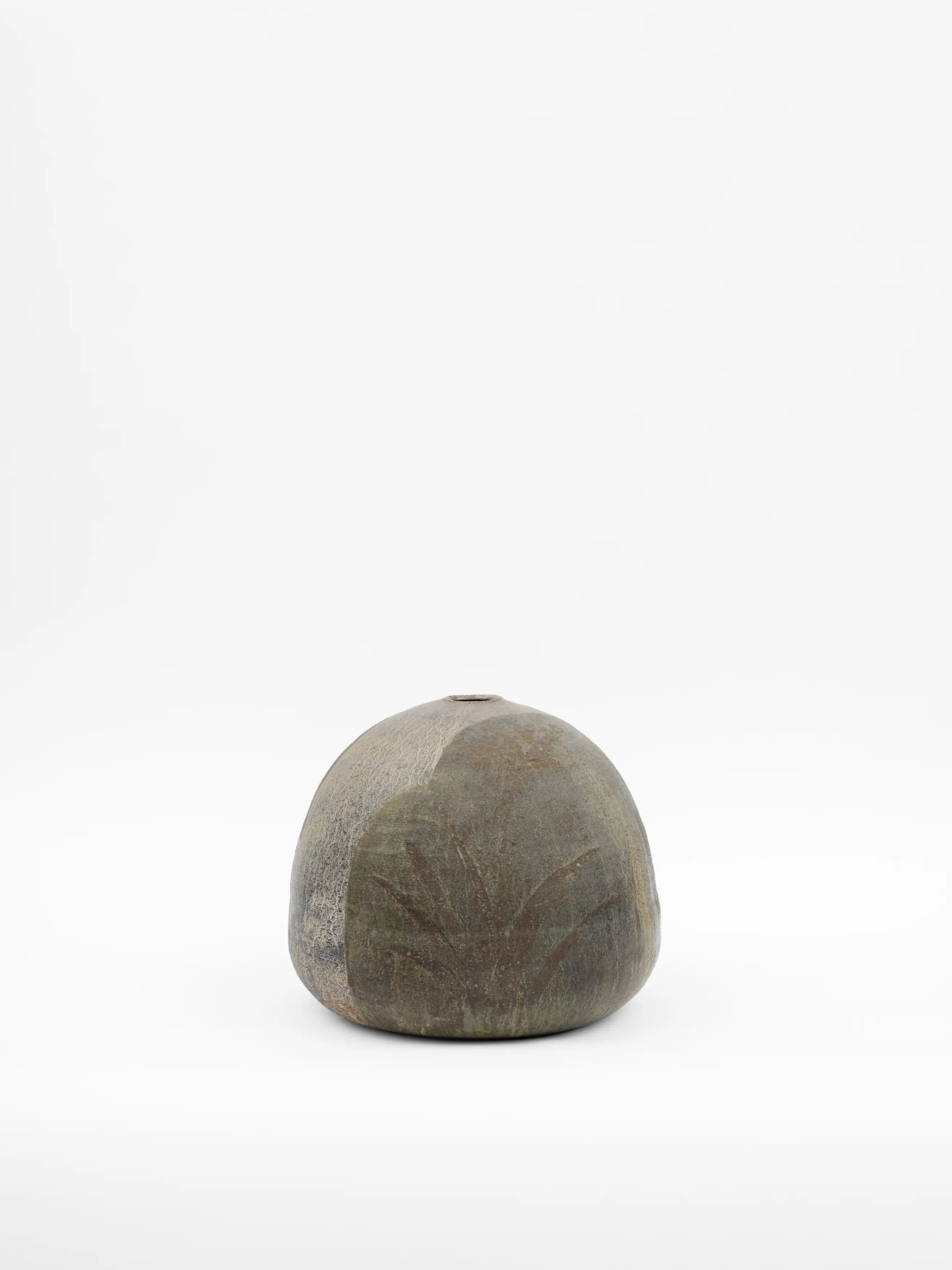
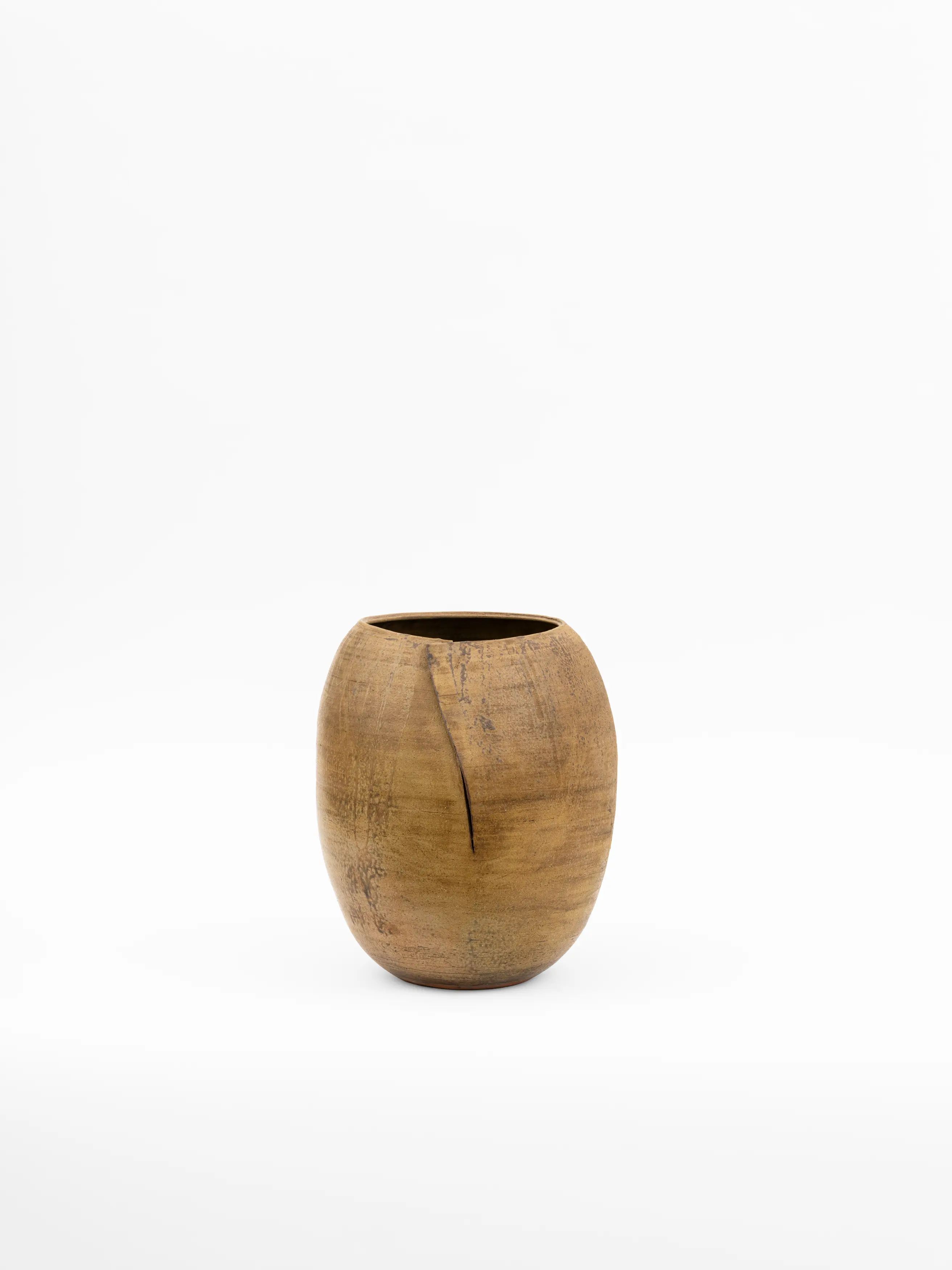
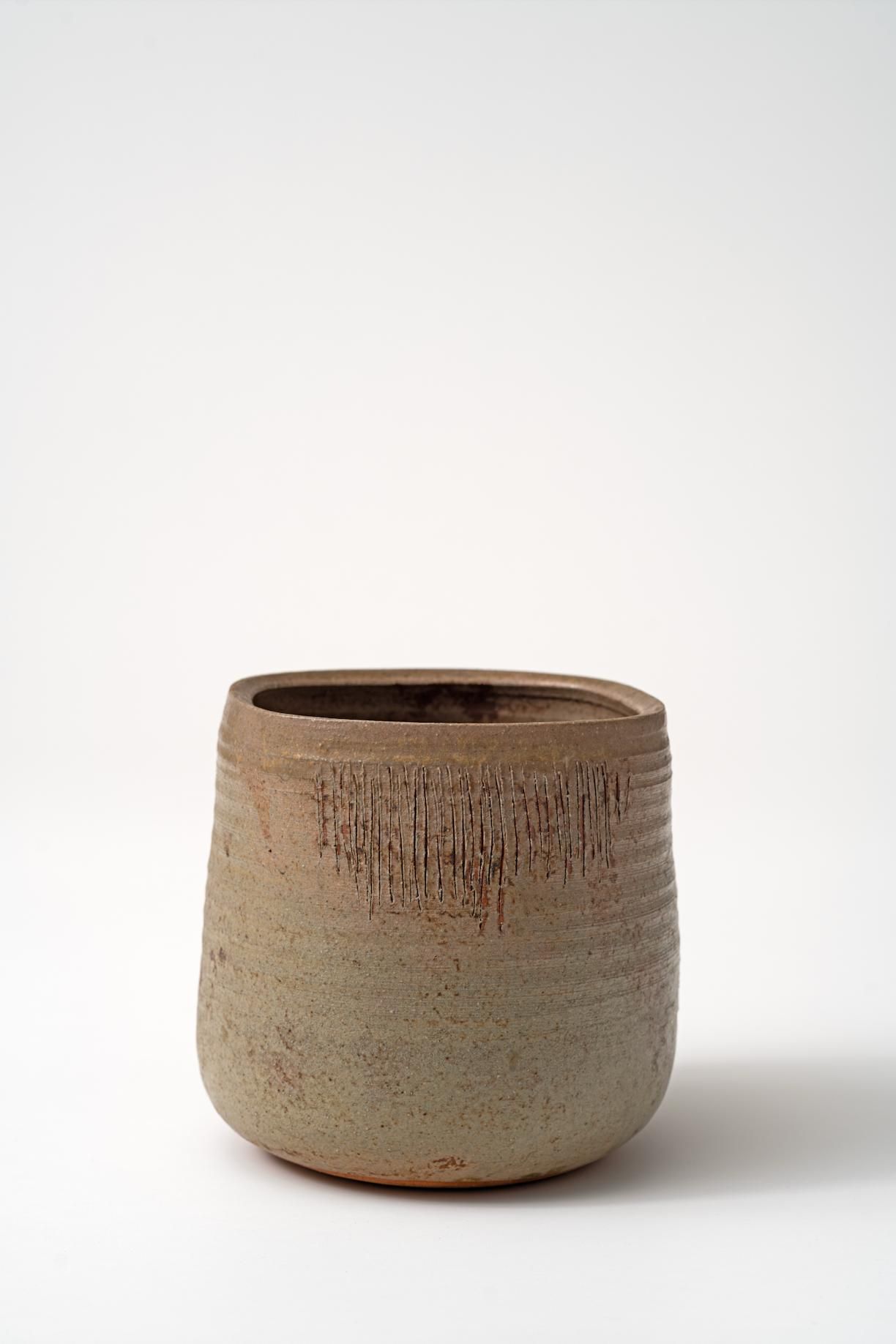
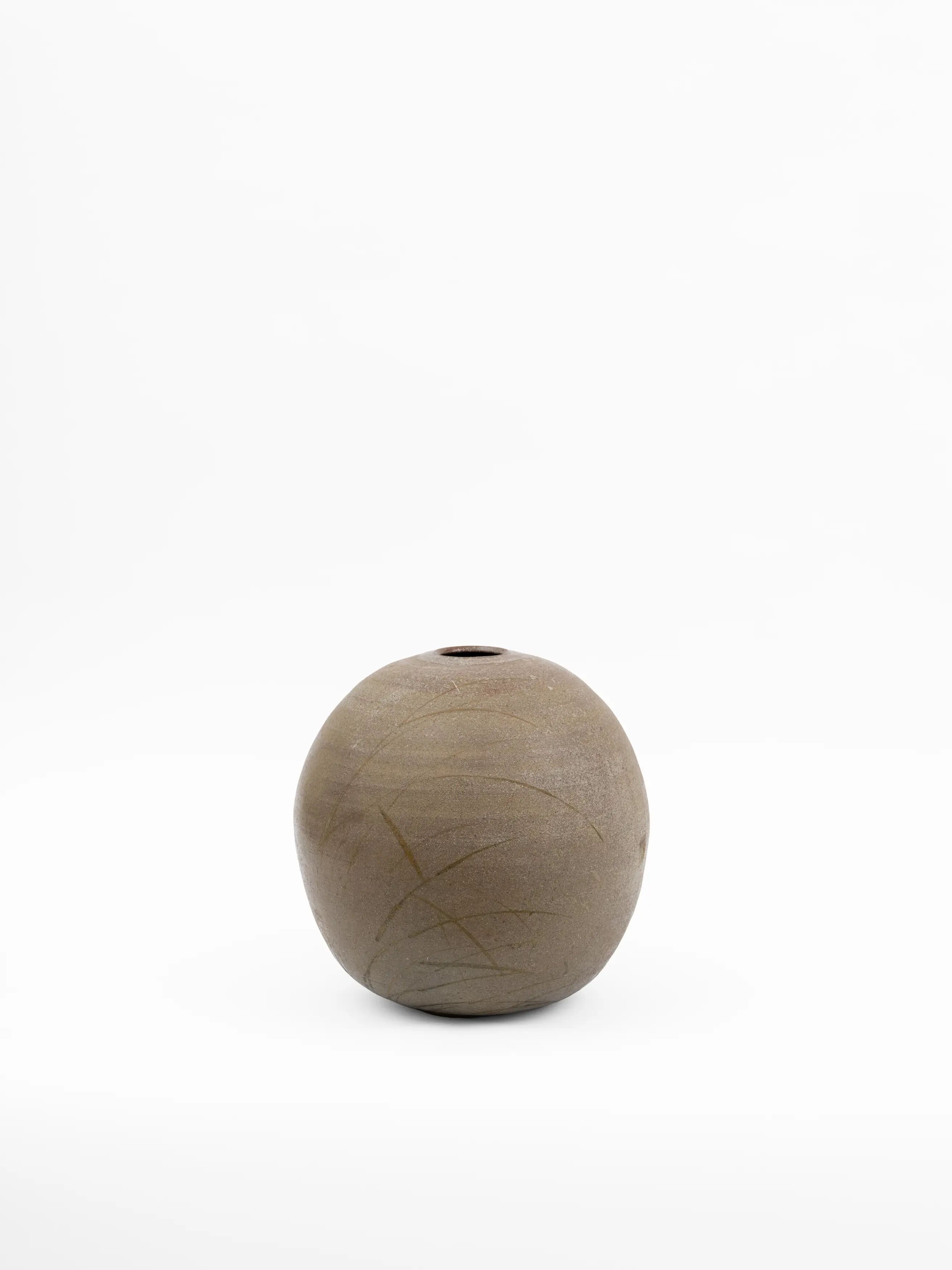
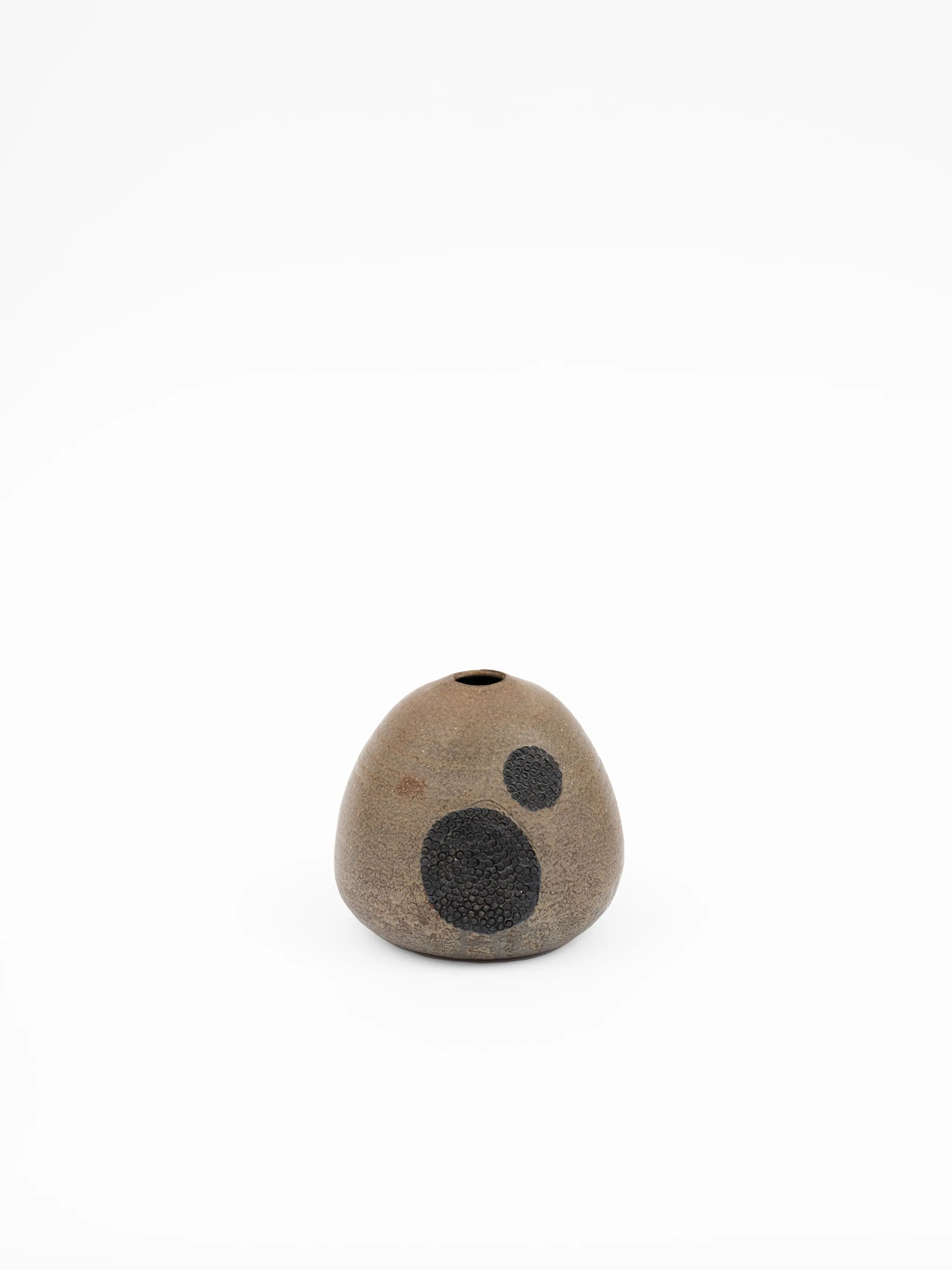
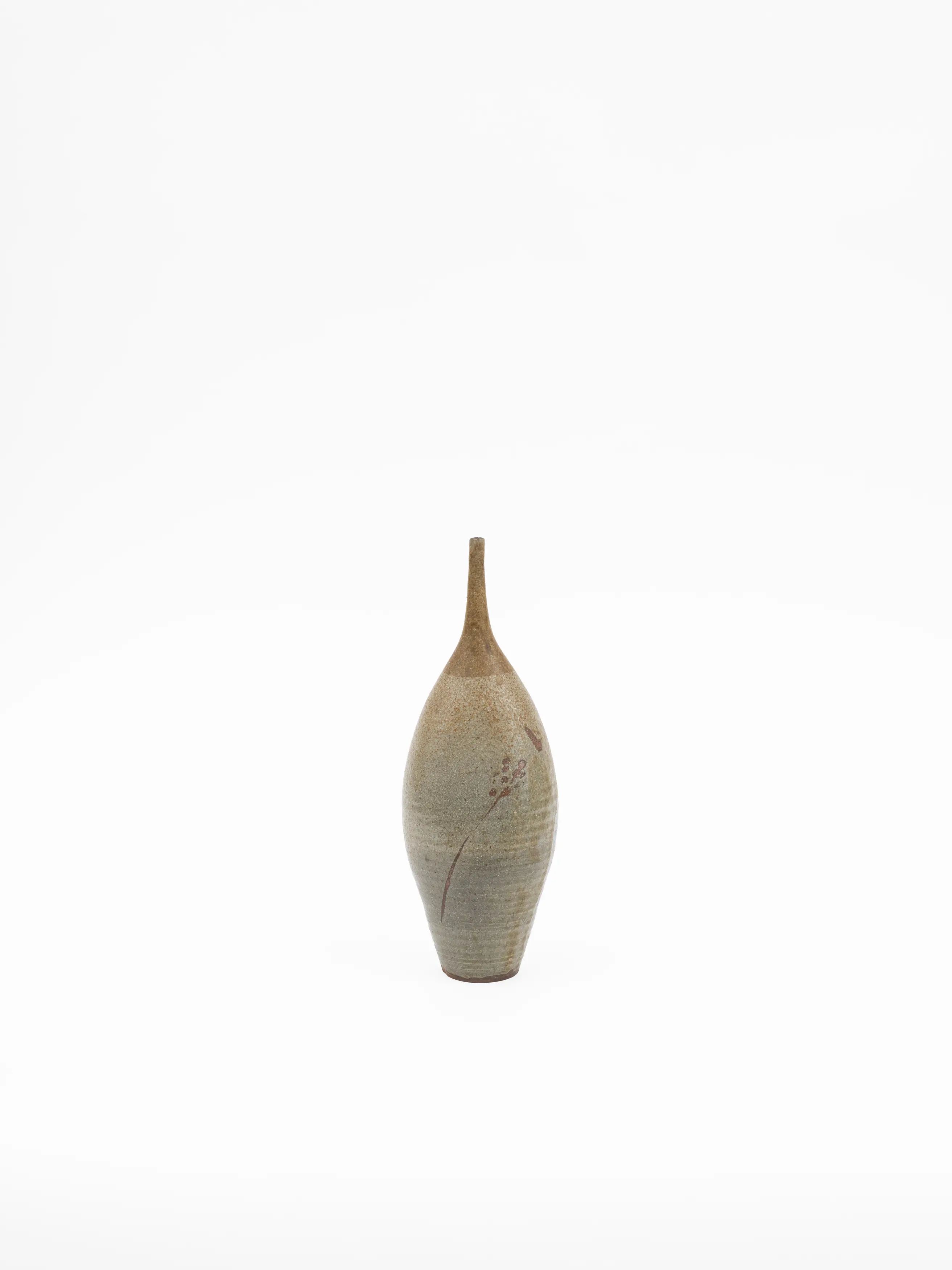
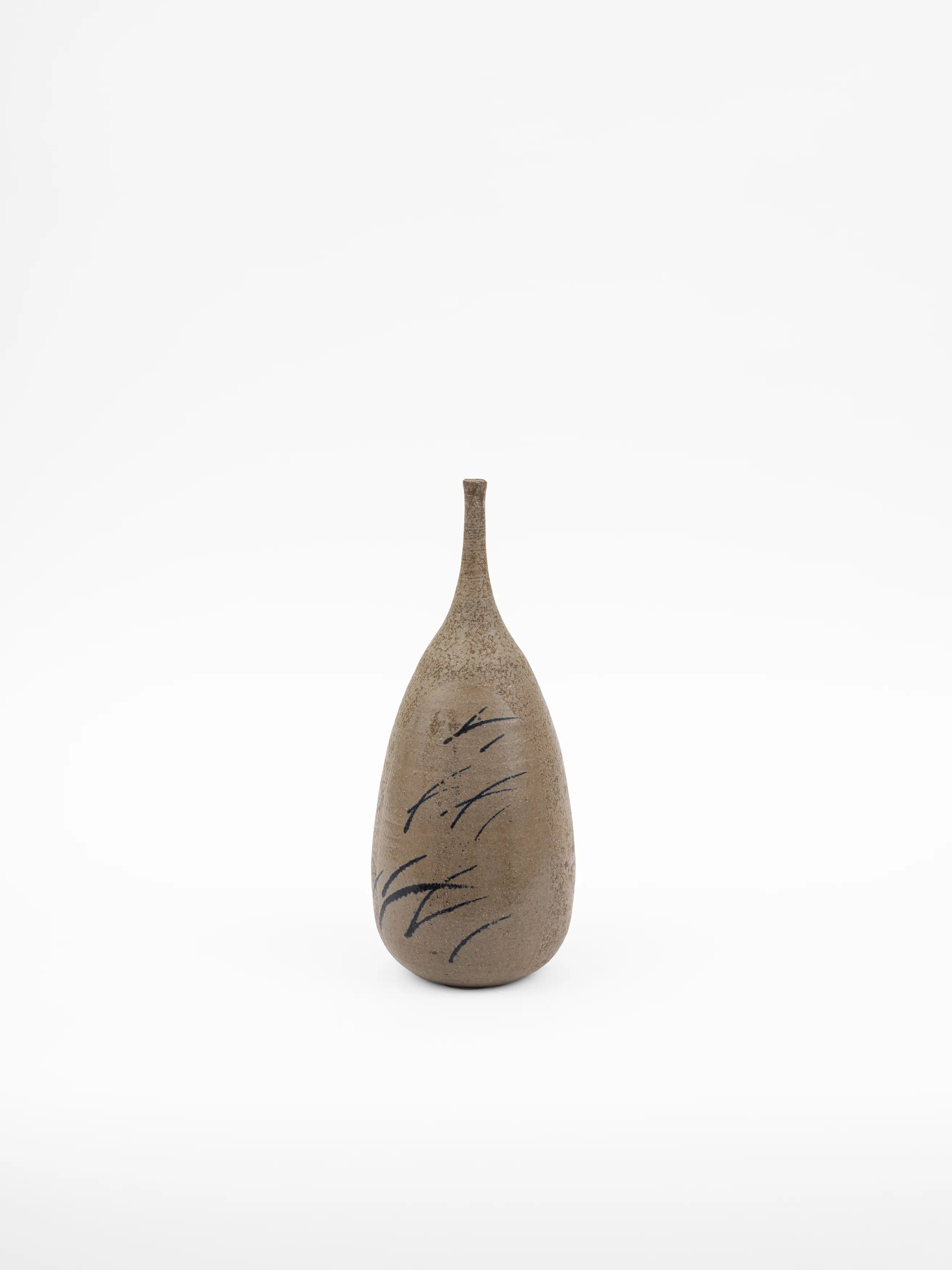
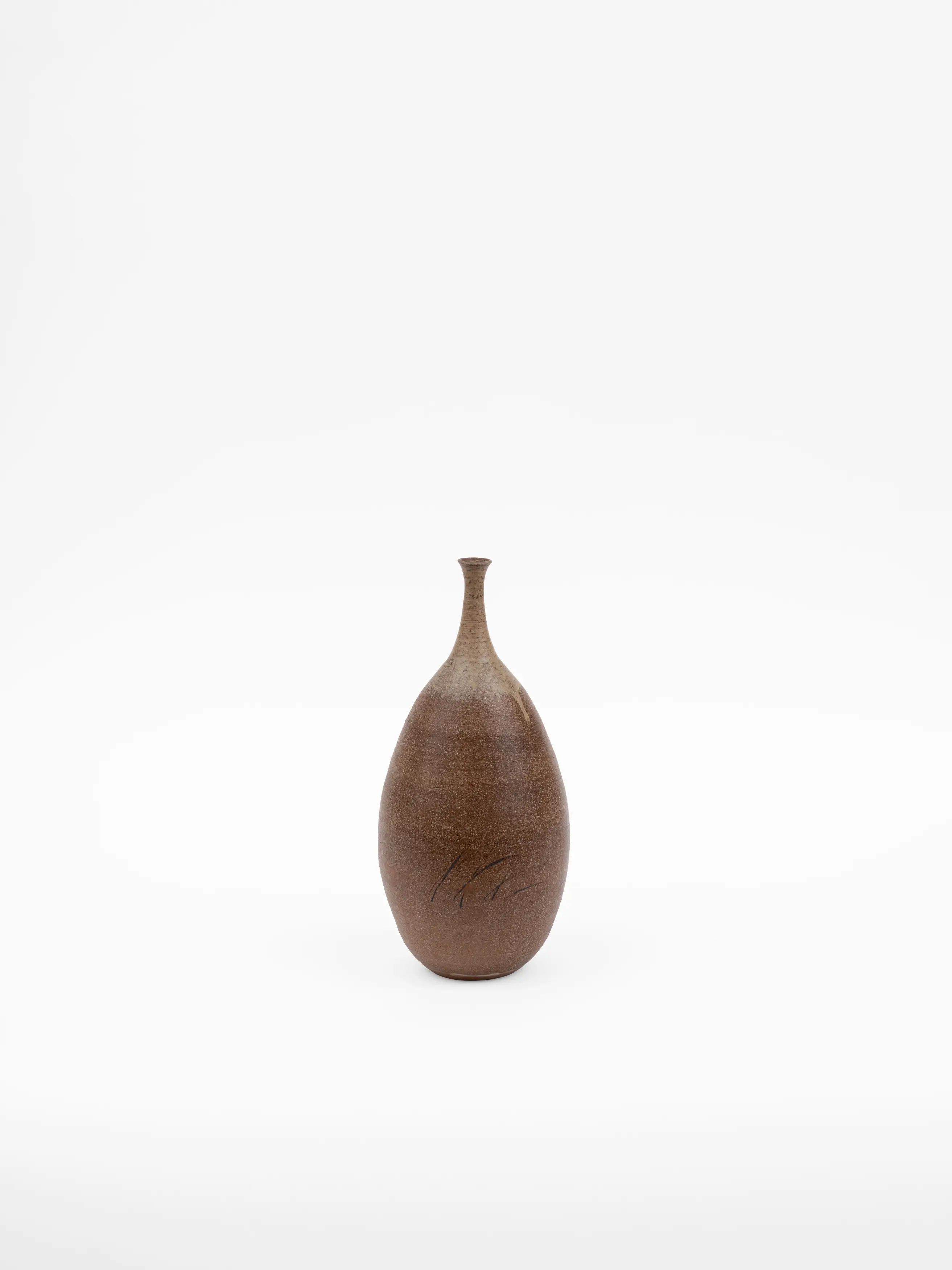
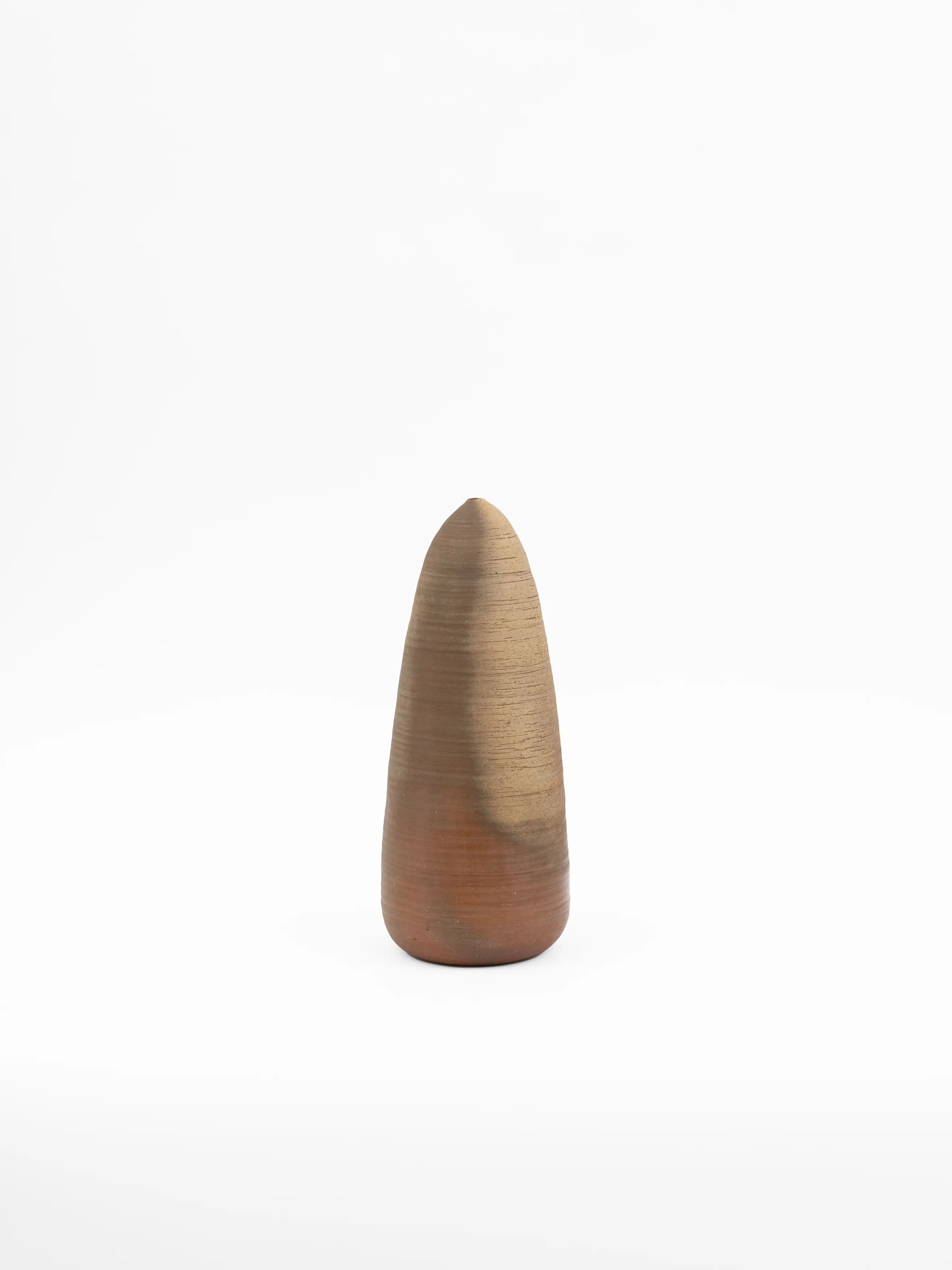
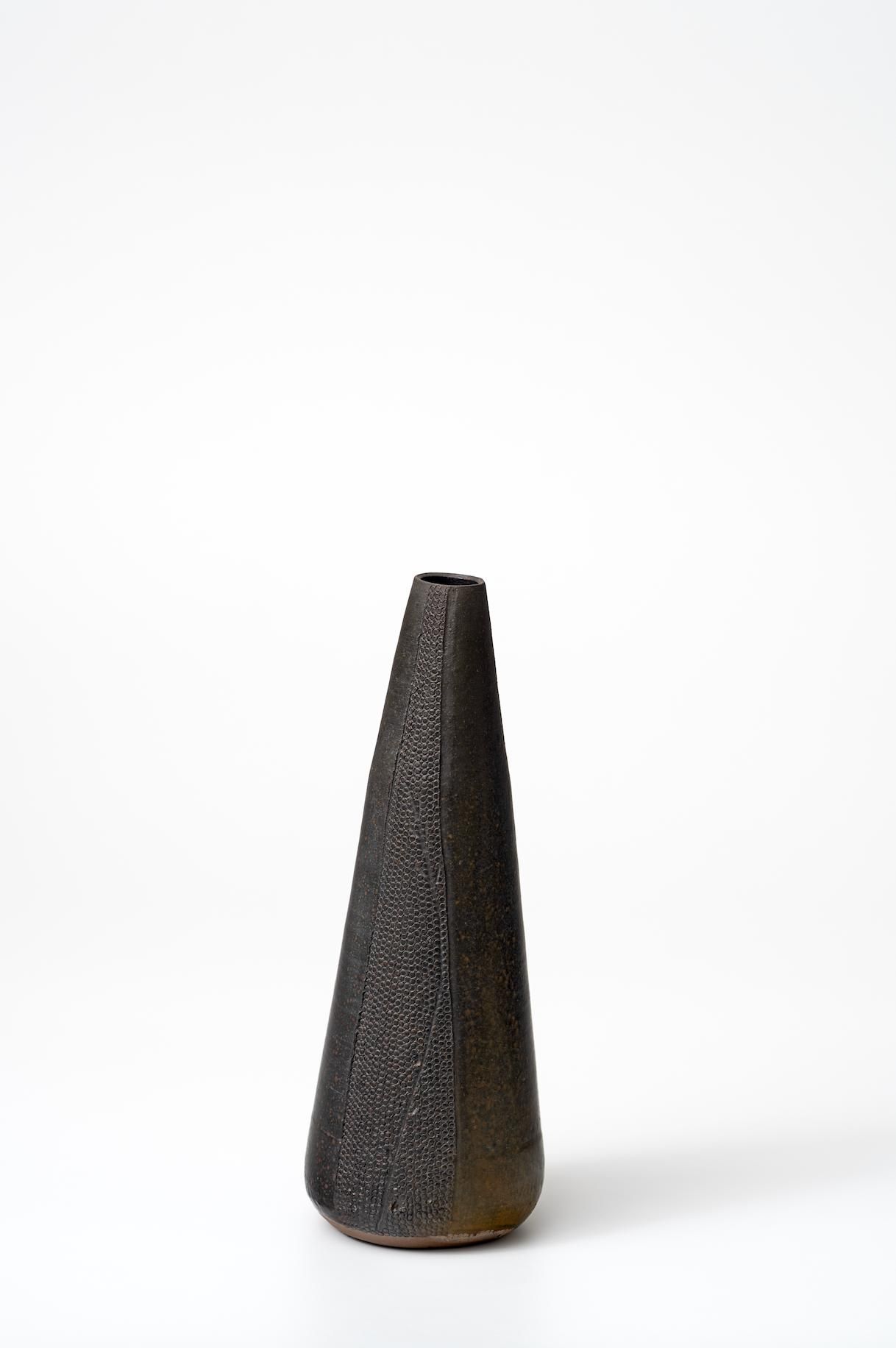
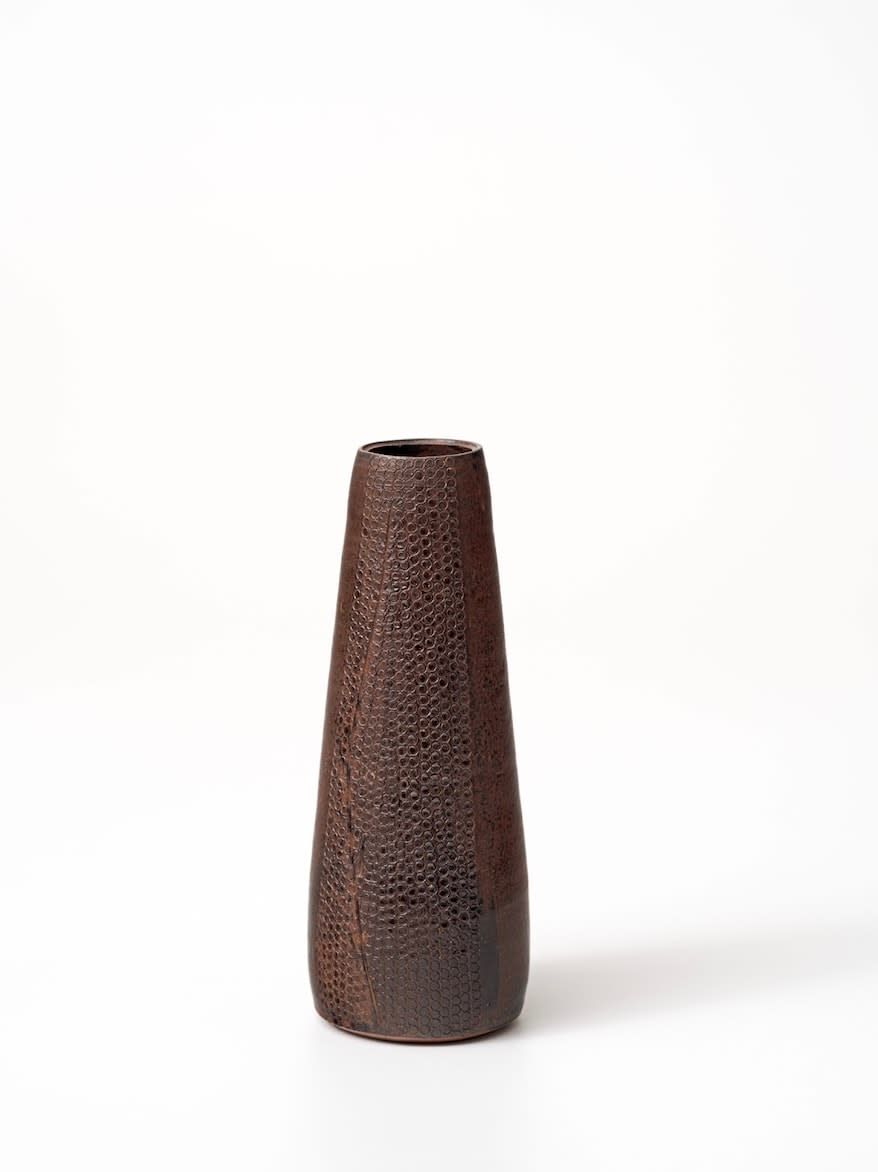
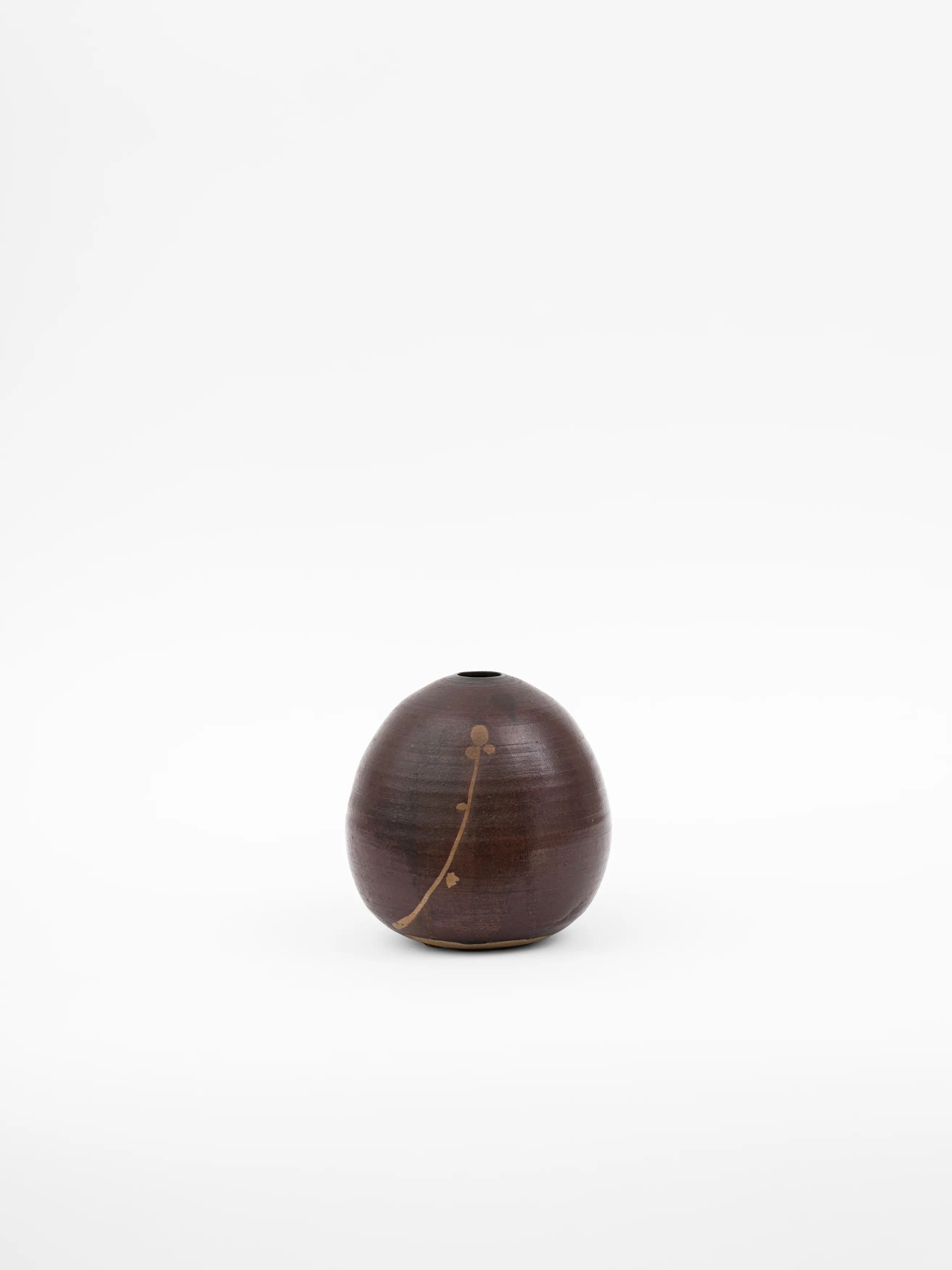
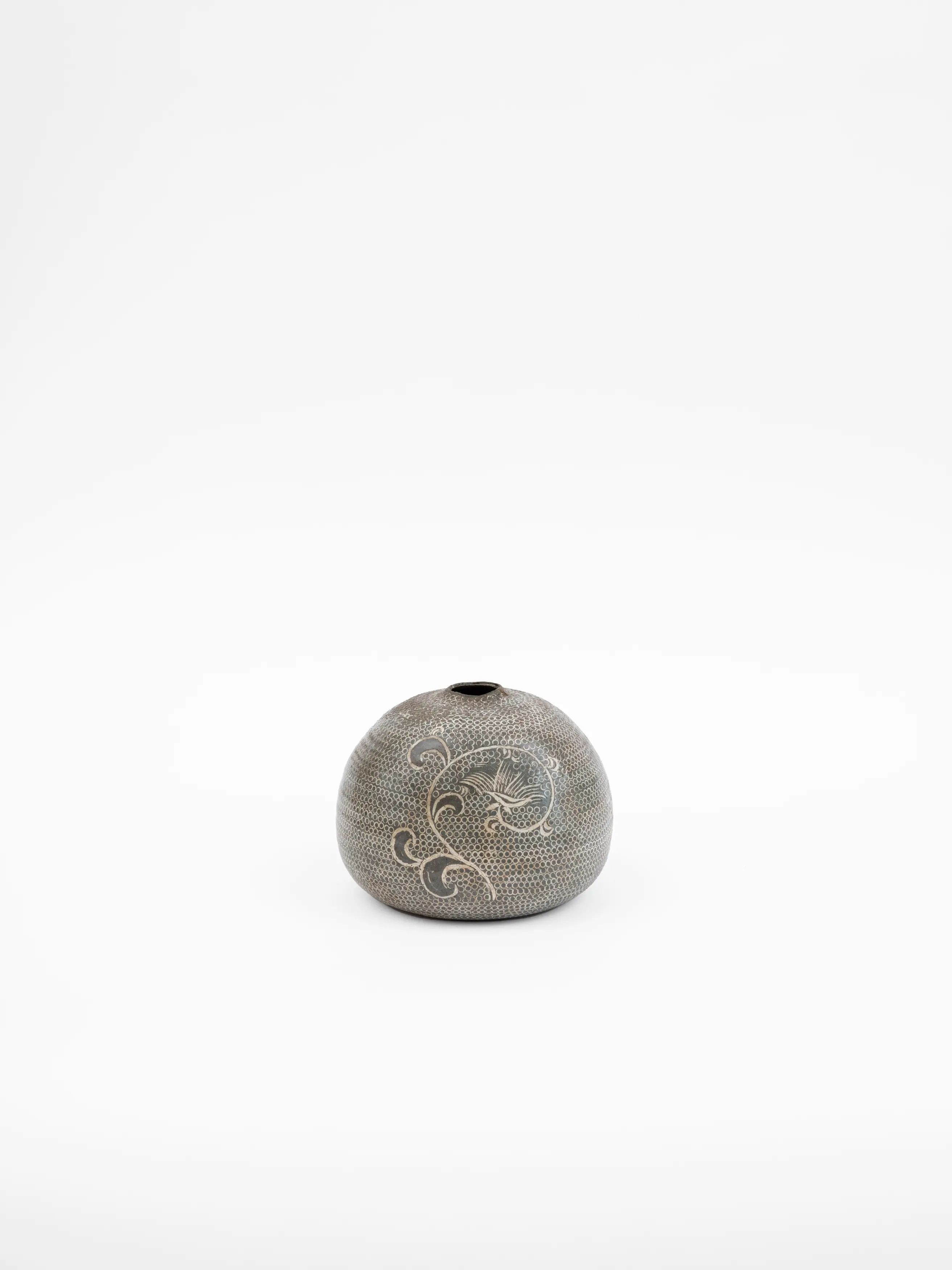
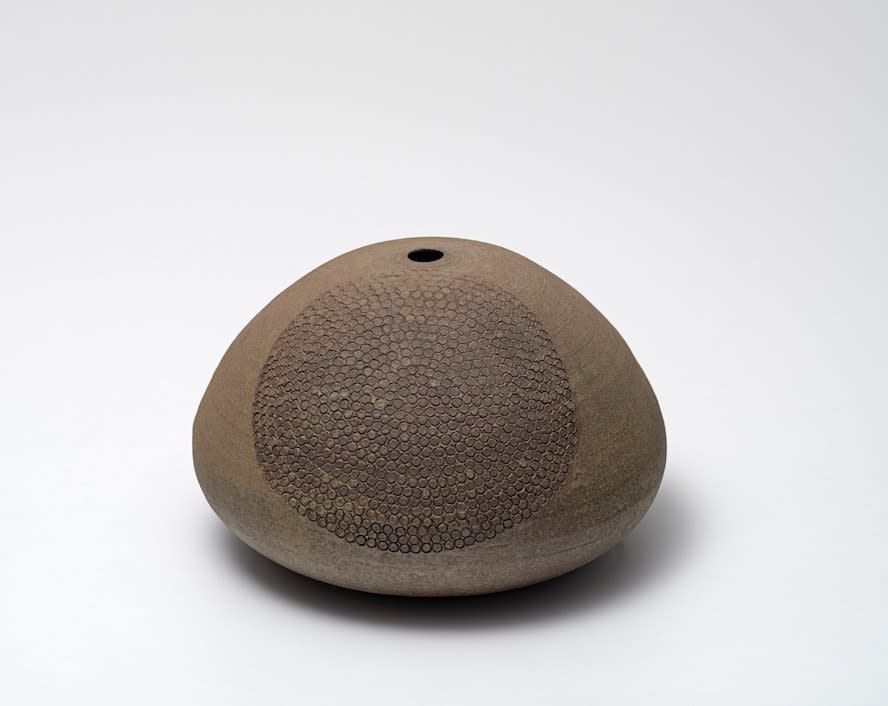
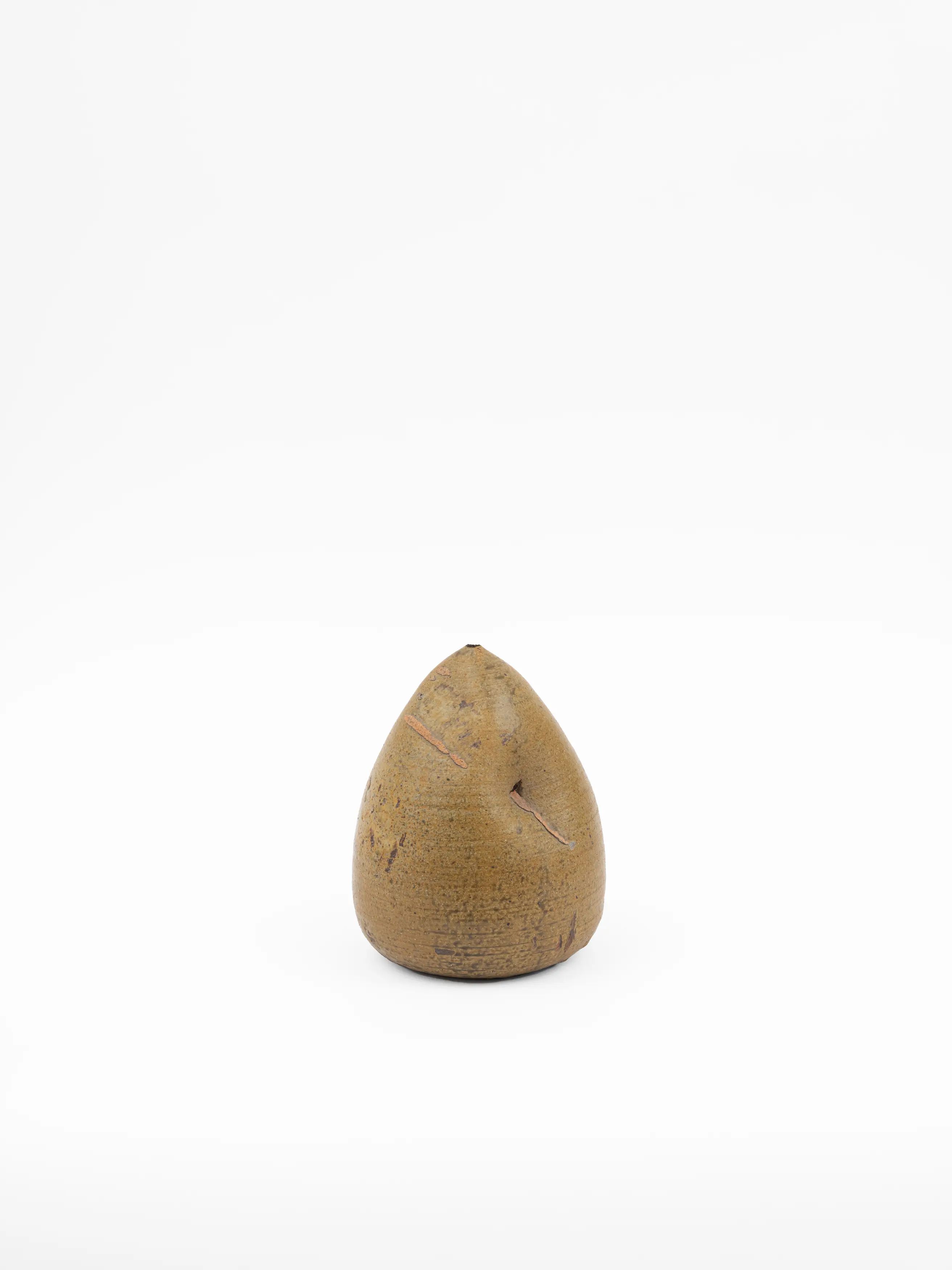
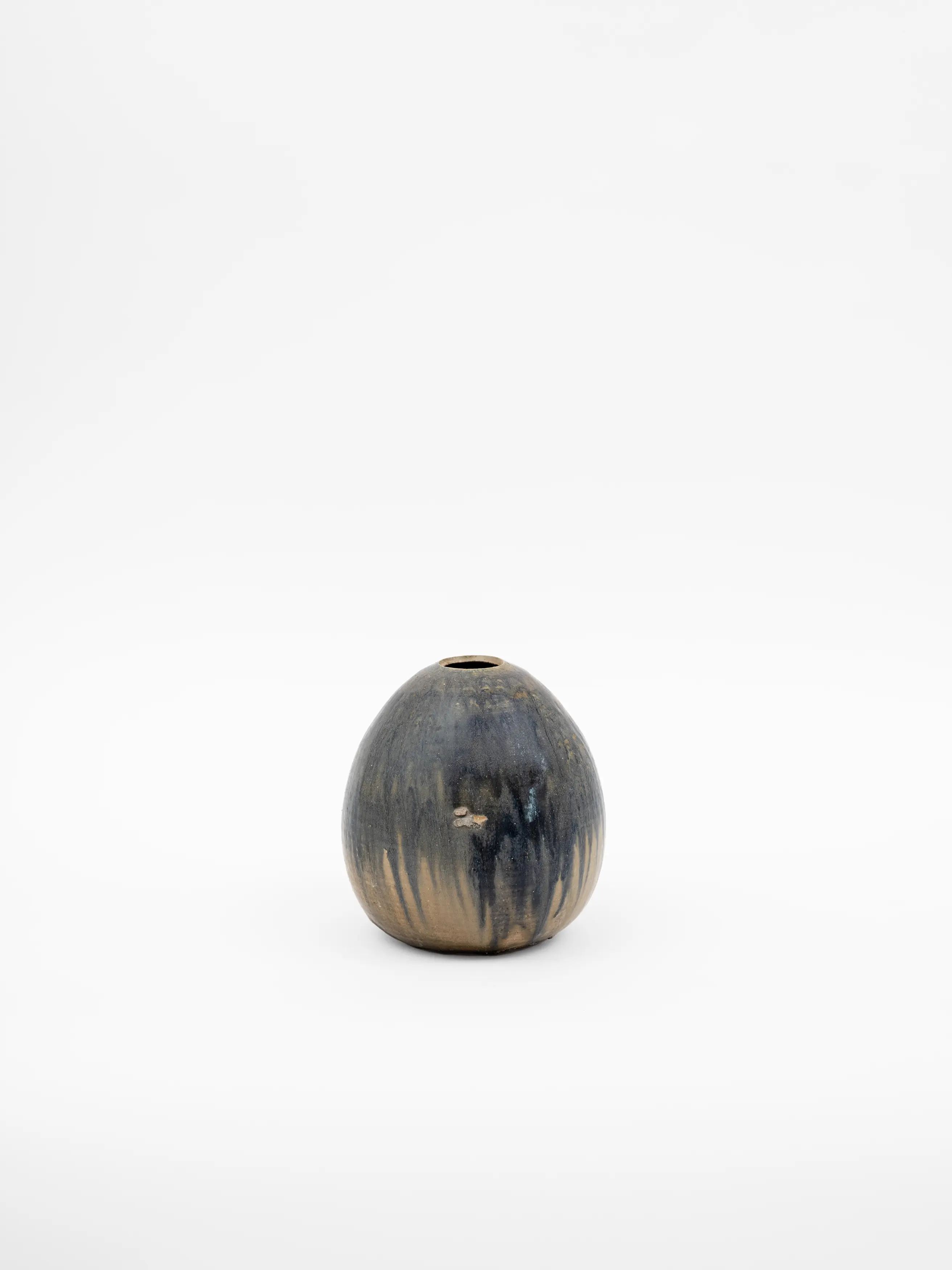
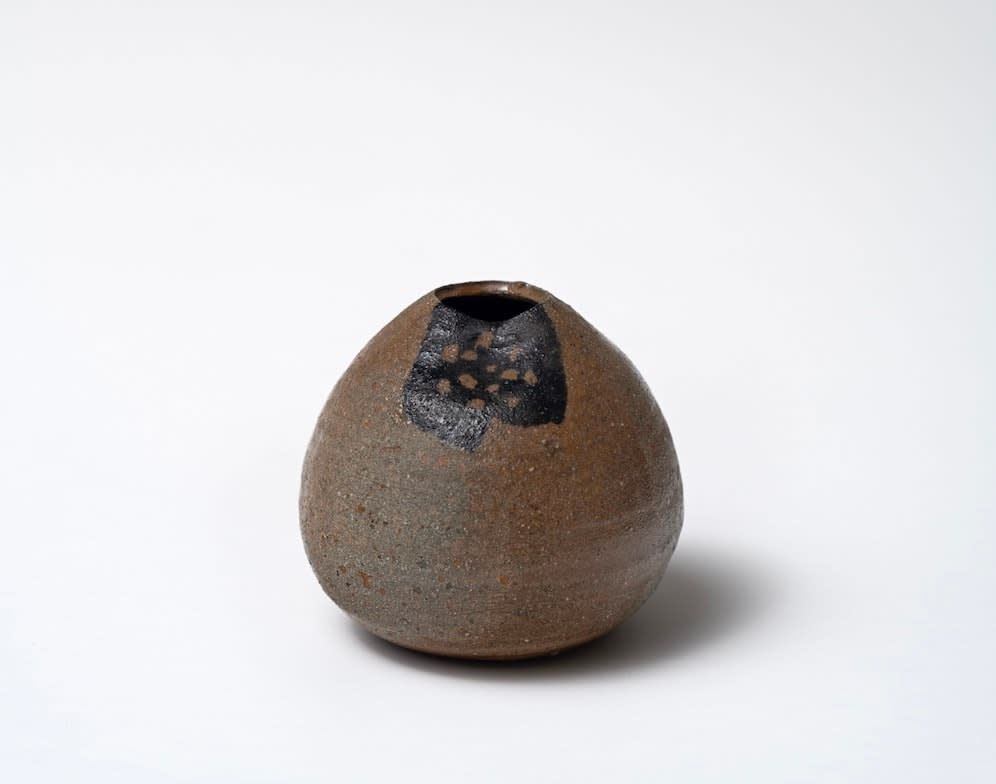
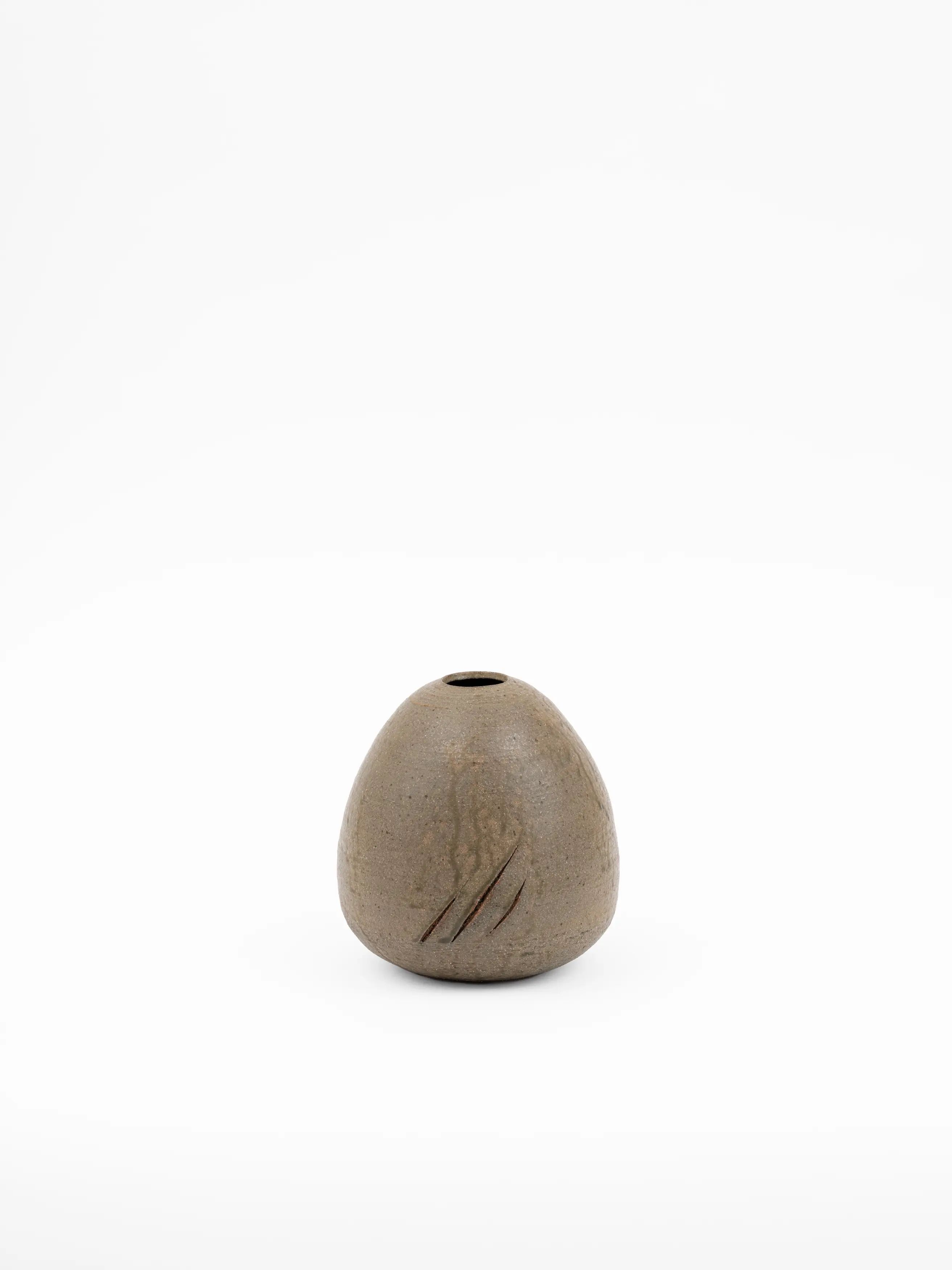
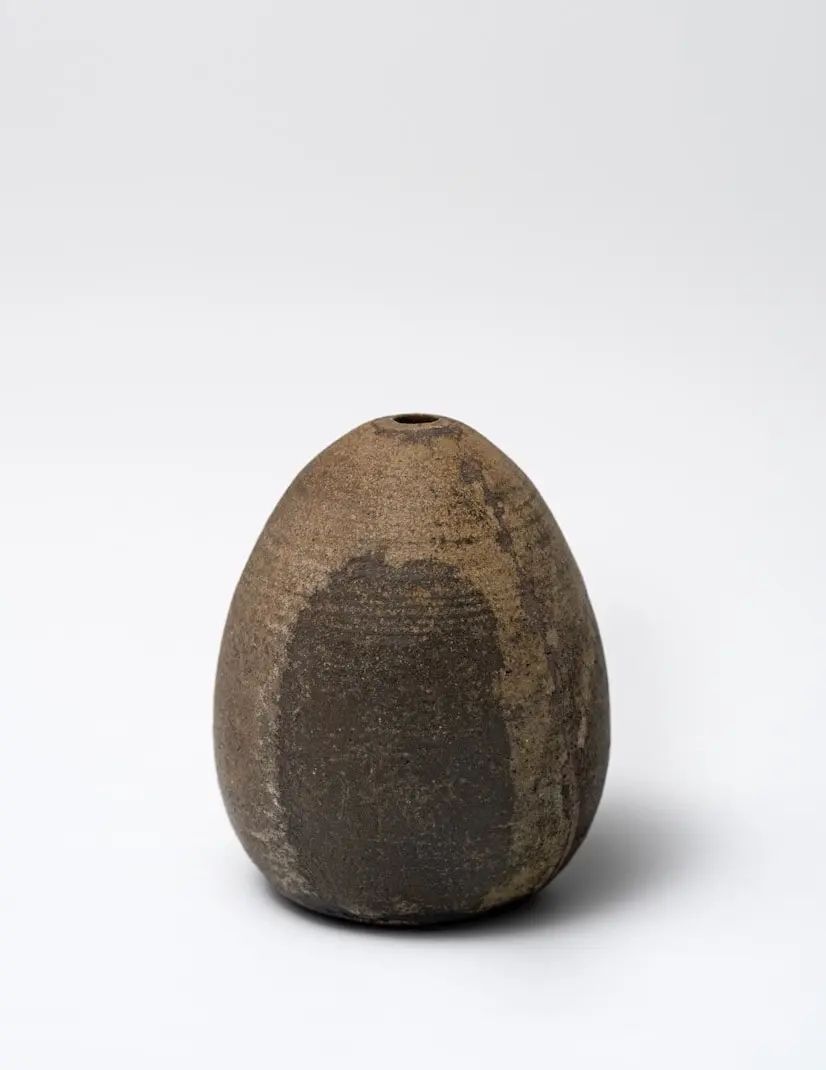
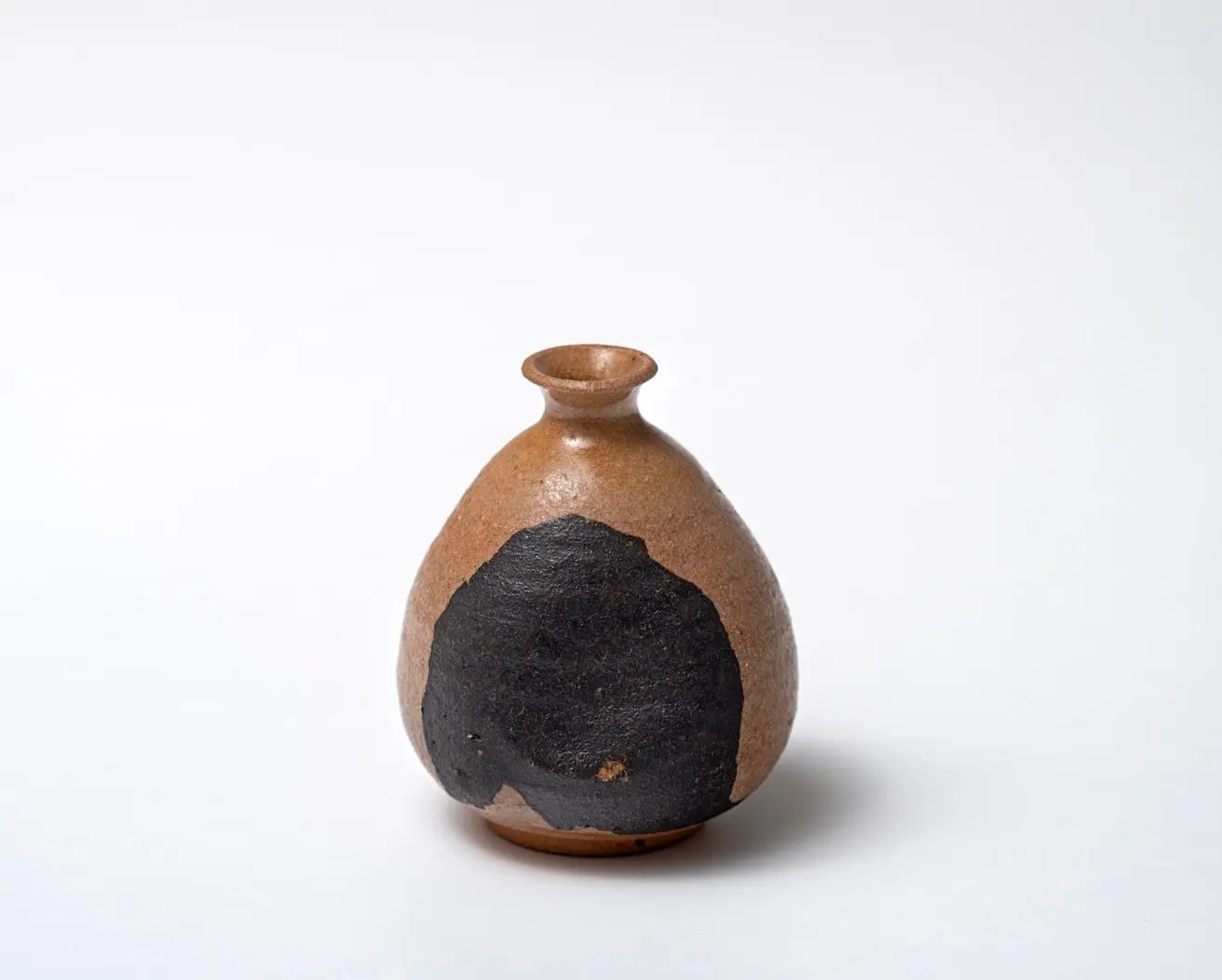
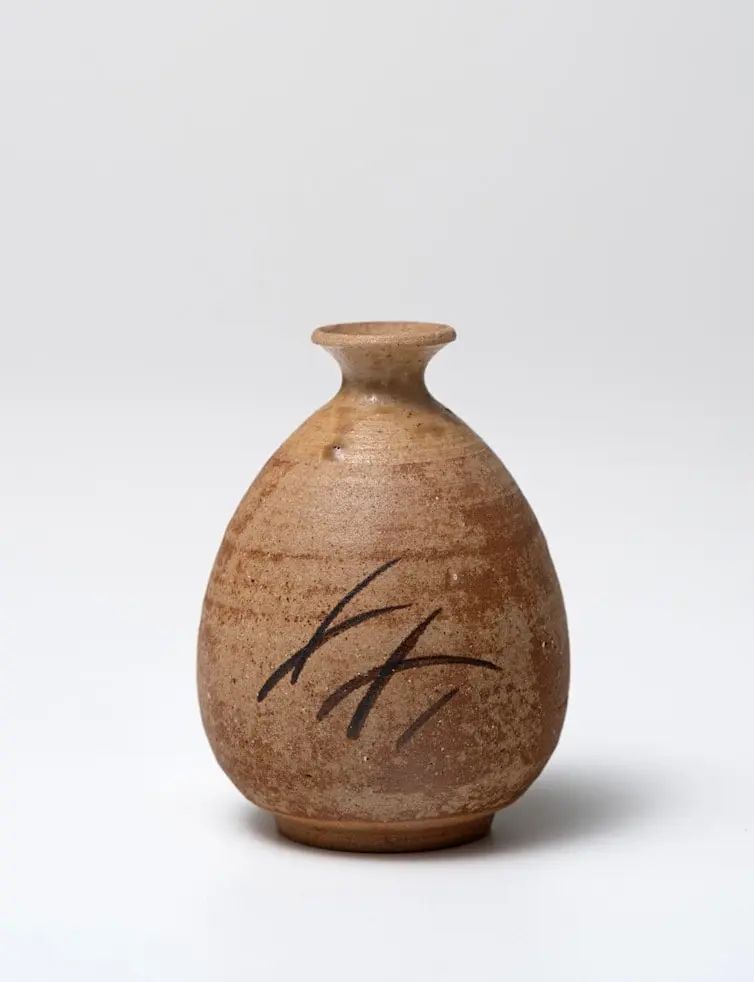
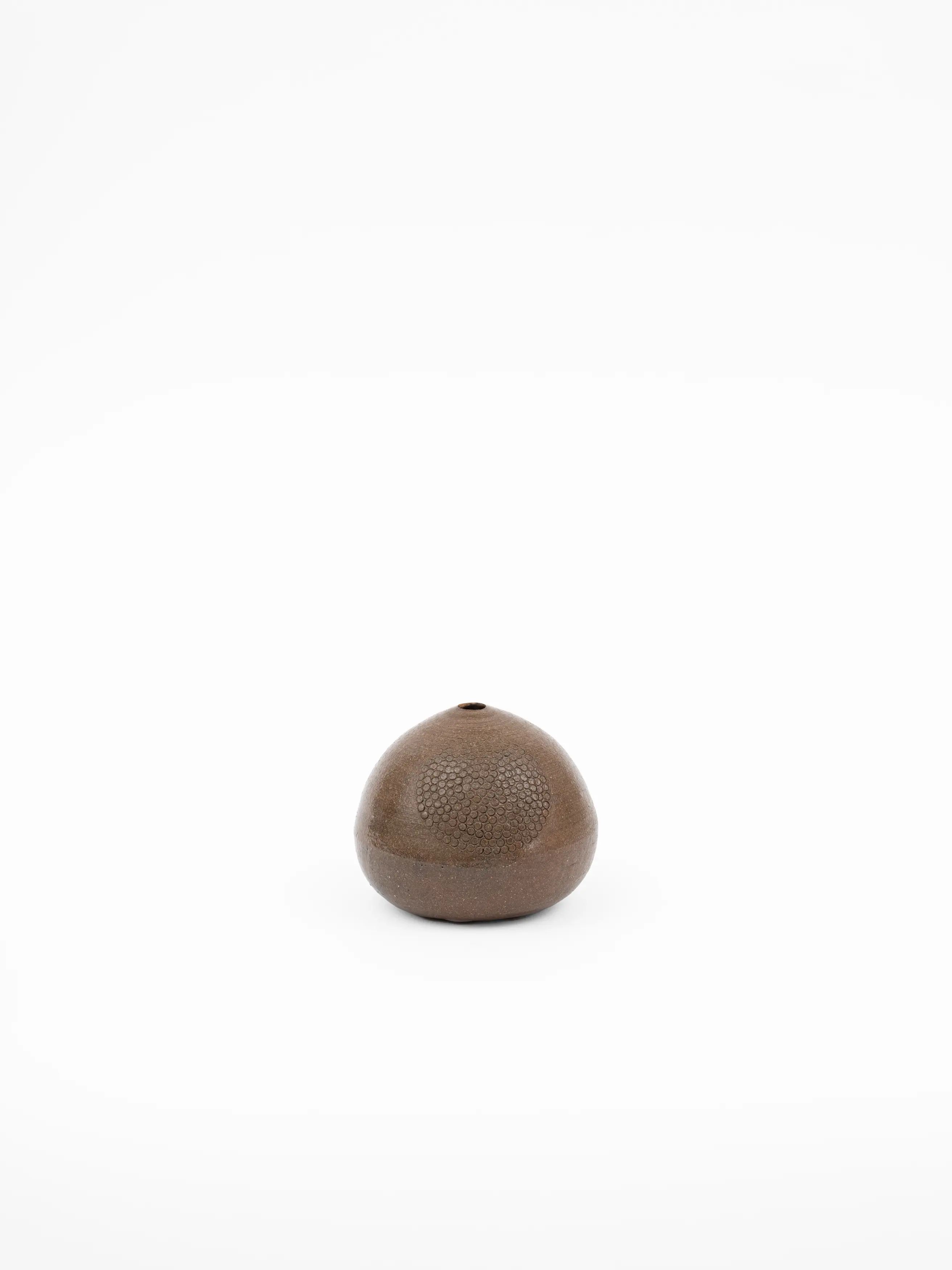
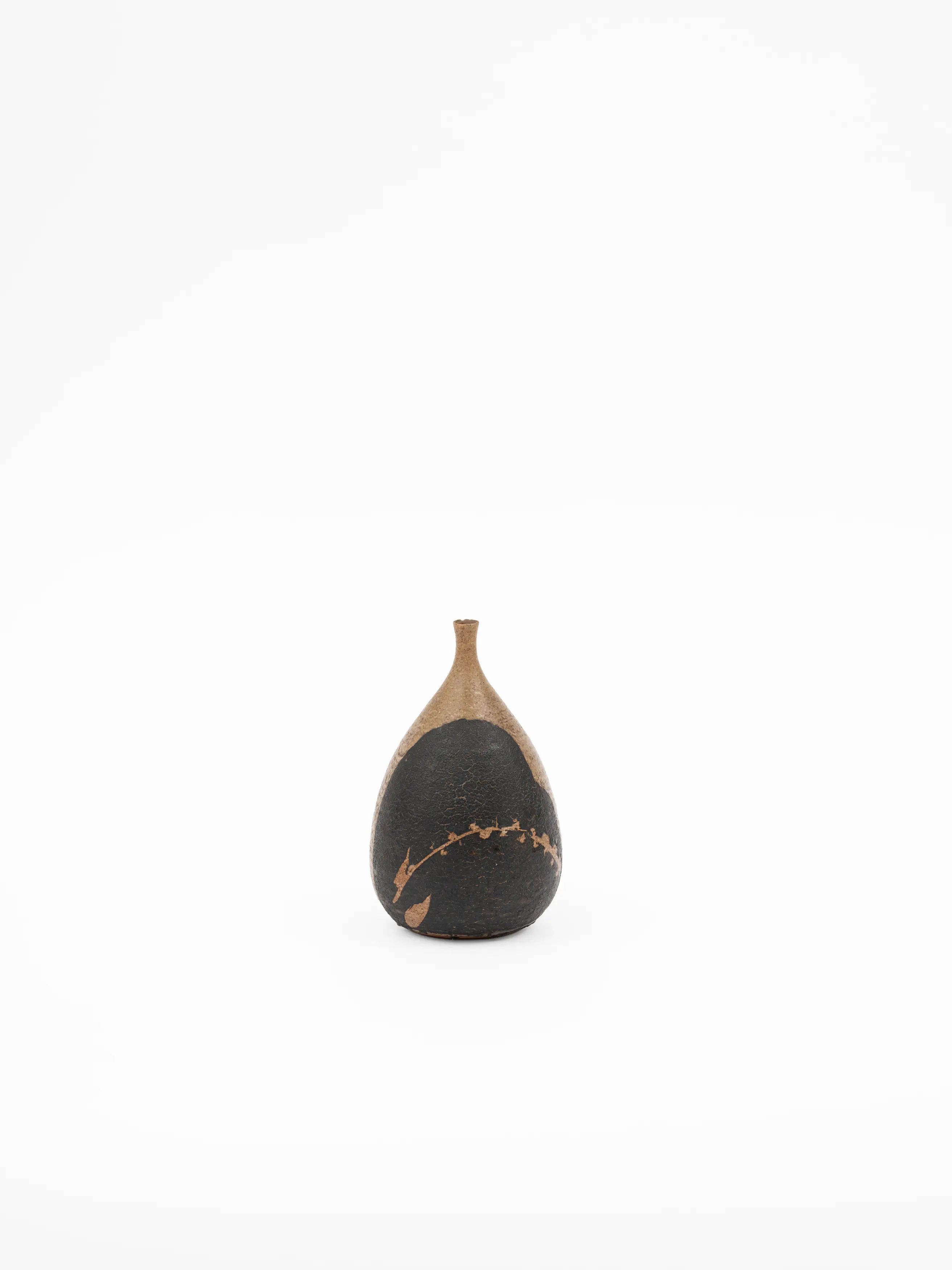
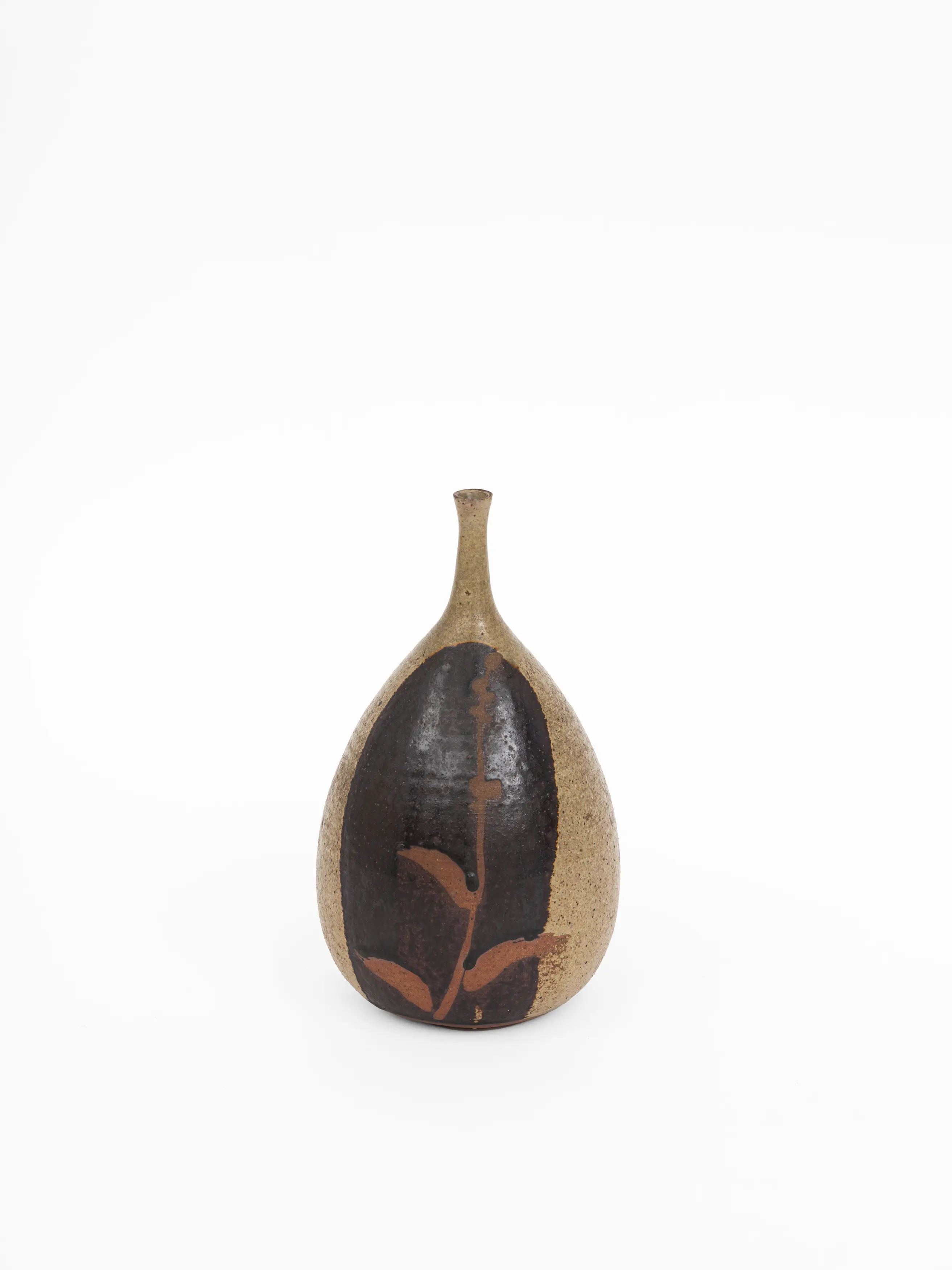
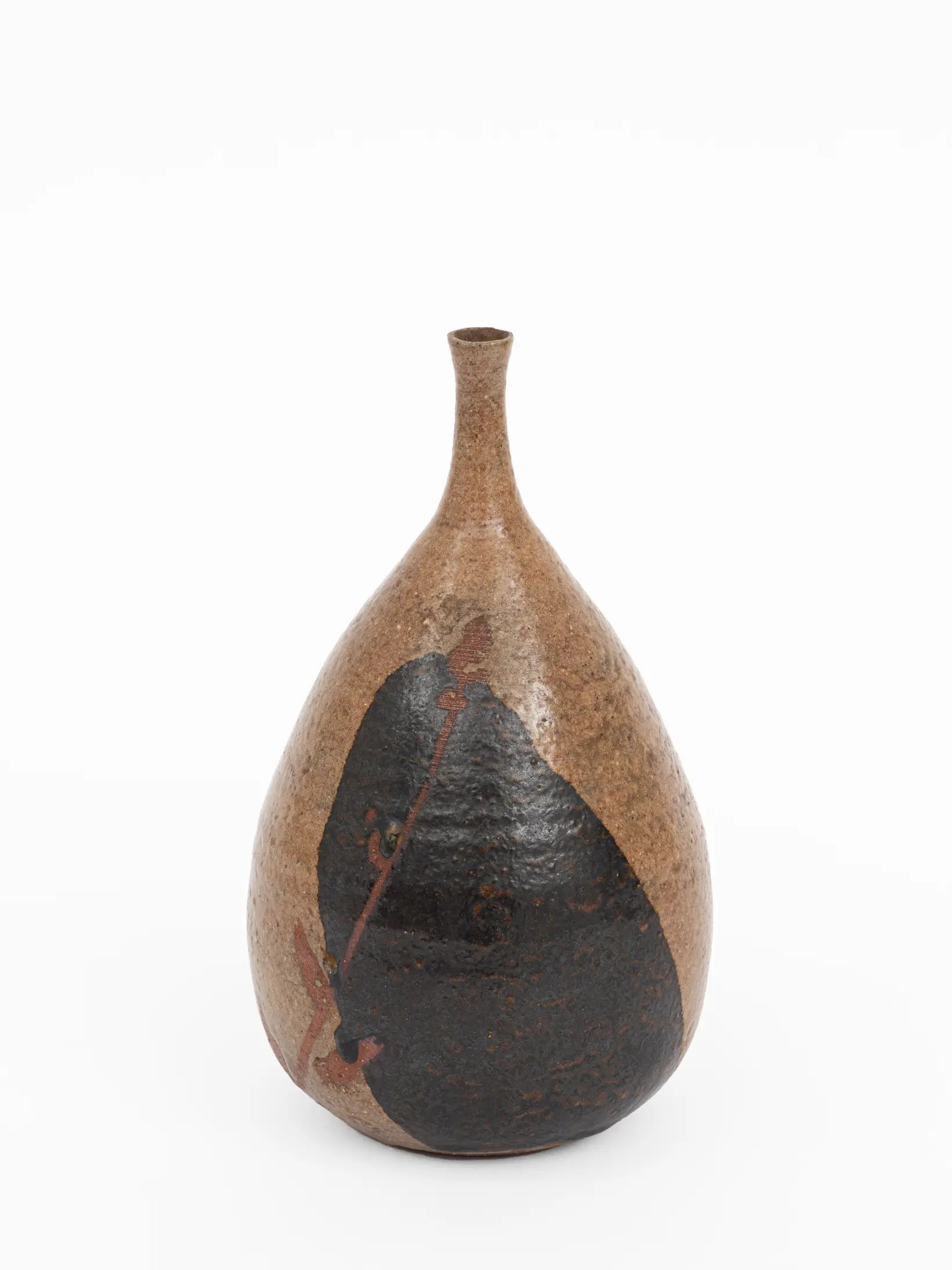
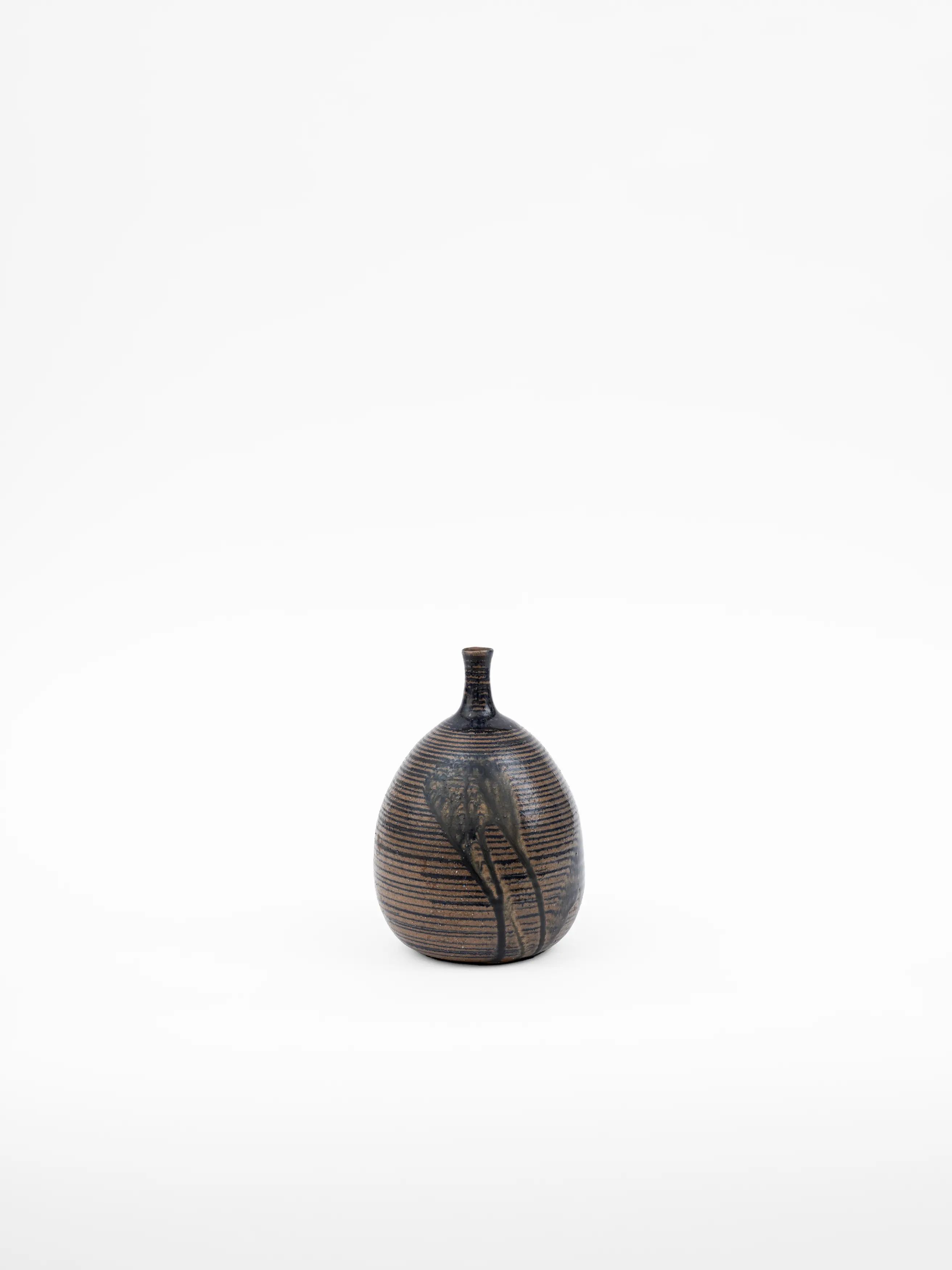
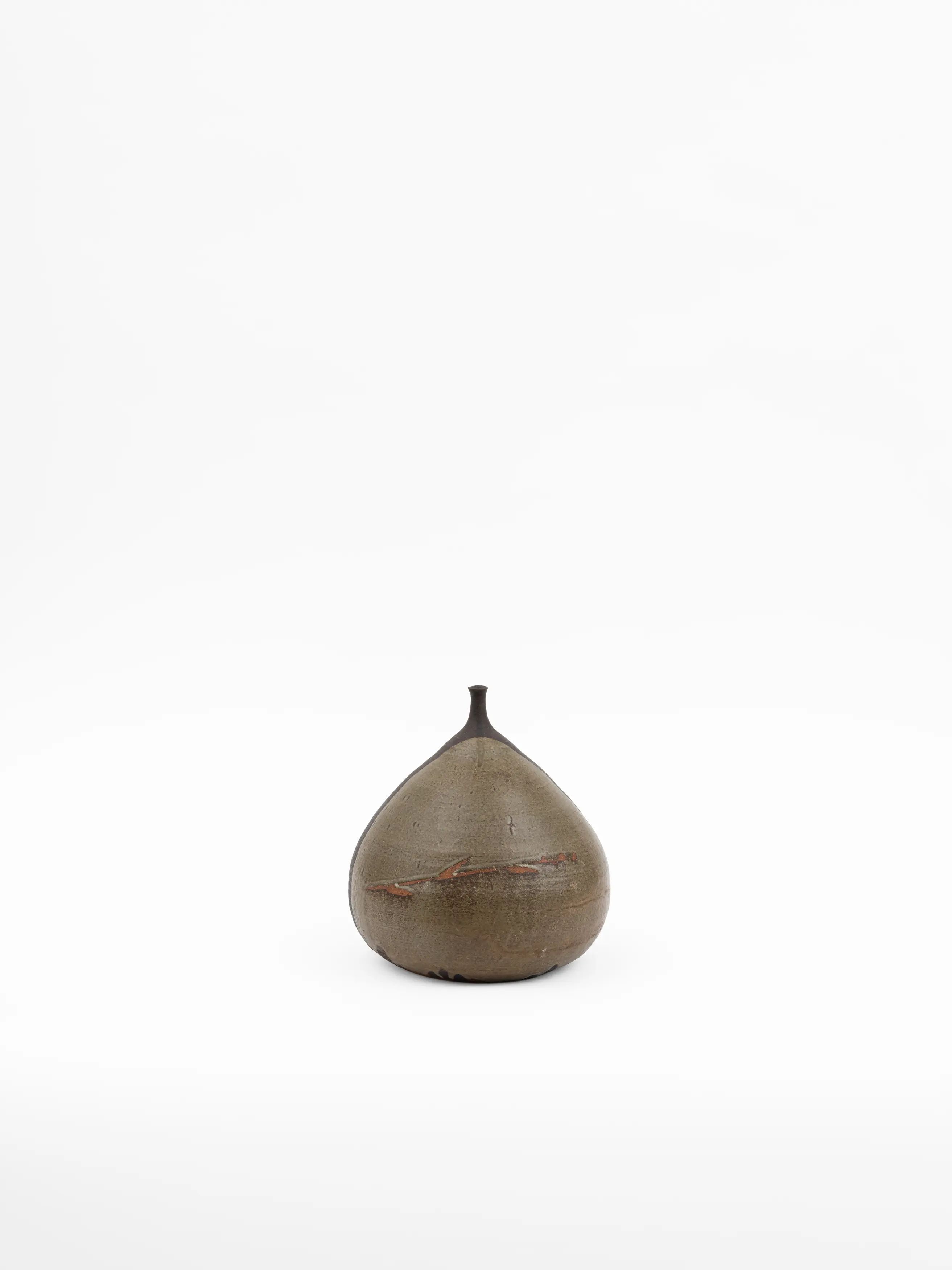
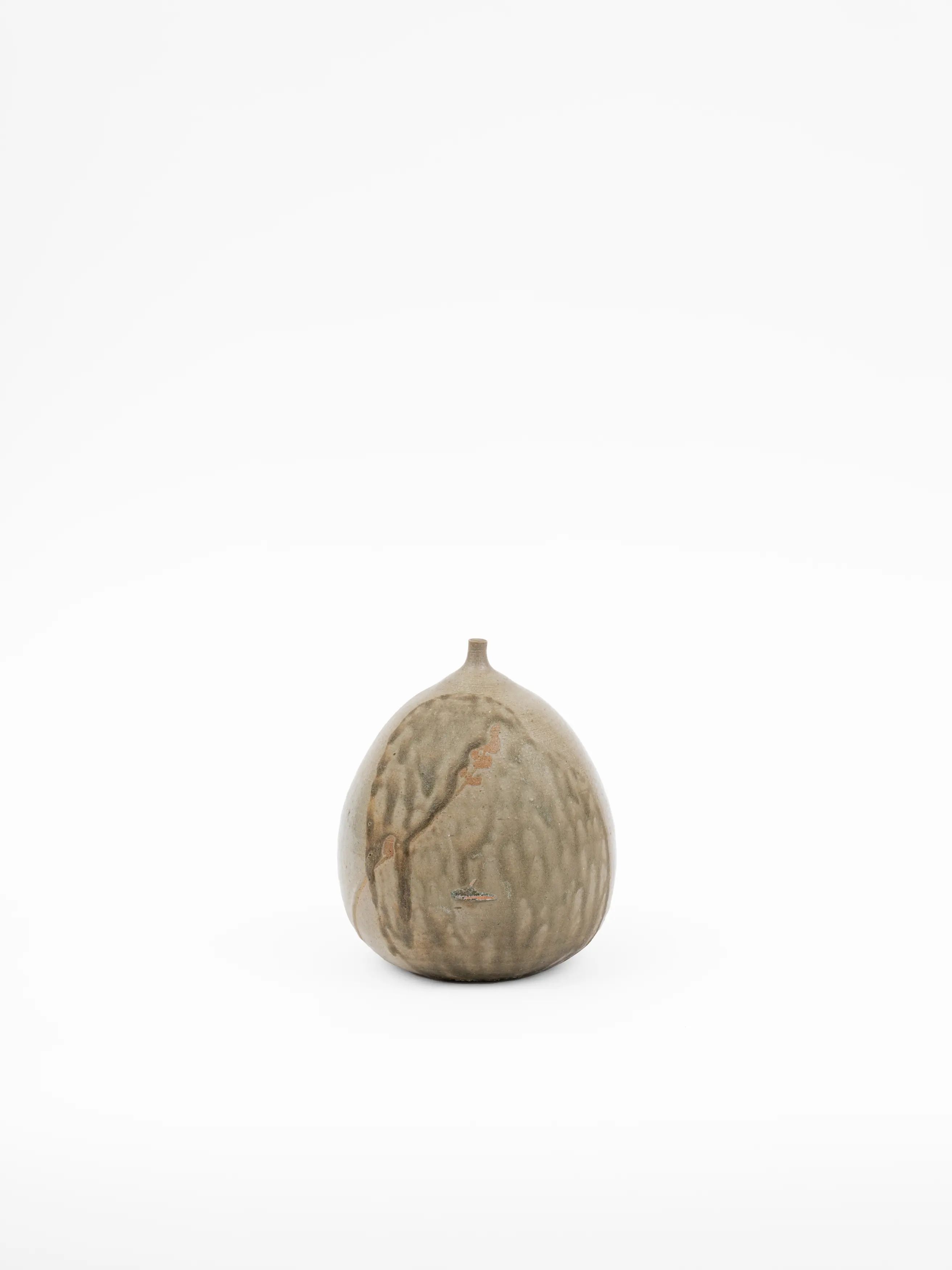
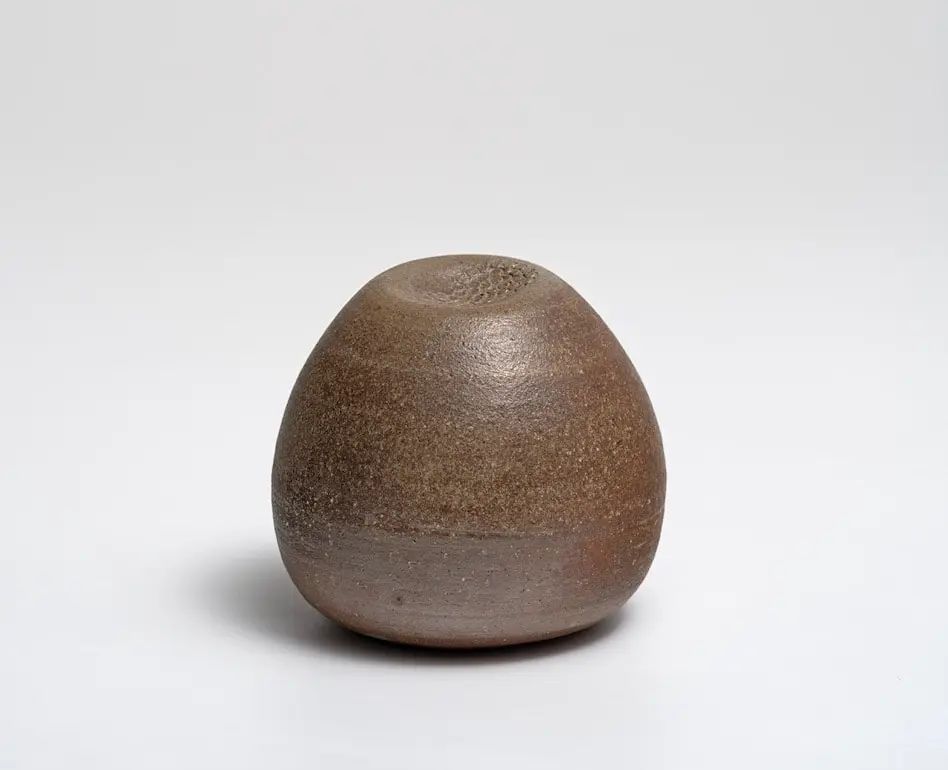
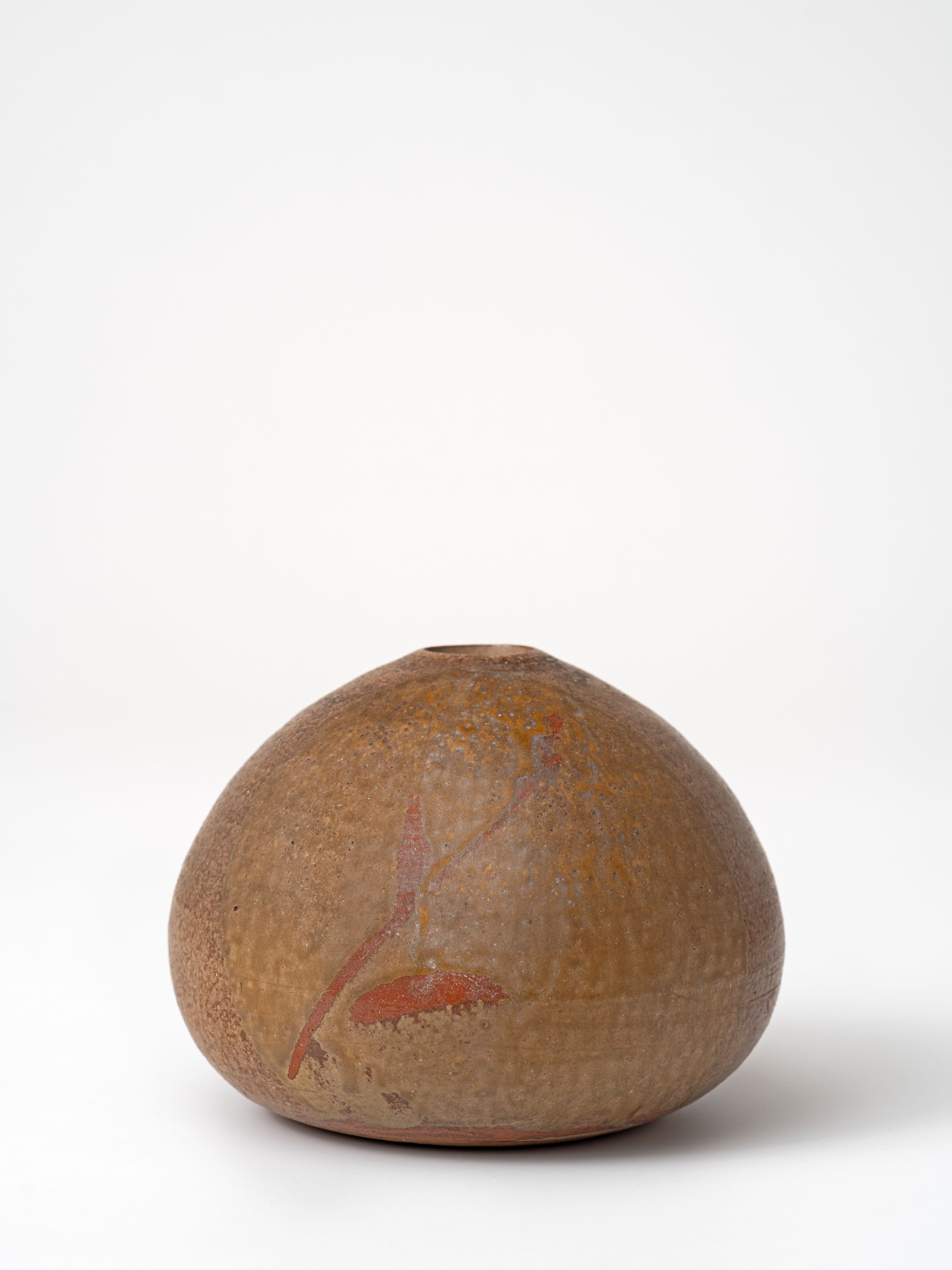
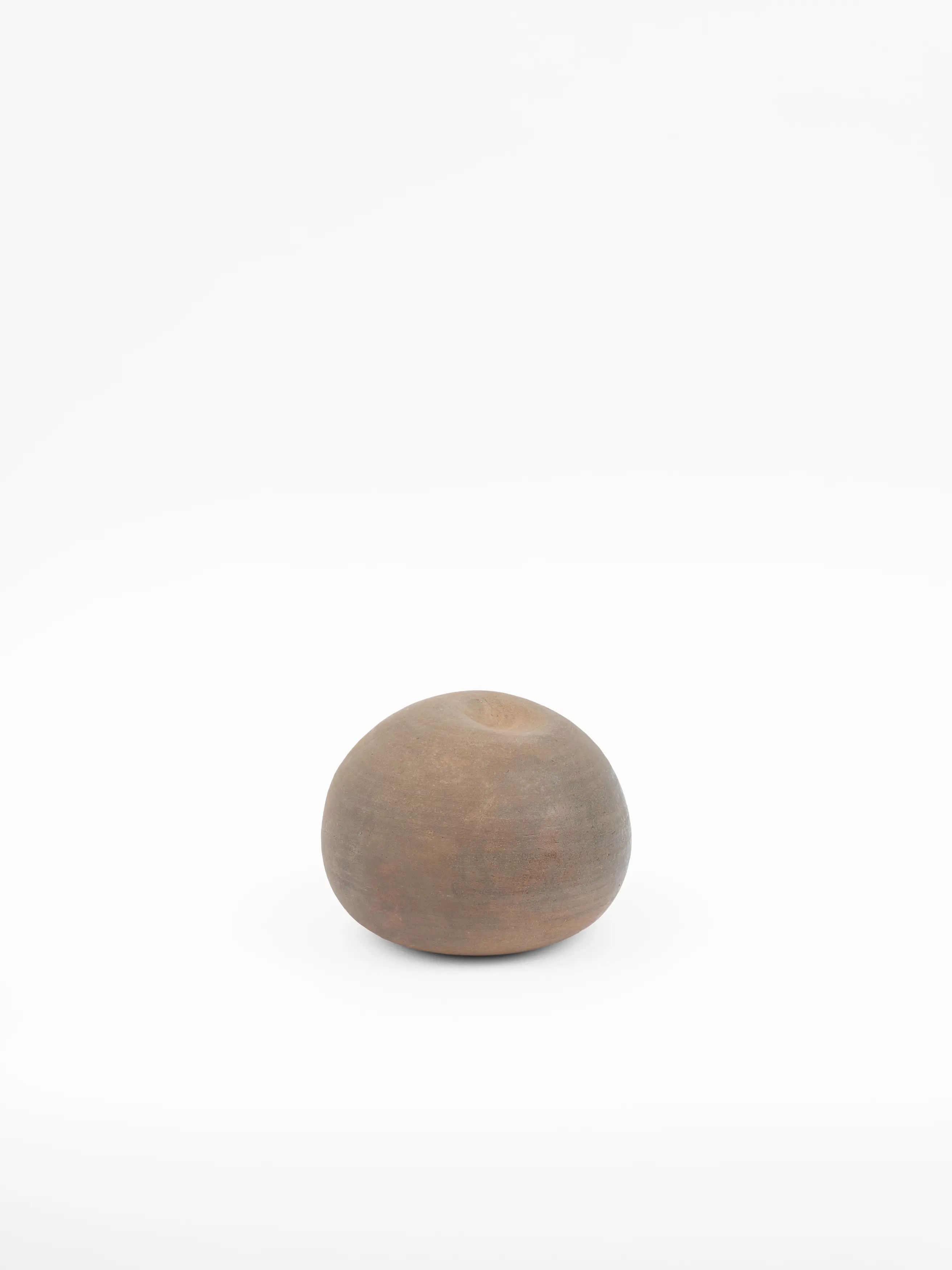
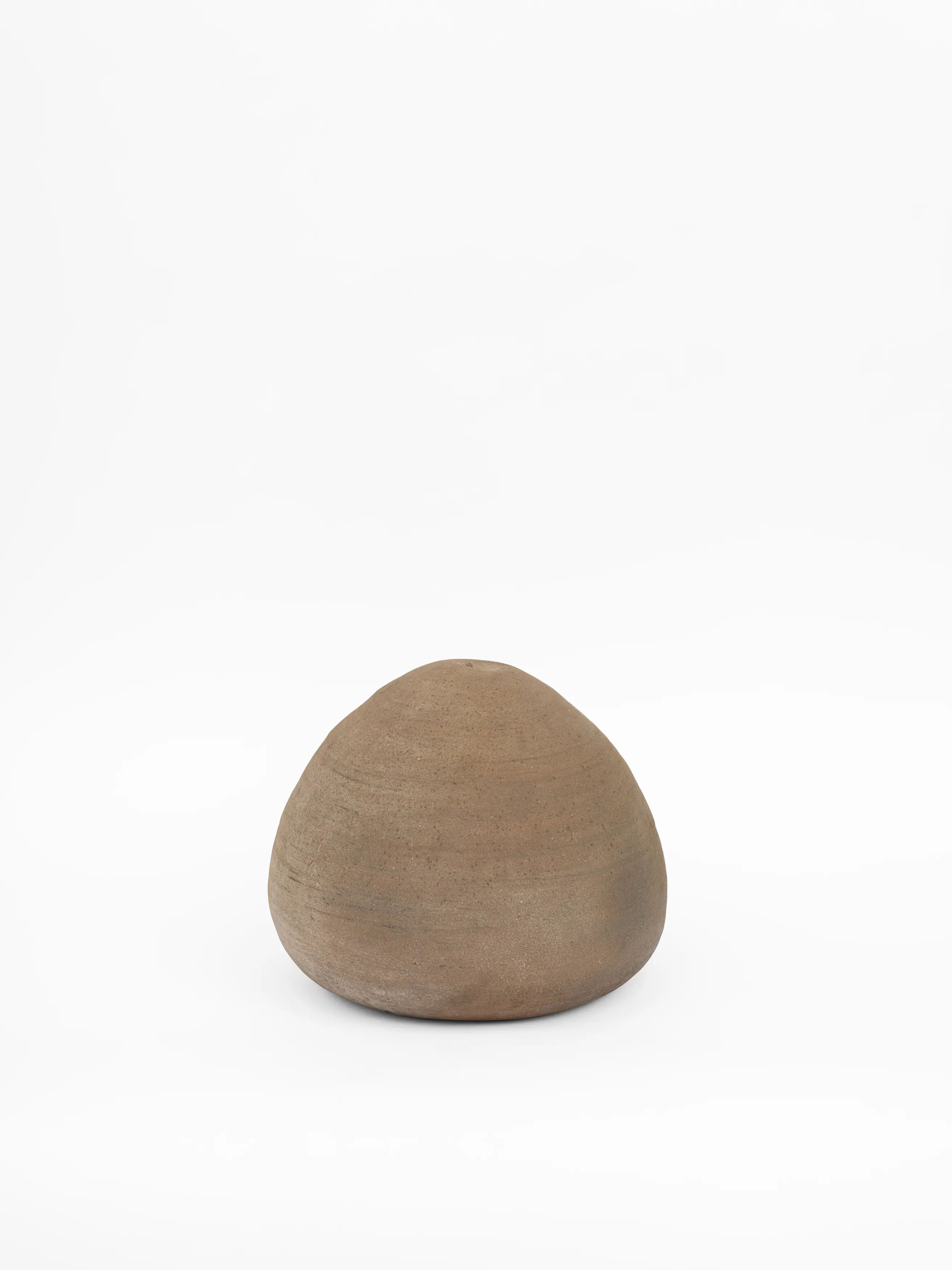
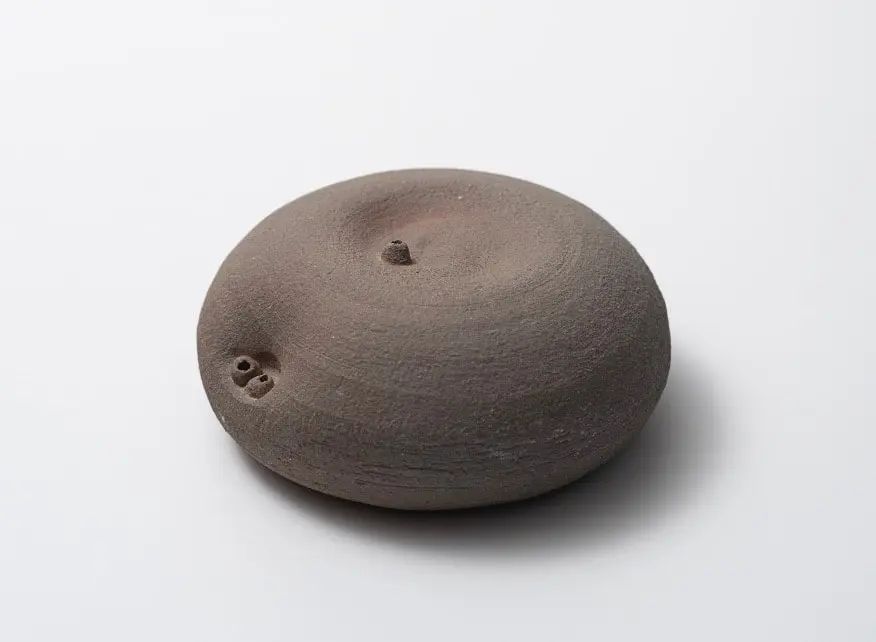
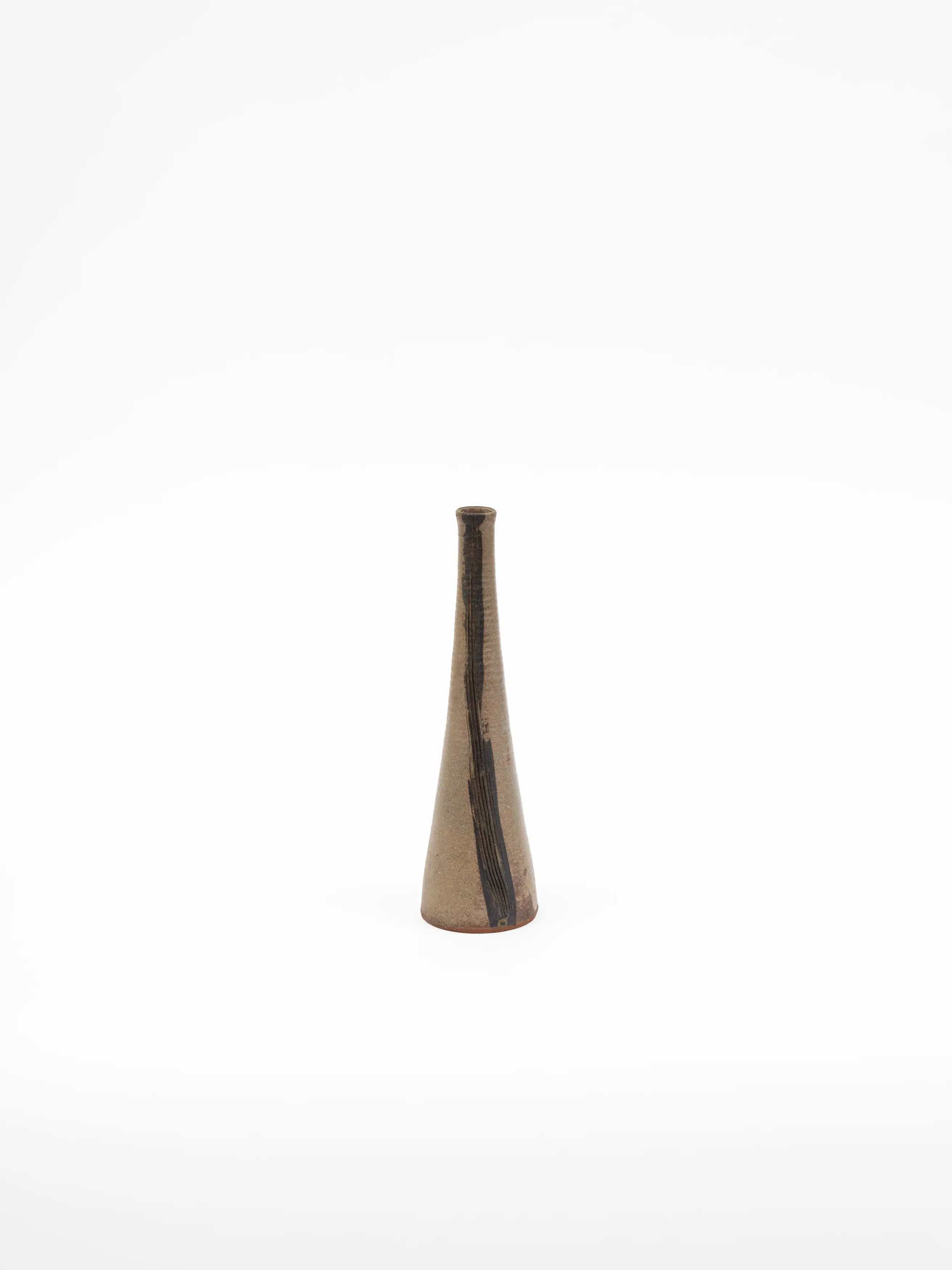
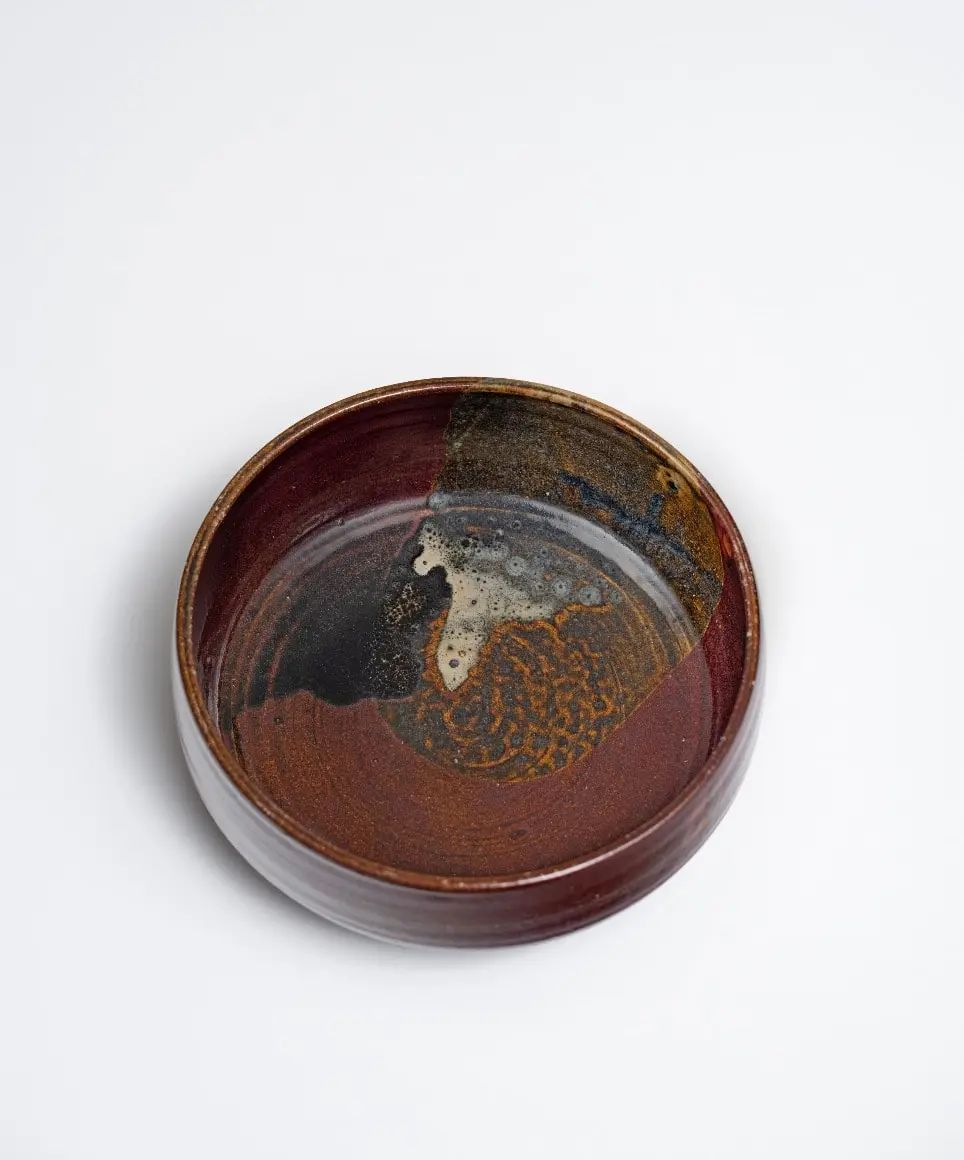
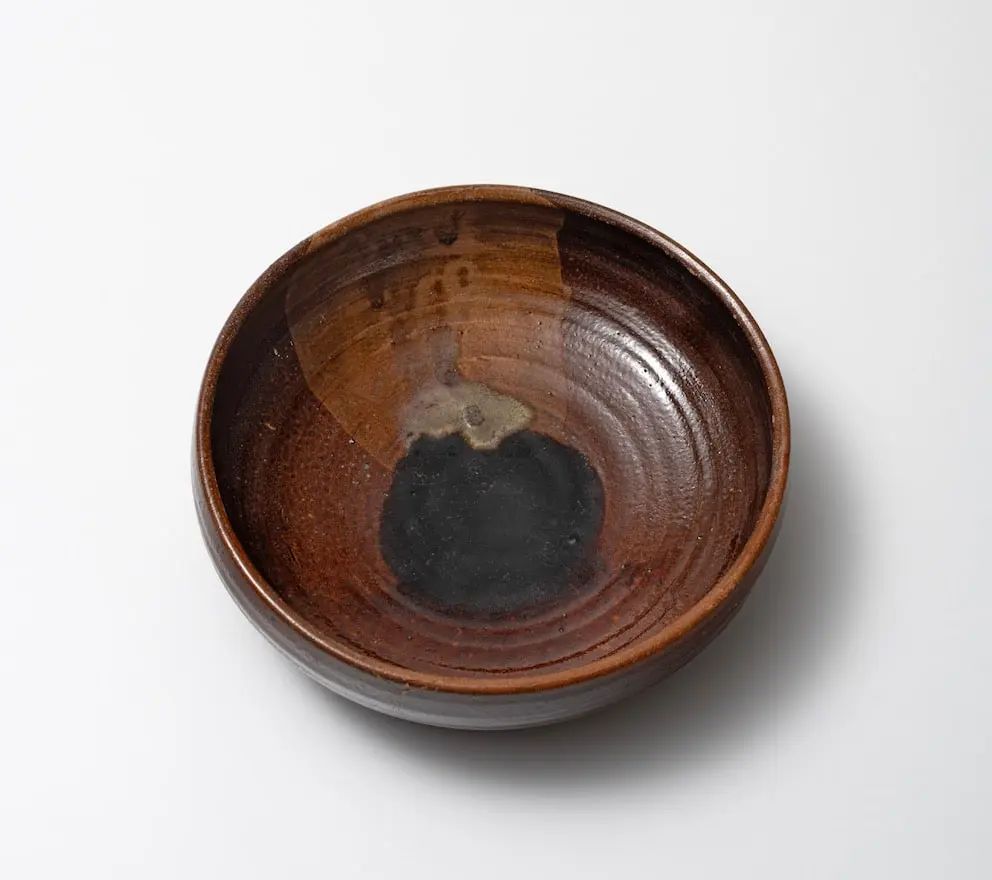
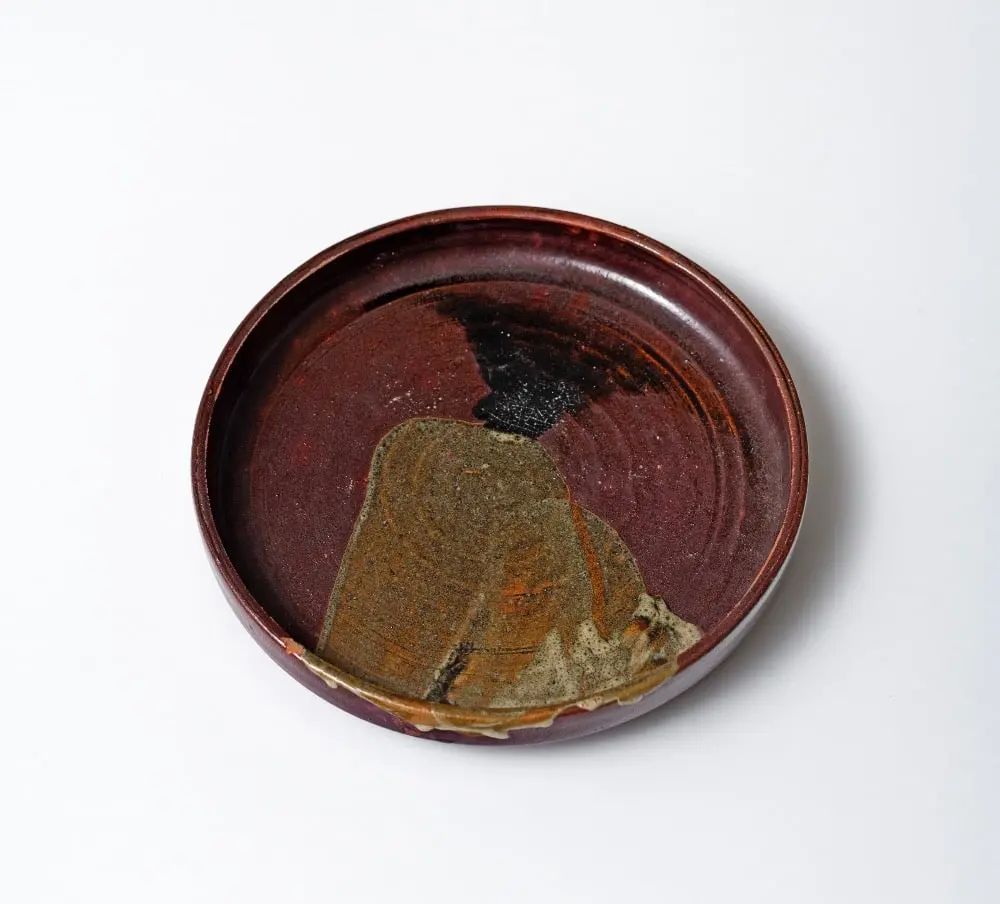
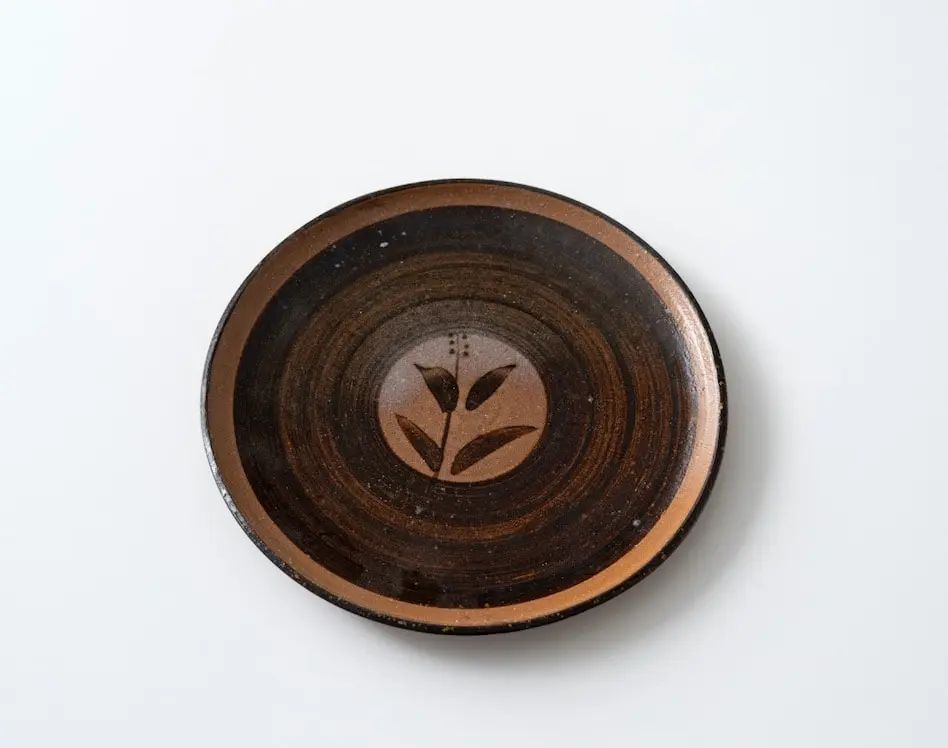
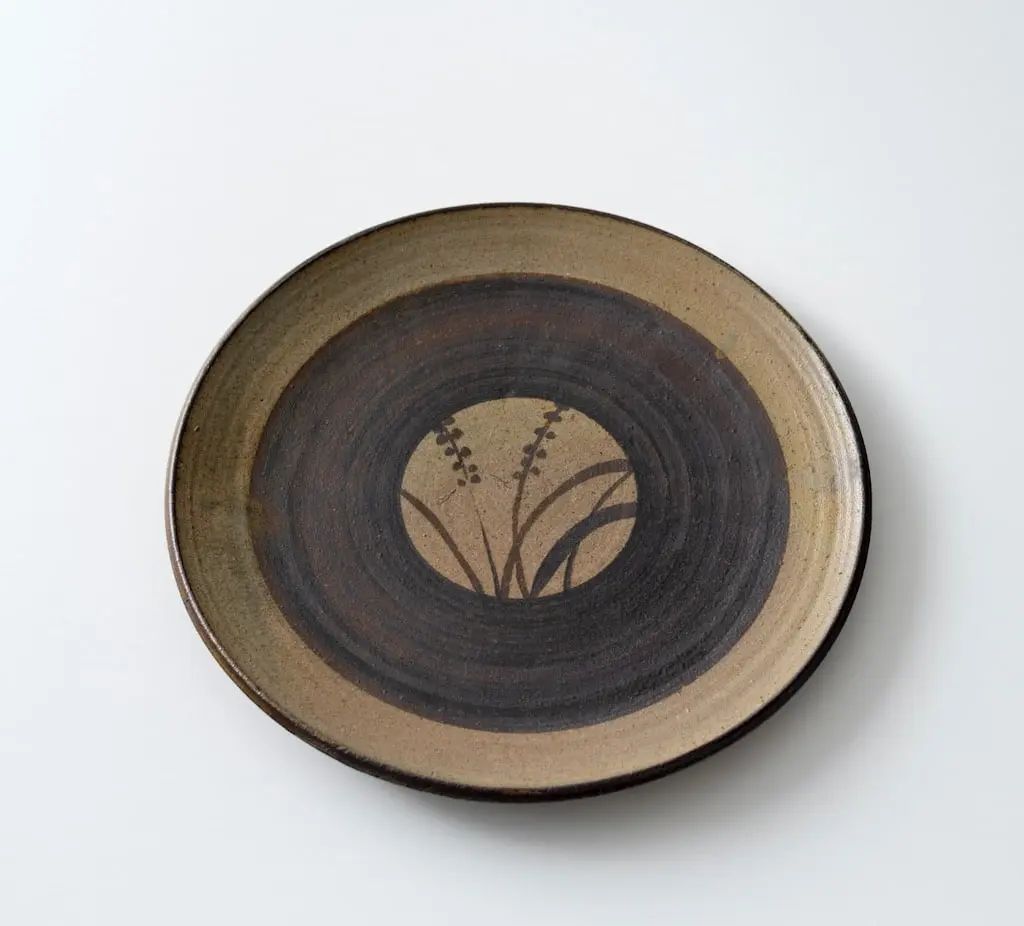
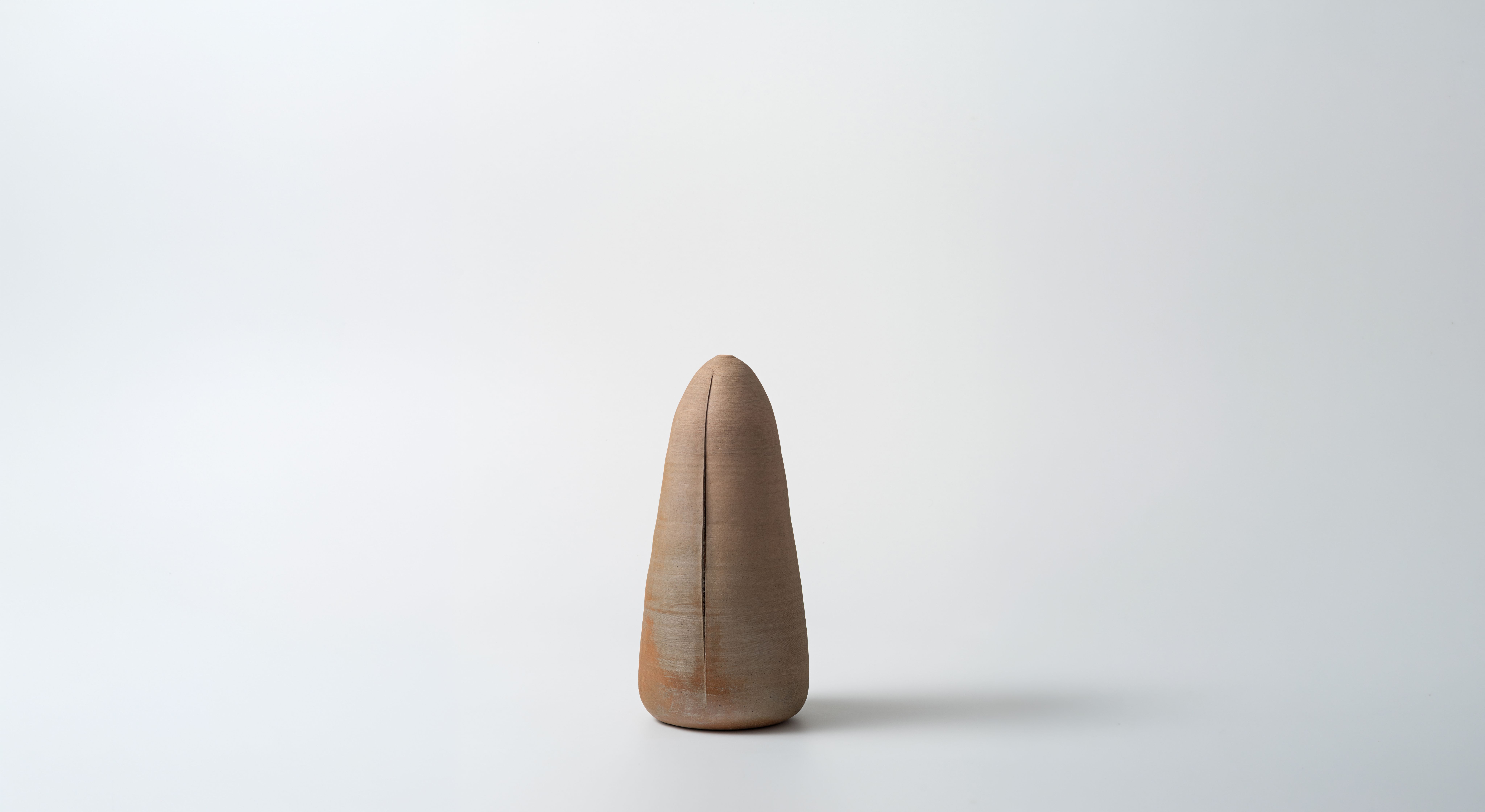
Shoko Suzuki holds a distinctive position in the history of ceramics internationally, defined by her decades-long practice as well as the bold introduction and development of the traditional Japanese noborigama kiln in Brazil. Across her oeuvre, she has affirmed ceramics as an artistic language of high technical and formal complexity, sustained by a continuous dialogue with essential elements of time, fire, and matter. Central to this achievement is the disciplined, rigorous use Suzuki makes of the noborigama kiln—a technical apparatus whose mastery precedes the object yet determines its conditions of existence, shaping form, surface, and temporality through processes that exceed direct control.
Trained in Japan, Shoko Suzuki began her practice in the early 1950s as a disciple of Tōkō Karasugi, delving into traditional methods of modeling and firing. In May 1962, she disembarked at the port of Santos, the main seaport of Brazil, alongside her husband, artist Yukio Suzuki. At the time, the cultural landscape she encountered was already shaped by the consolidation of modern art museums and by the early editions of the São Paulo Biennial, which were central to the formation of international artistic exchange and critical discourse in southeastern Brazil. This relocation was part of a larger wave of Japanese immigration to Brazil, a process that began with diplomatic efforts in the late 19th century and was significantly marked by the arrival of the first group of immigrants aboard the Kasato Maru in 1908. With the state of São Paulo as its primary destination, this movement gave rise to a dense field of cultural, social, and symbolic negotiations between Eastern and Western traditions, institutions, and perspectives. Situated within the broader landscape of Asian diasporas across the Americas, these exchanges shaped Brazil as the country that today hosts the largest Japanese community outside Japan.
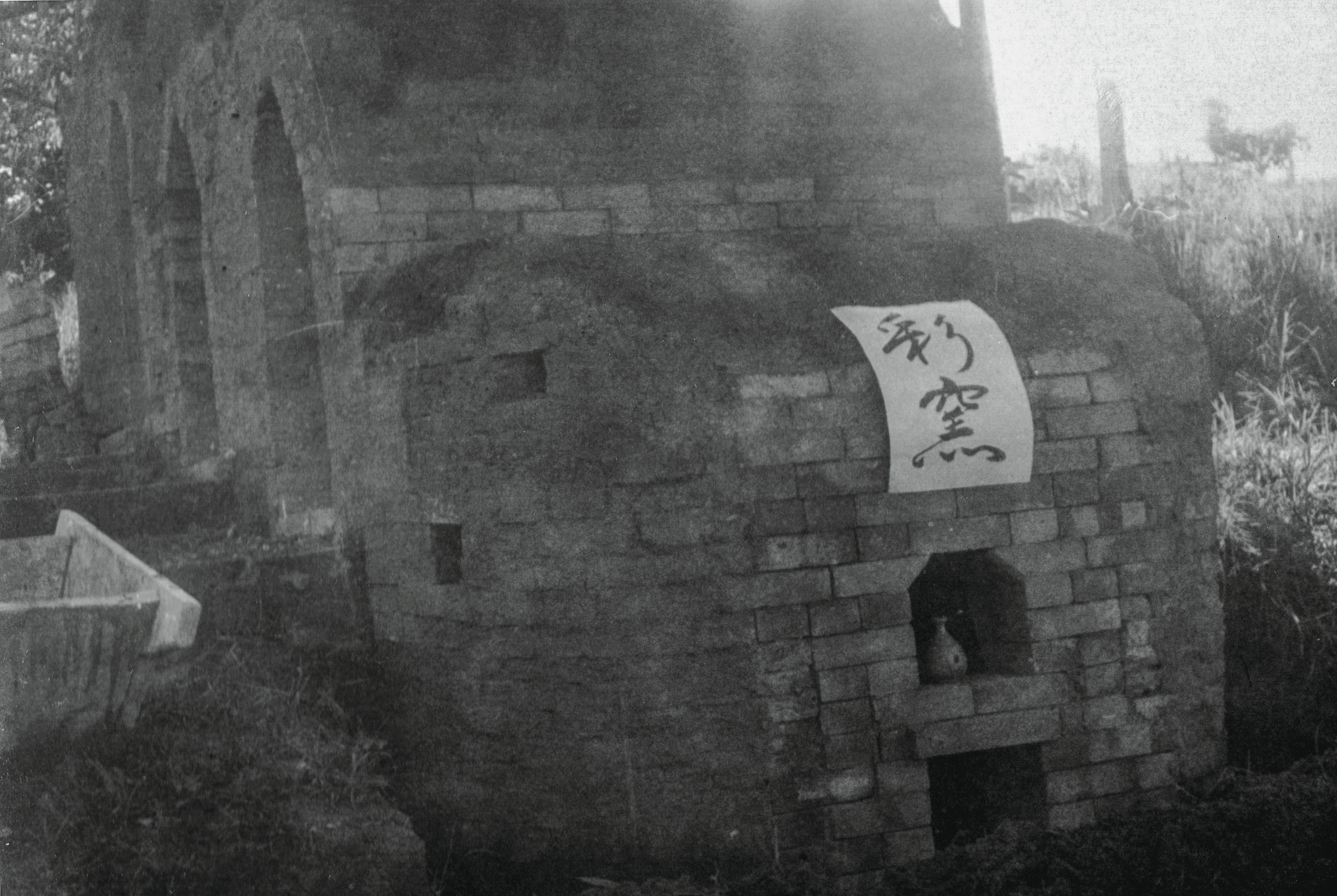
Shoko Suzuki’s noborigama kiln, named Saigama; Cotia, Brazil, c. 1967
Within this context, Shoko Suzuki’s trajectory emerges from experiences of displacement, family reorganization, and continuous adaptation. These conditions are central to understanding how she developed a language of her own, anchored in daily engagement with clay, the noborigama, and the technical rigor that defines her production. Her work does not rely on immediate or identifiable references; rather, it lies in the singularity of a research-based practice that has consolidated specific approaches to composition and form. In Brazil, Shoko established her studio in Cotia, in the metropolitan region of São Paulo, where she built the country’s first noborigama in 1965. Conceived and executed by a woman artist in a field that, in her context, was historically structured by male lineages and informal modes of knowledge transmission, the initiative represented a technically ambitious, institutionally unprecedented undertaking. With the kiln, a hand-operated potter’s wheel, and locally sourced clay and firewood, her working environment was fully established.
This exhibition has been developed with the artist and her family and in partnership with Gomide&Co., will be accompanied by an extensive catalogue that was organized in the spring of 2025, coinciding with the 50th anniversary of Shoko Suzuki’s solo exhibition at the Museu de Arte de São Paulo Assis Chateaubriand – MASP, then directed by Pietro Maria Bardi, a critic and curator fundamental to the formation of the museum and to the institutional projection of her work. New research by Tie Jojima, Curator of Global Contemporary Art at The Phillips Collection in Washington, D.C., and an interview with the artist conducted by Rachel Hoshino, a curator and researcher of Japanese diasporic ceramics in Brazil, situates decades of Shoko Suzuki’s output production in the present. The interview was carried out with the participation and support of Shoko’s only daughter, Sakurako Suzuki, whose dedication to preserving her mother’s legacy made this volume possible.
For more information, please contact Andrew Blackley [andrew@salon94.com]