Ed Clark
Installation Views
Artwork
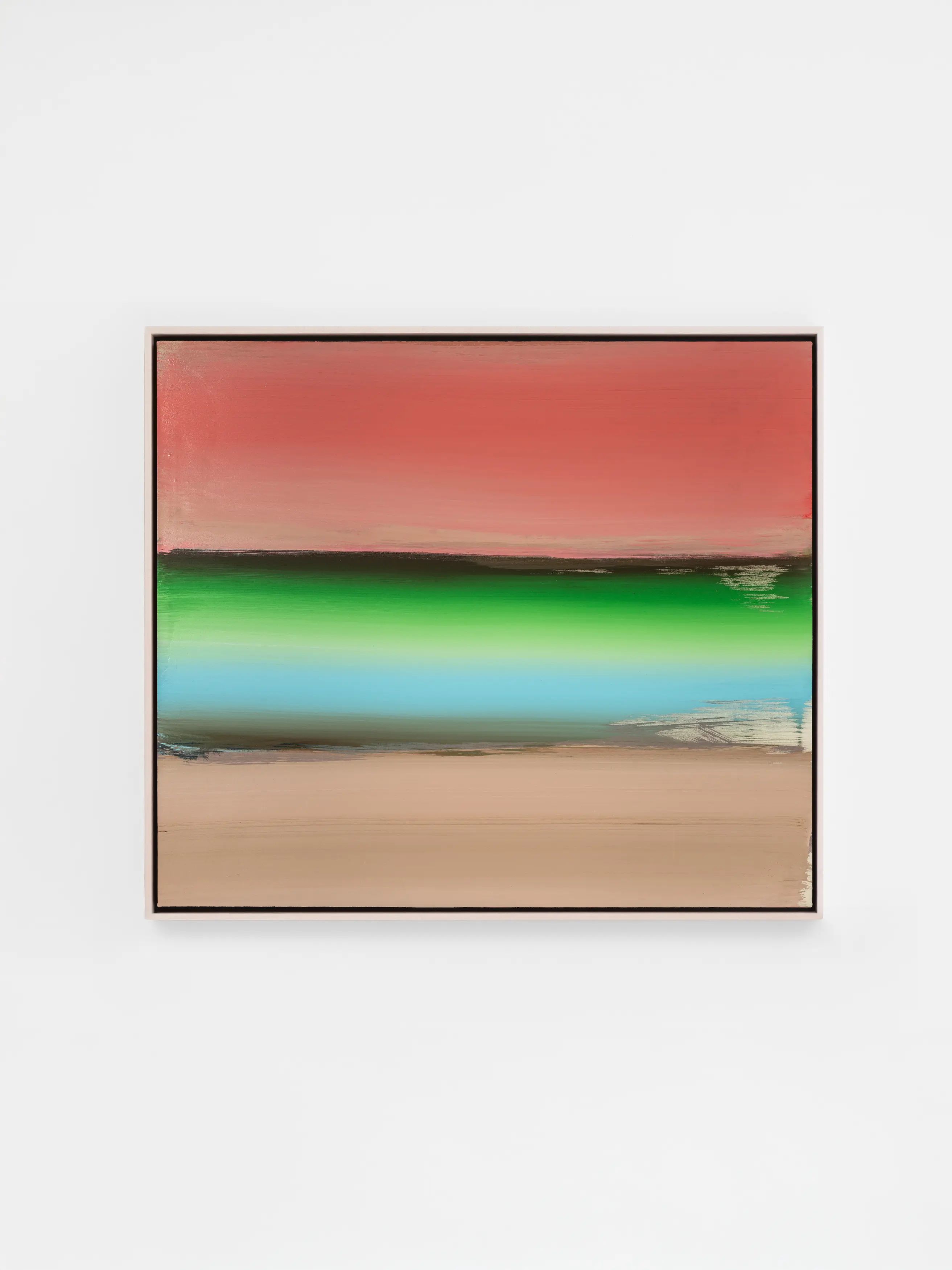
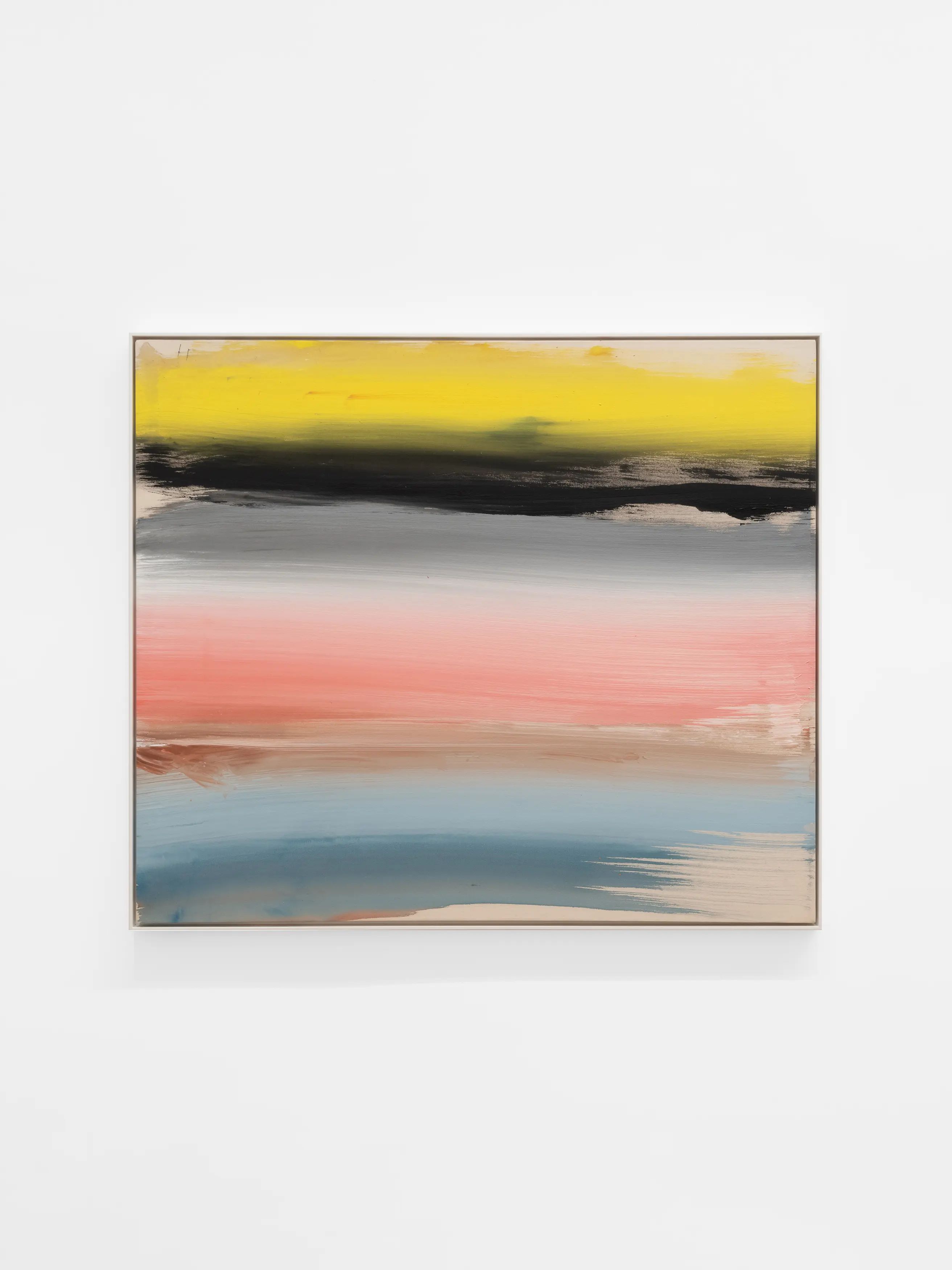
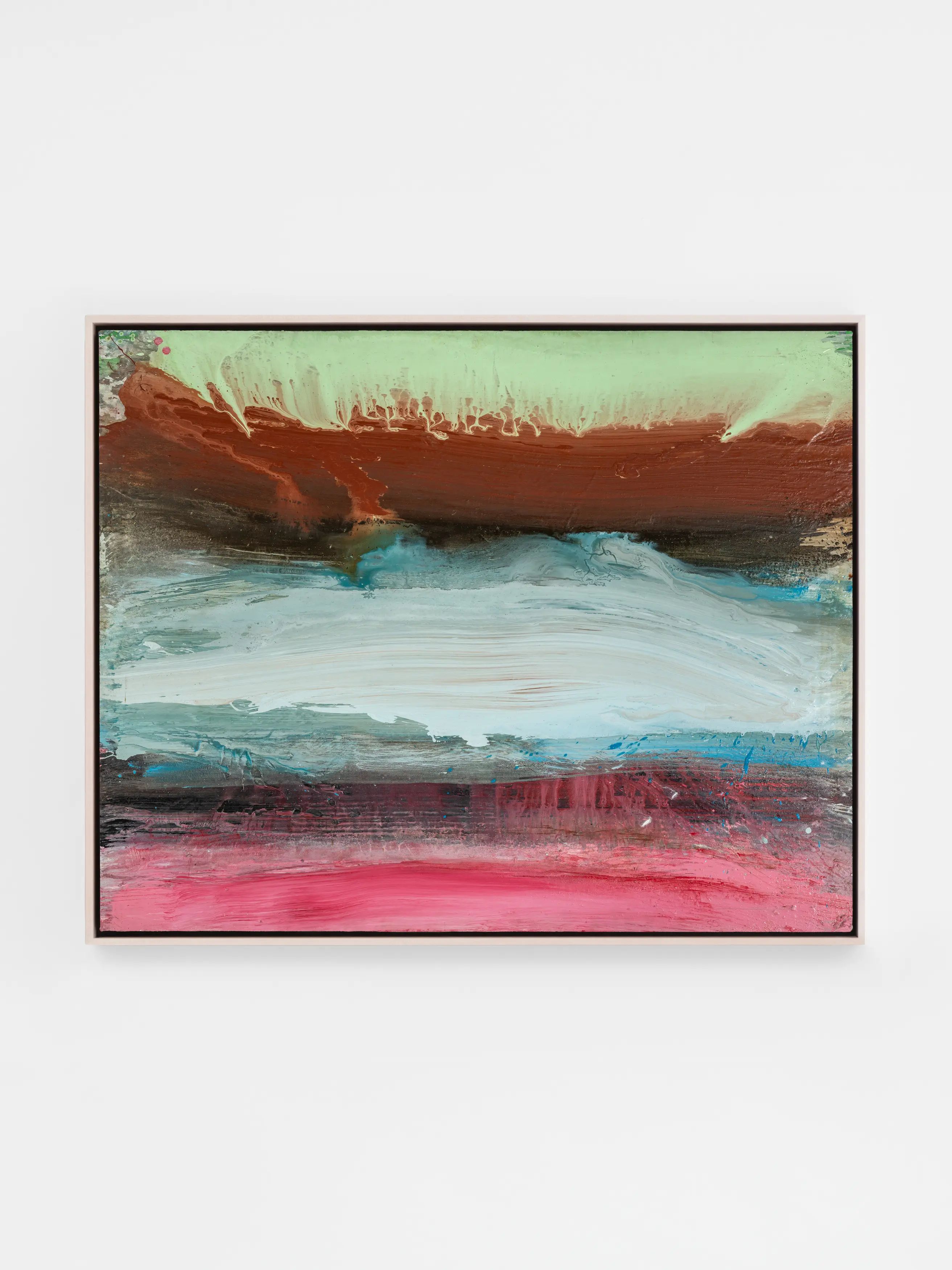
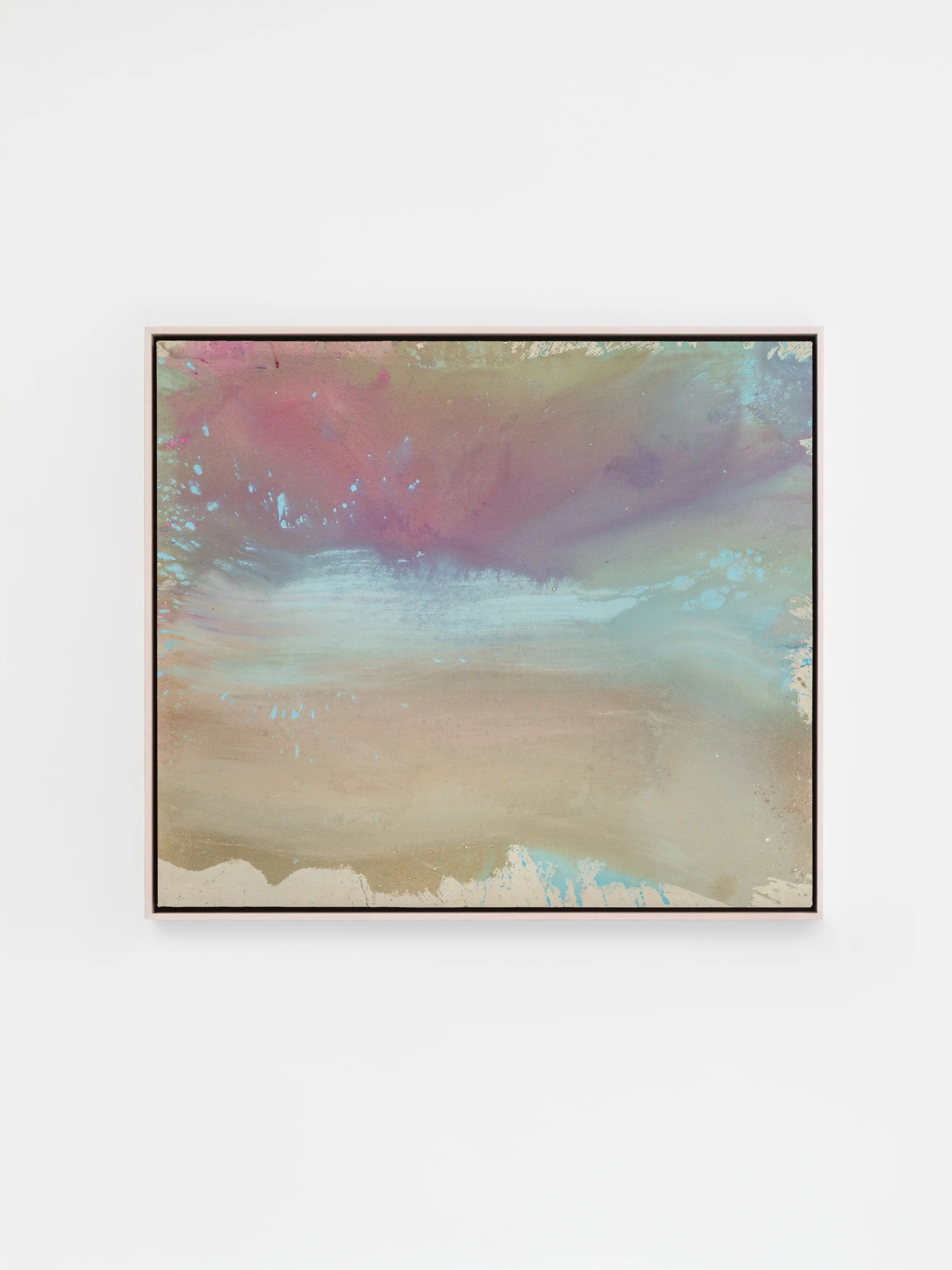
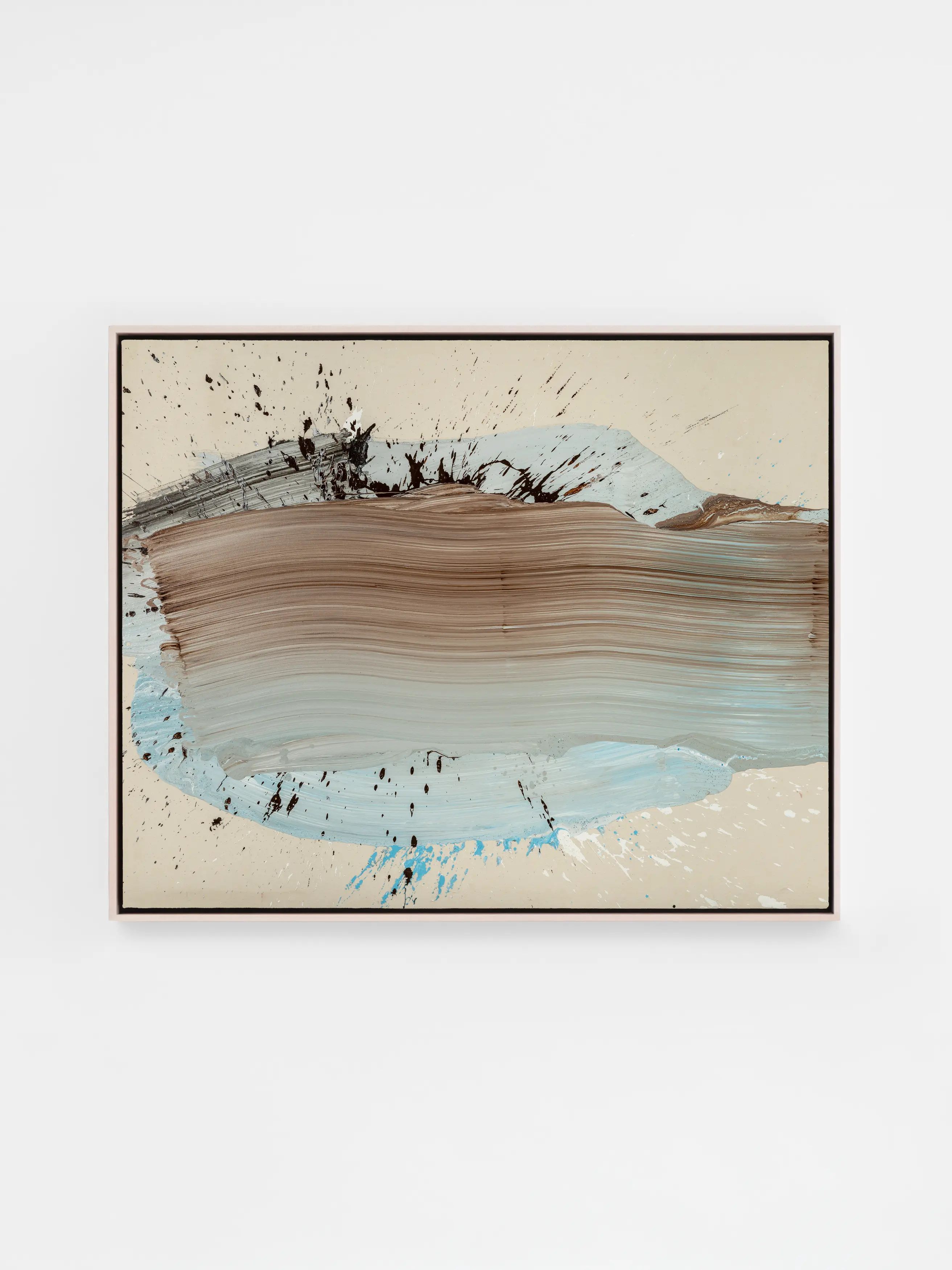
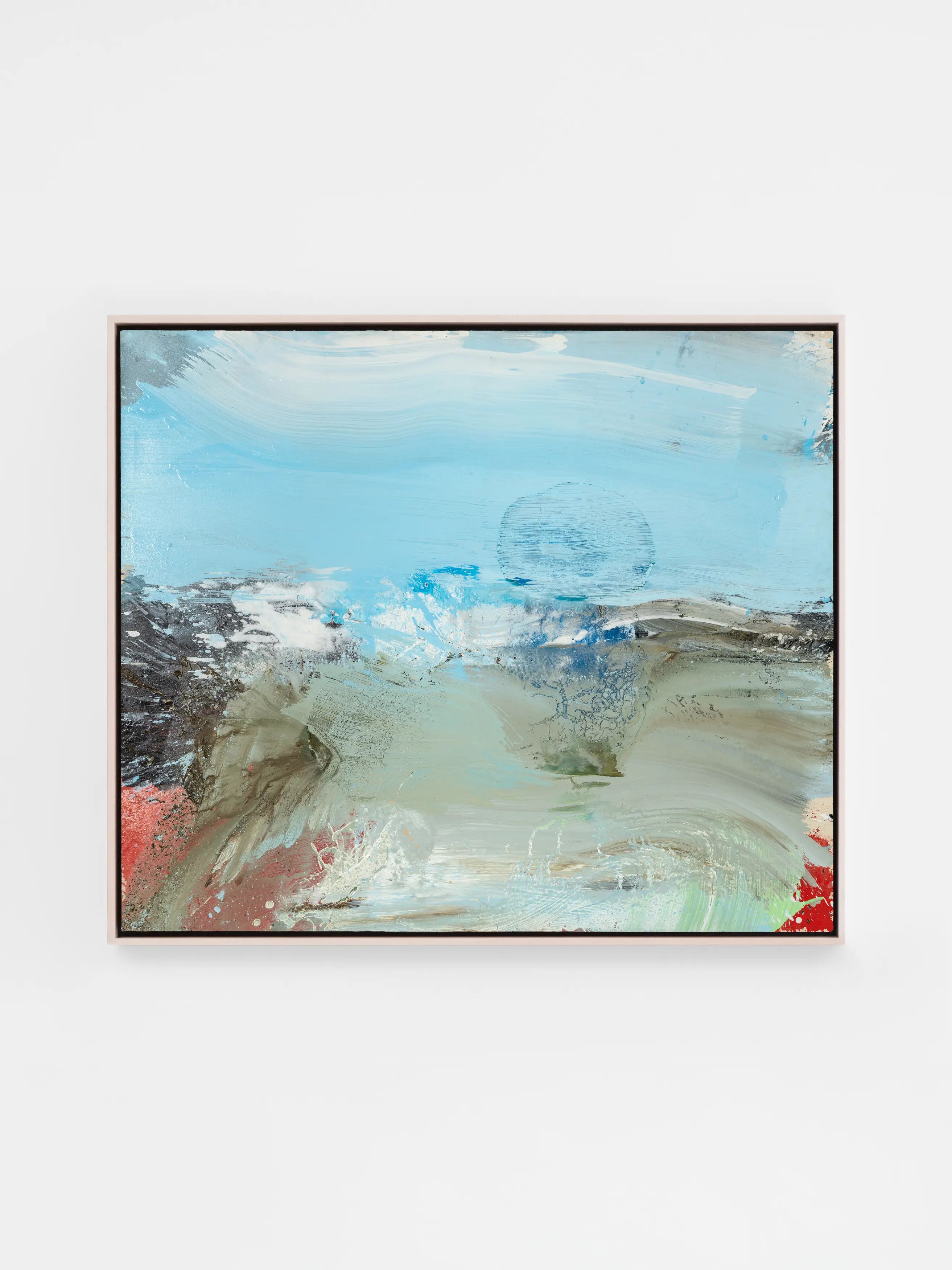
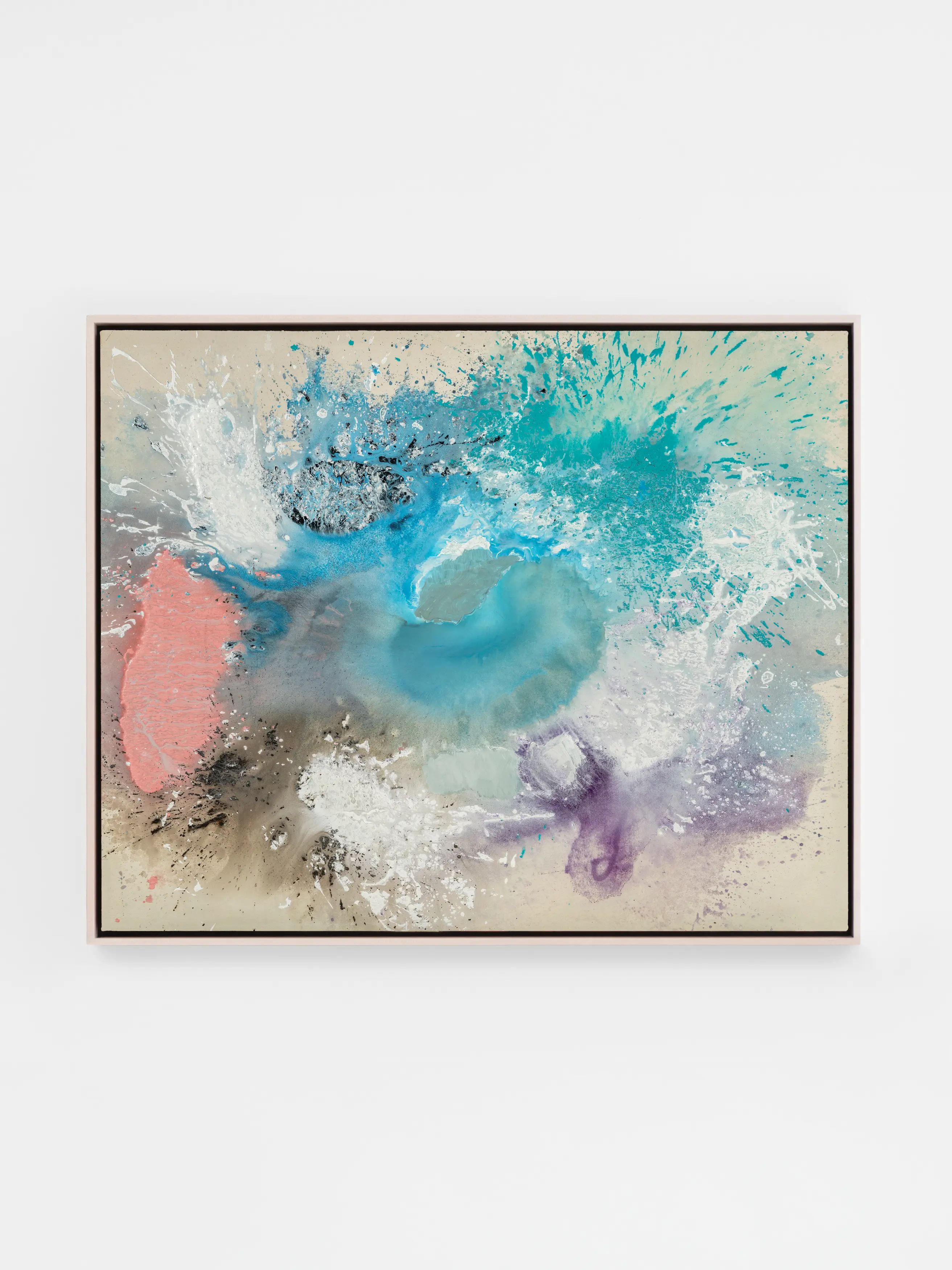
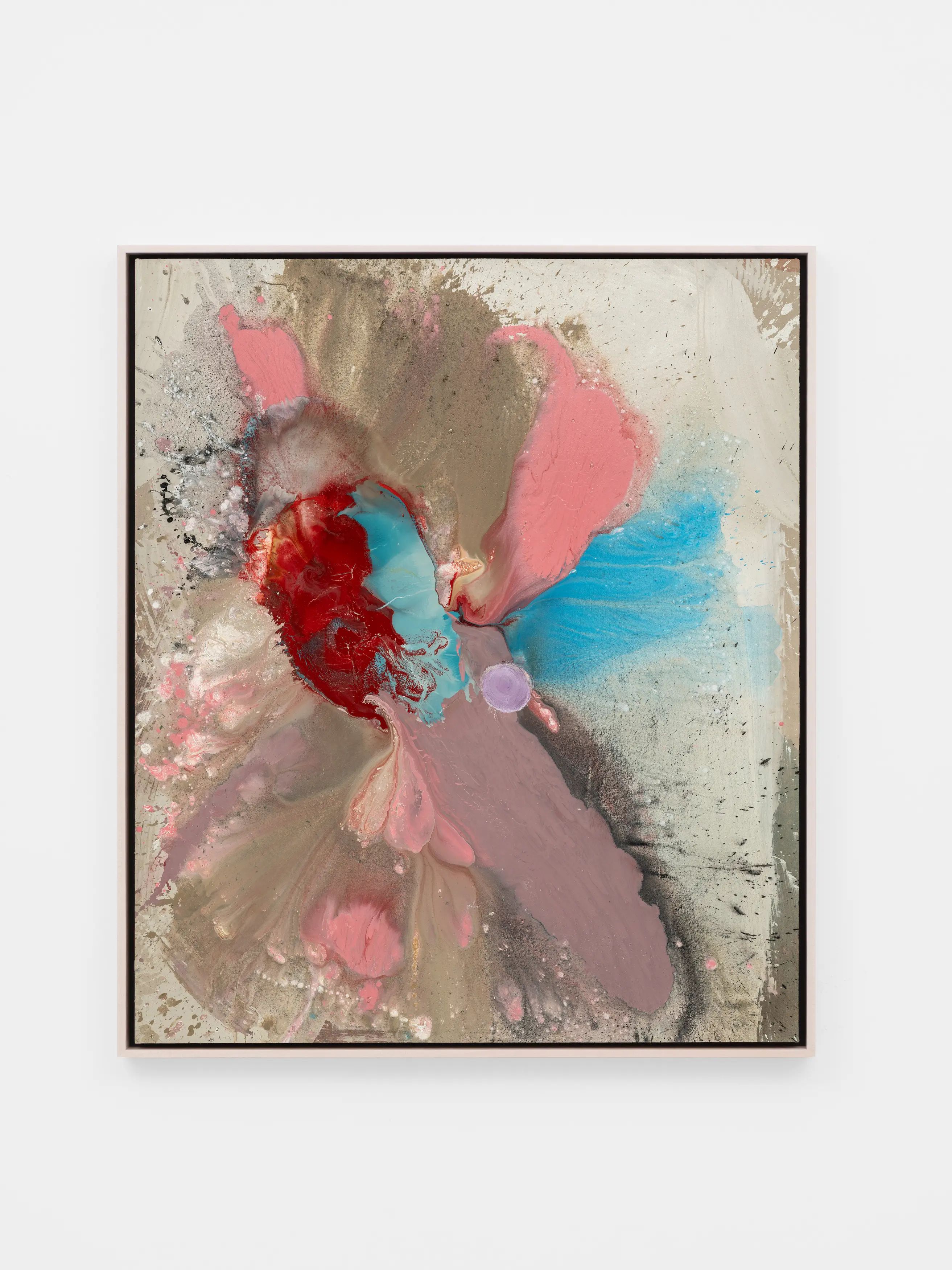
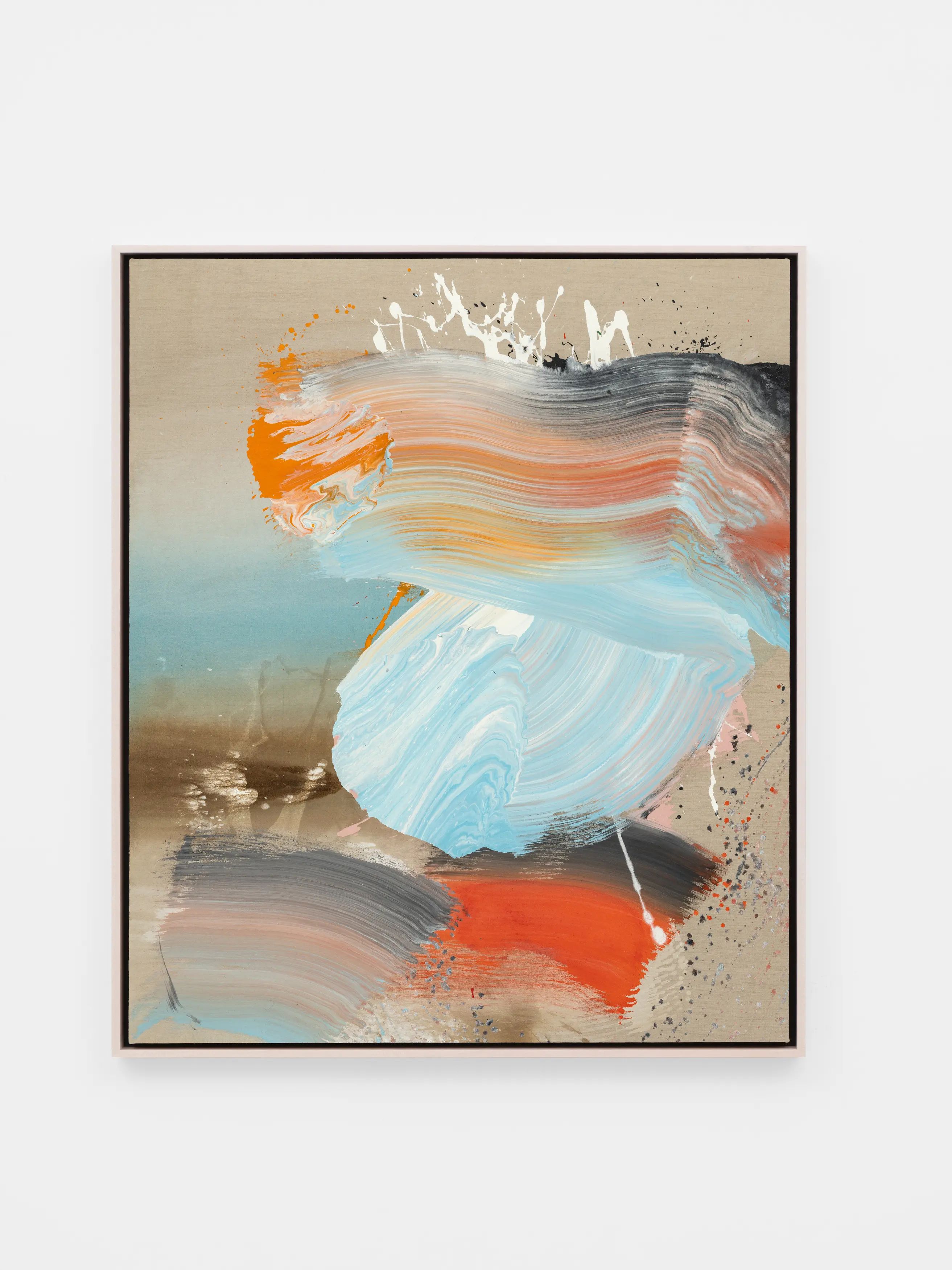
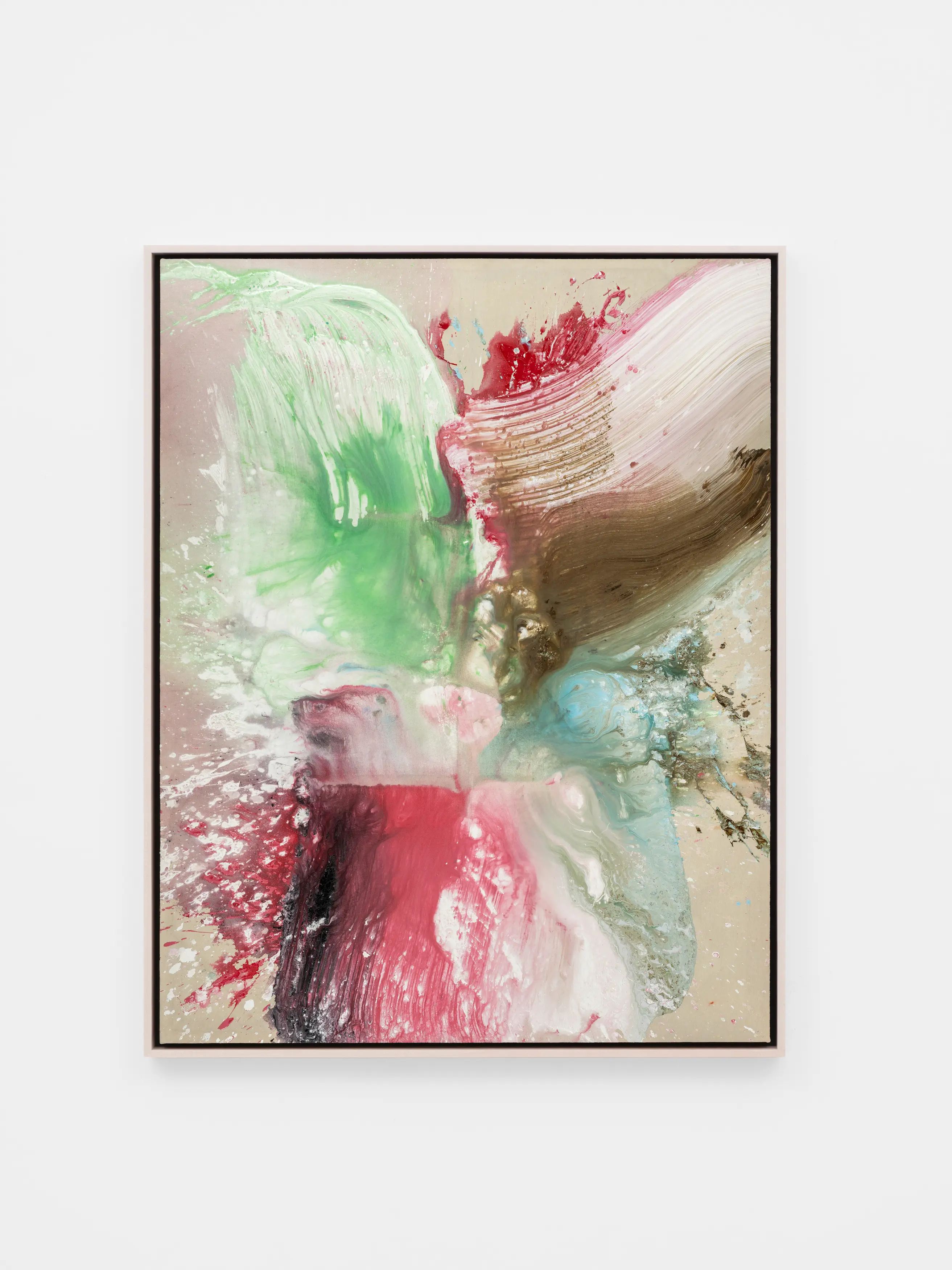
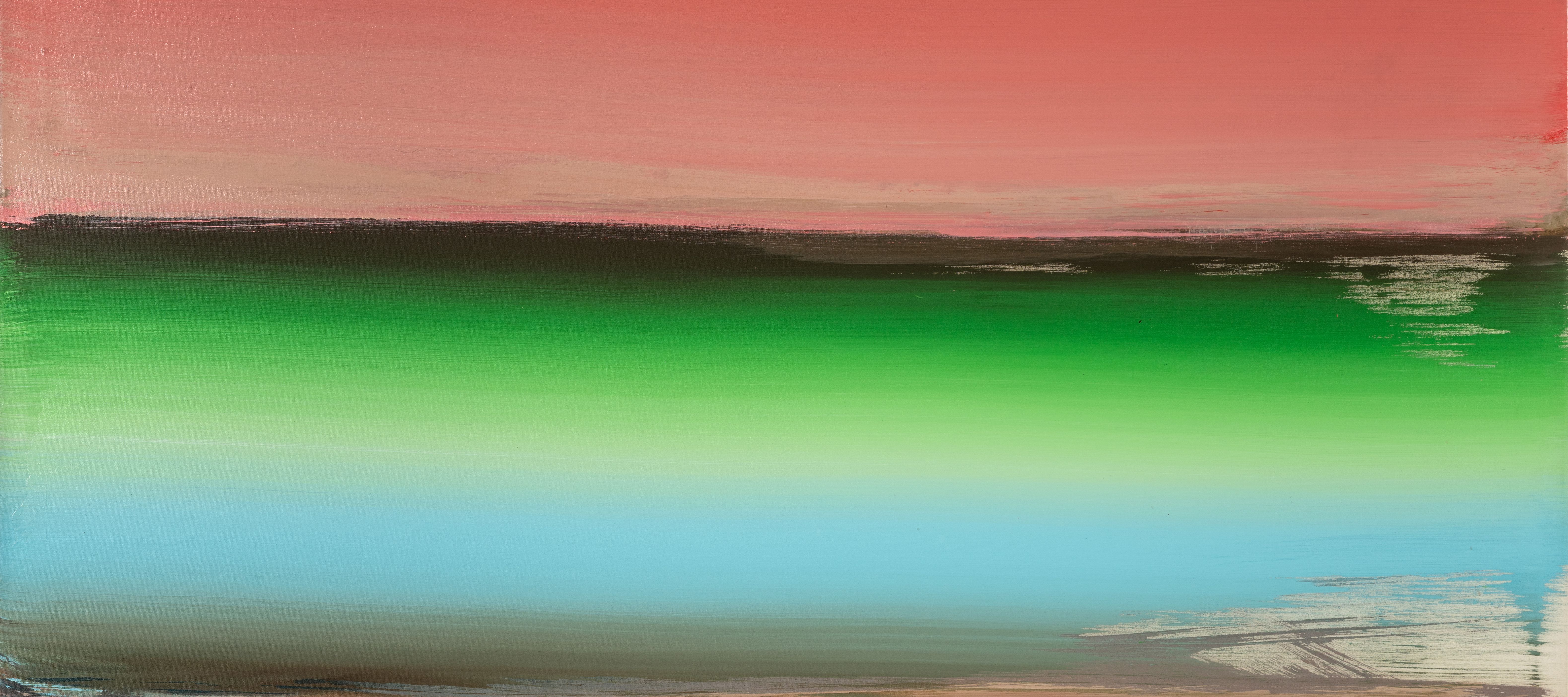
Ed Clark (1926-2019) emerged in the 1950s as a pioneer of the New York School. Over the course of seven decades, his experimentations with pure color, abstract form, and the seductive materiality of paint have yielded an oeuvre of remarkable originality, extending the language of American abstraction. Many of Ed Clark's paintings are created using a push broom, which allowed him to paint swiftly with a broad brushstroke, extending and accelerating the reach of the body. Clark’s artistic breakthroughs have a significant place in the story of modern and contemporary art: in the late 1950s he was the first American artist credited with exhibiting a shaped canvas, an innovation that continues to reverberate today. Defying the discreet categories of gestural and hard-edged abstraction, Clark has masterfully interwoven these approaches into a unique form of abstraction that was radically rethought in relation to both expression and improvisation.
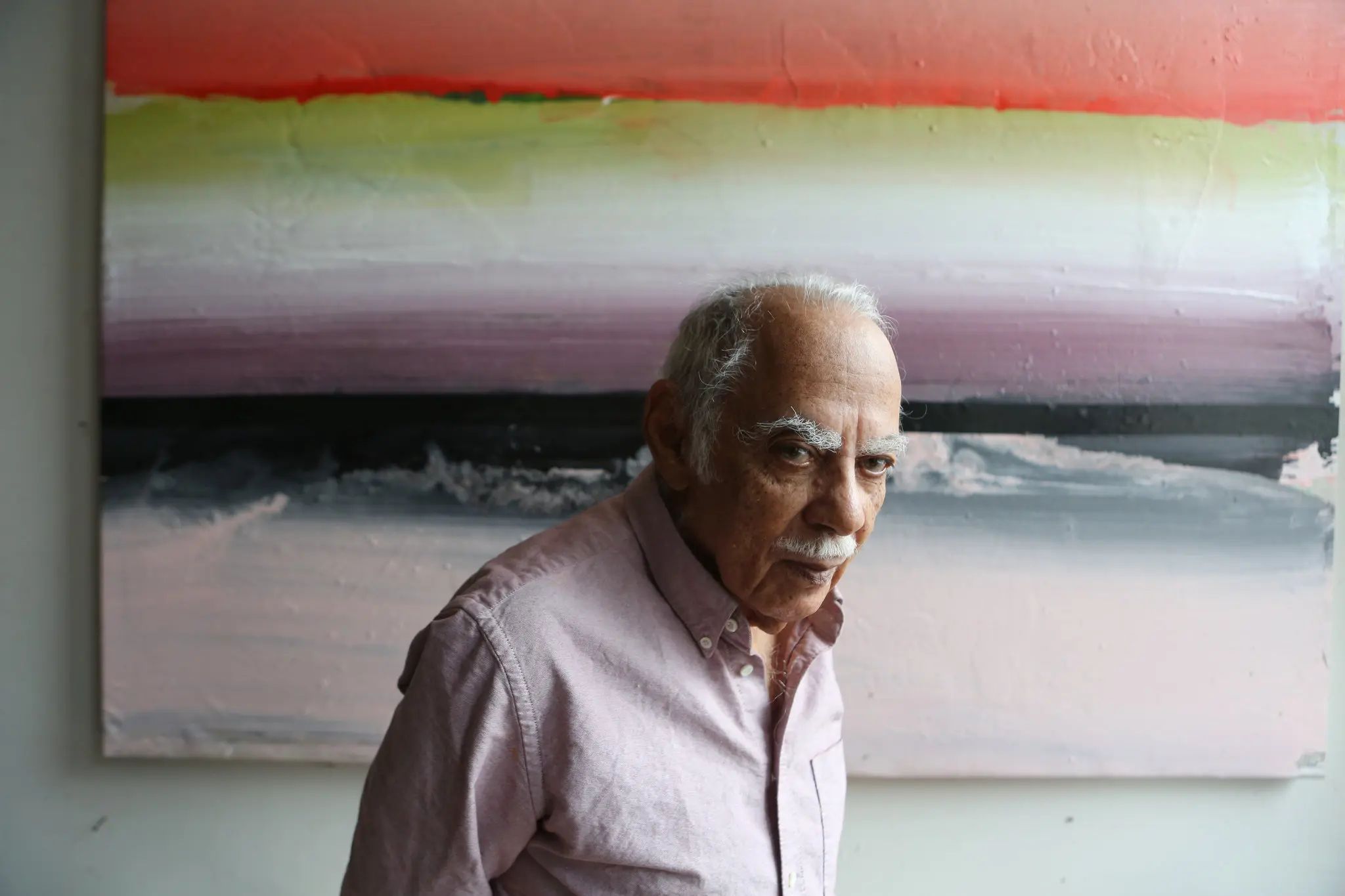
In 1943, Clark joined the United States Air Corps and served in Guam during World War II. Shortly after his return to the U.S., Clark enrolled at the Art Institute of Chicago where he studied painting as a veteran under the GI Bill. He continued his studies in Paris at the Académie de la Grande Chaumière in 1952, where he remained even after his GI Bill expired, as he felt it epitomized a society in which the color of his skin was less likely to determine his artistic career. Alongside an expanding community of expatriate artists and writers, including fellow African American artists Beauford Delaney, Richard Wright, James Baldwin, and Barbara Chase-Riboud, Clark embraced Paris as the “...freest of cities and a true magnet for artists. We would meet among artists of all countries, with no distinction of class, race or political ideology. We were artists, nothing else.” Similarly, Clark´s luminous canvases live in an environment of absolute freedom, “cutting through everything…”. Already exhibiting non-figurative painting in the 1950s, with “a taste for raw painting” during his Paris years that he would carry forward for the rest of his career.
Clark moved to New York in 1956 , where over the next decade he became part of the city’s dynamic downtown scene and was a founding member and an exhibitor of the Brata Gallery, an artist-run cooperative among the Tenth Street galleries of the East Village. From the late 1960s onwards, Clark split his time between New York and Paris. His canvases from this period embrace the light, energy, and unique palettes of these cities as developed a catalogue of gestures—musiciality, speed, diretionality—that he would use to reinvent abstraction throughout his career. Other notable series from Clark’s global expeditions include China series, Egyptian series, Nigerian series, Louisiana series, Mexican series, Midi series, Moroccan series, New Orleans series, New York series, Paris series, and the Yucatan series. Beginning with his time in Crete, where he visited with Jack Whitten, Clark underwood the color of his works as inextricably tied to these locations, often changing drastically, in unconscious ways, from place to place, and series to series.
Ed Clark began to receive increased recognition beginning in the 1970s and his would later be acquired by numerous institutional collections, including The Art Institute of Chicago (IL); The Detroit Institute of the Arts (MI); The Studio Museum in Harlem (NY); The Metropolitan Museum of Art (NY); The Museum of Modern Art (NY); and The Pérez Art Museum (FL), among others.
For more information, please contact Andrew Blackley [andrew@salon94.com]