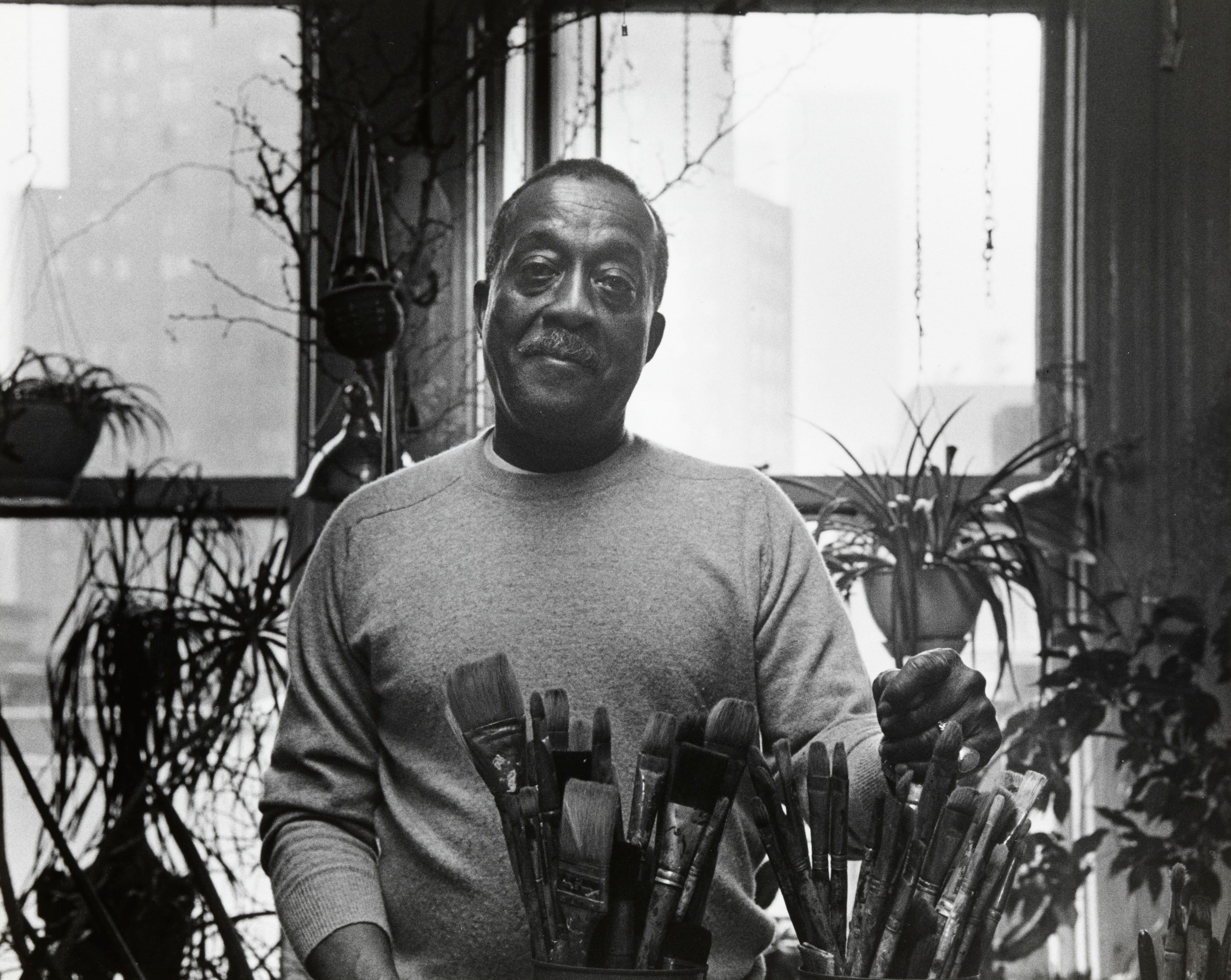
Norman Lewis
b. 1909 – d. 1979
Born in New York, NY
Artwork
Exhibitions
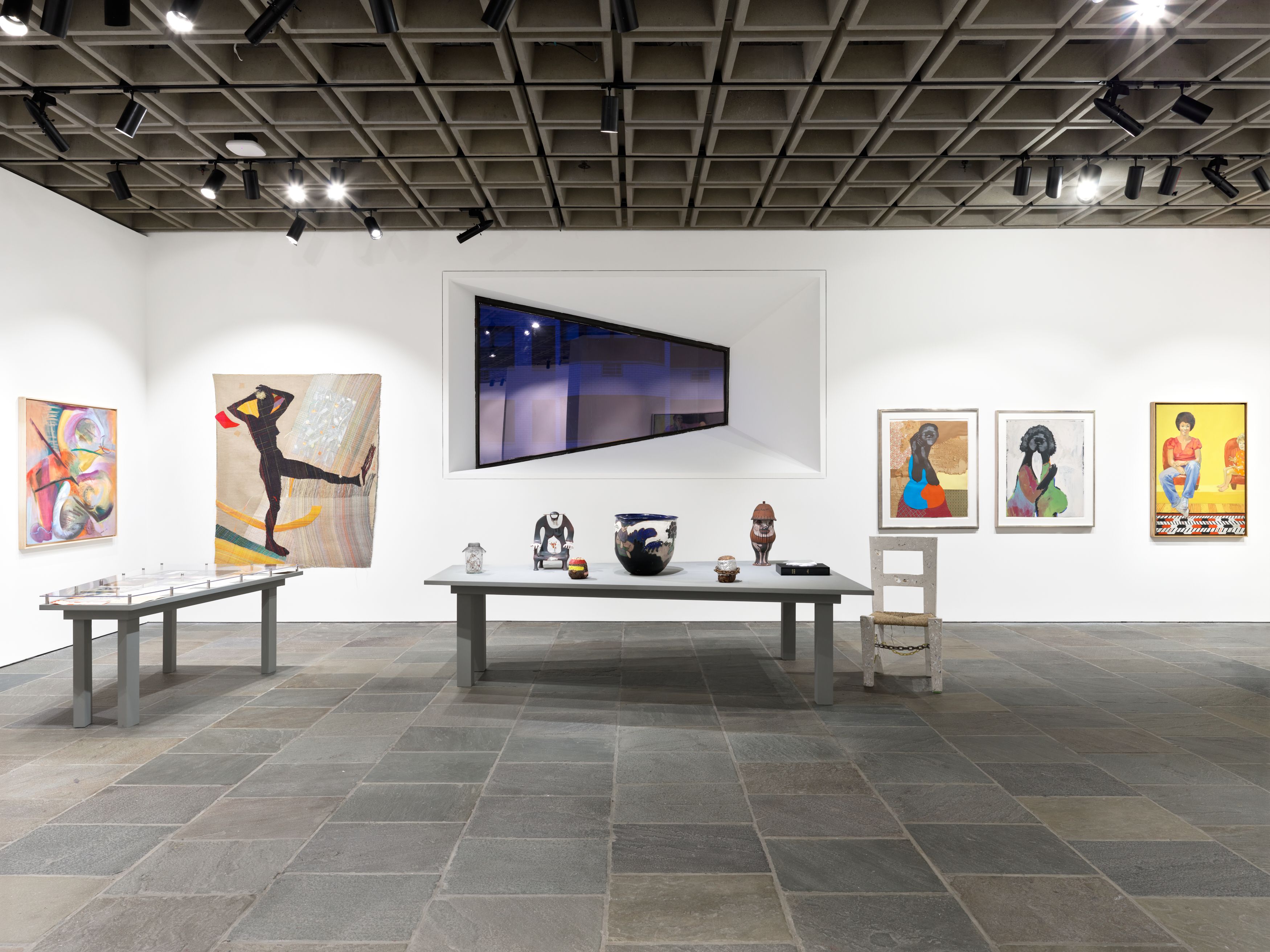
Independent 20th Century 2026
Biography
Norman Lewis (b. 1909, New York, NY). During the mid-1940s New York painter Norman Lewis abandoned the social realist style that he had pursued for more than a decade, having decided that painting “an illustrative statement that merely mirrors some of the social conditions” was not an effective agent for change. Around 1946 he began exploring an overall, gestural approach to abstraction, establishing himself as the only African American among the first generation of Abstract Expressionist artists.
Lewis was an experimental Black artist painting at a time when he and his colleagues were expected by many to contribute to the cause of equality and social and political justice through their work. Early drawings of African sculpture, made in response to seeing works on view at MoMA in 1935, as well as work dating to the Great Depression, speak clearly to Lewis’s exploration of personal identity and commitment to improving the lives of Black Americans. His activism toward this end extended throughout his life and increasingly focused on the plight of other artists. He protested the Metropolitan Museum of Art’s organization of a 1968 exhibition on Harlem that included no art by the people living and creating there, and founded the Cinque Gallery with colleagues Romare Bearden and Ernest Crichlow, specifically aimed at providing exhibition opportunities for emerging Black artists. Developing and maintaining communities of support was clearly important to Lewis, but he was steadfast in his opinion that decisions of subject matter and visual style should remain with the artist: “Political and social aspects should not be the primary concern; esthetic ideas should have preference”.