TEFAF 2026
Installation Views
Artwork
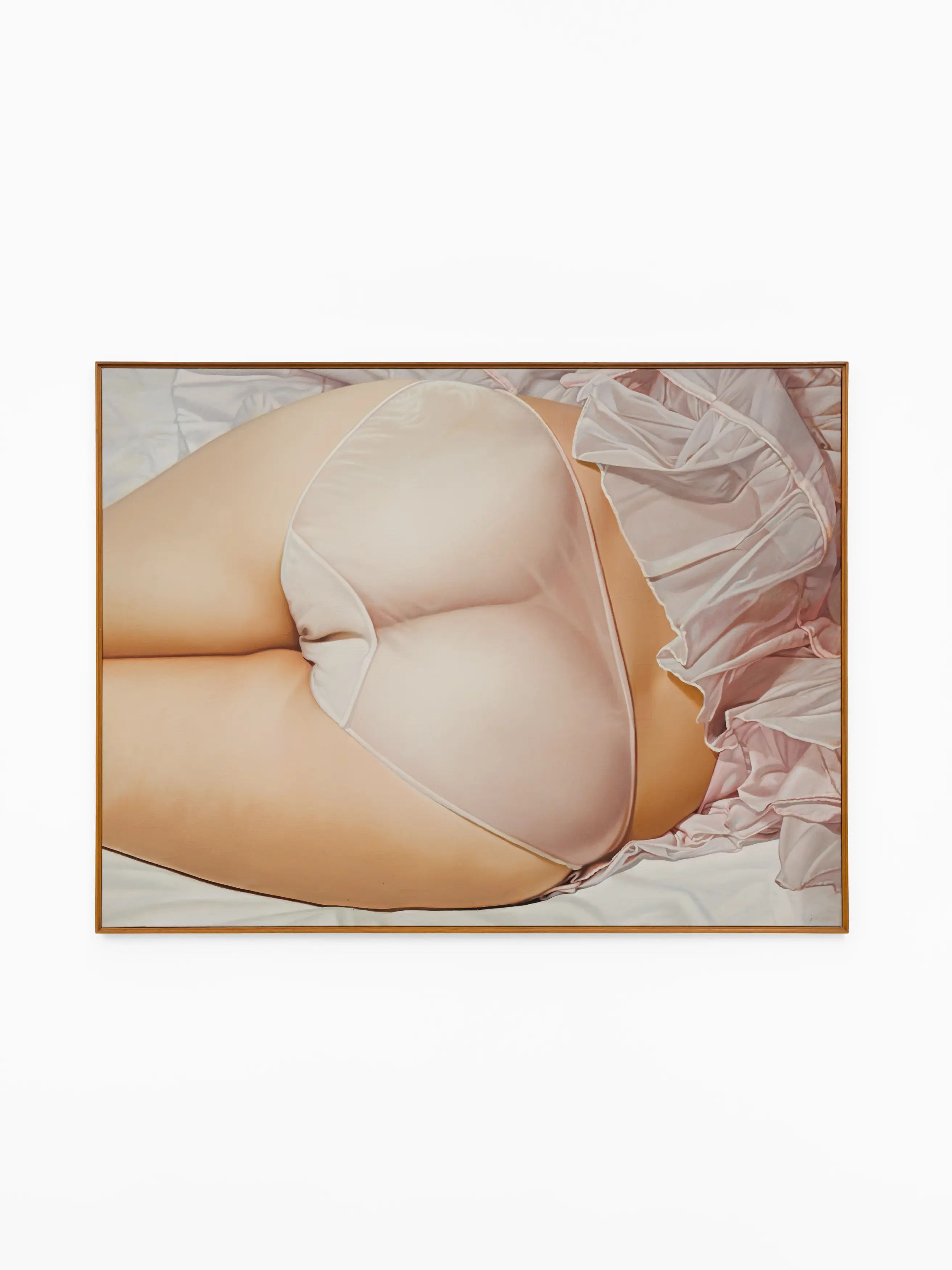
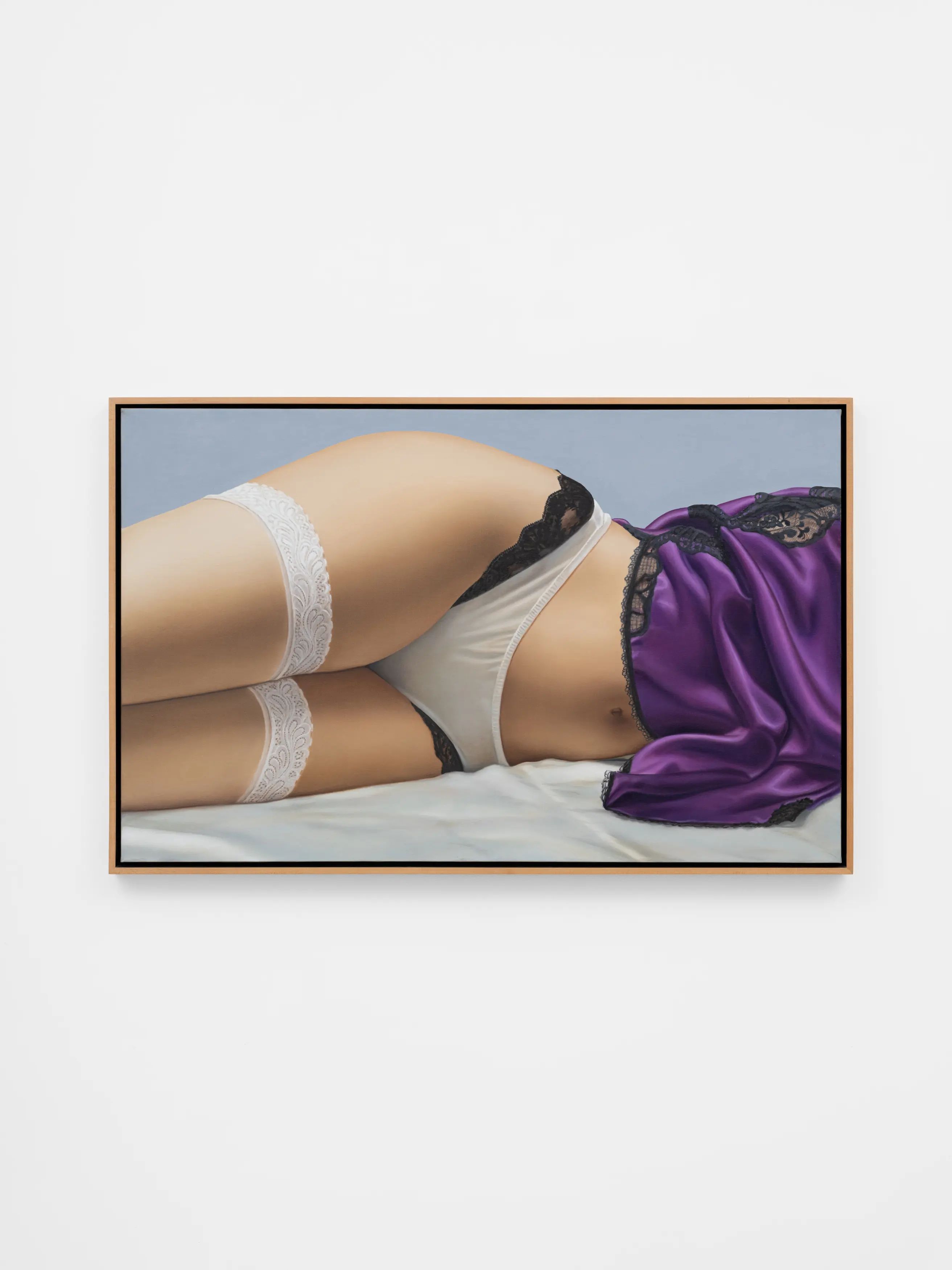
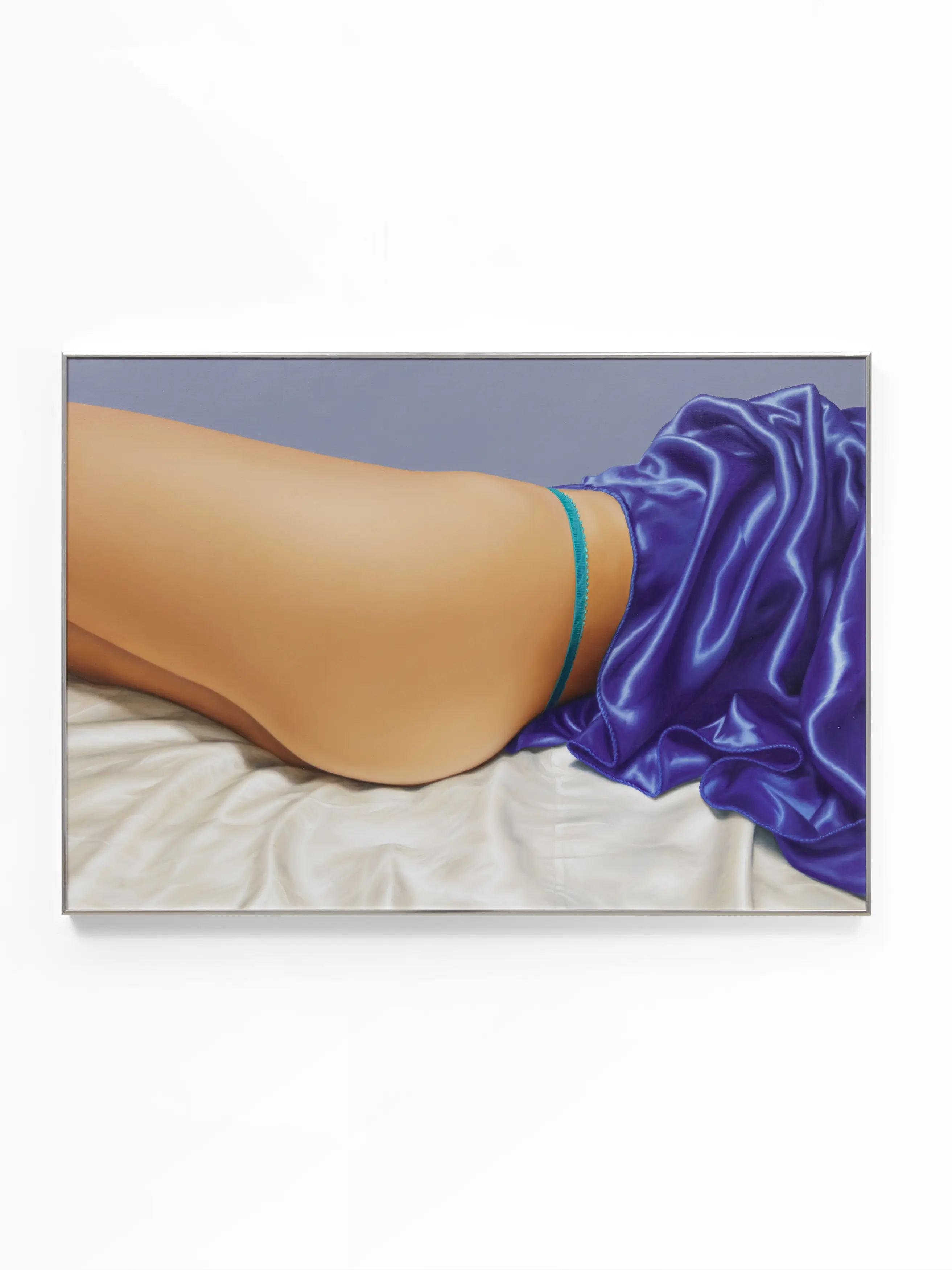
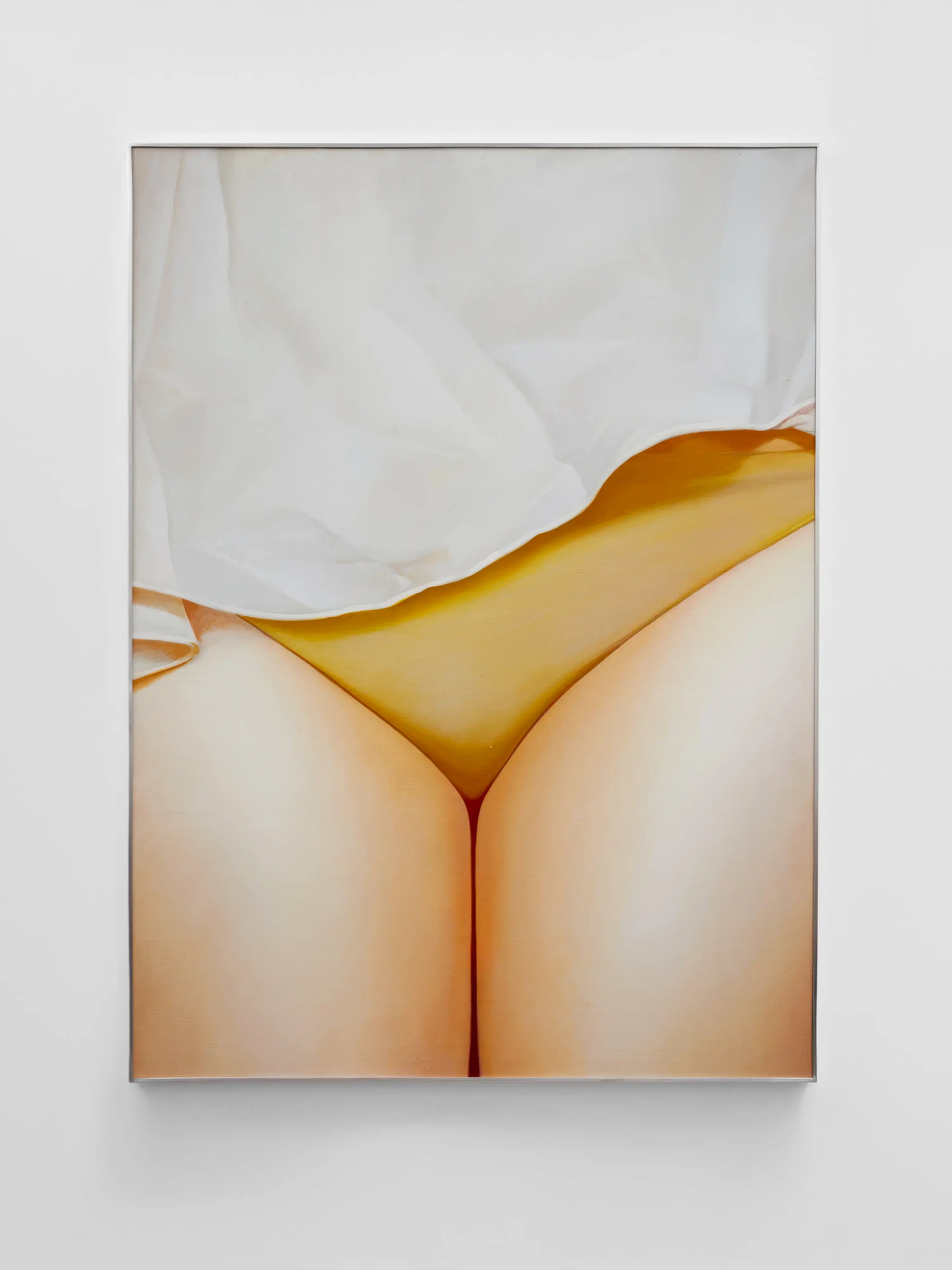
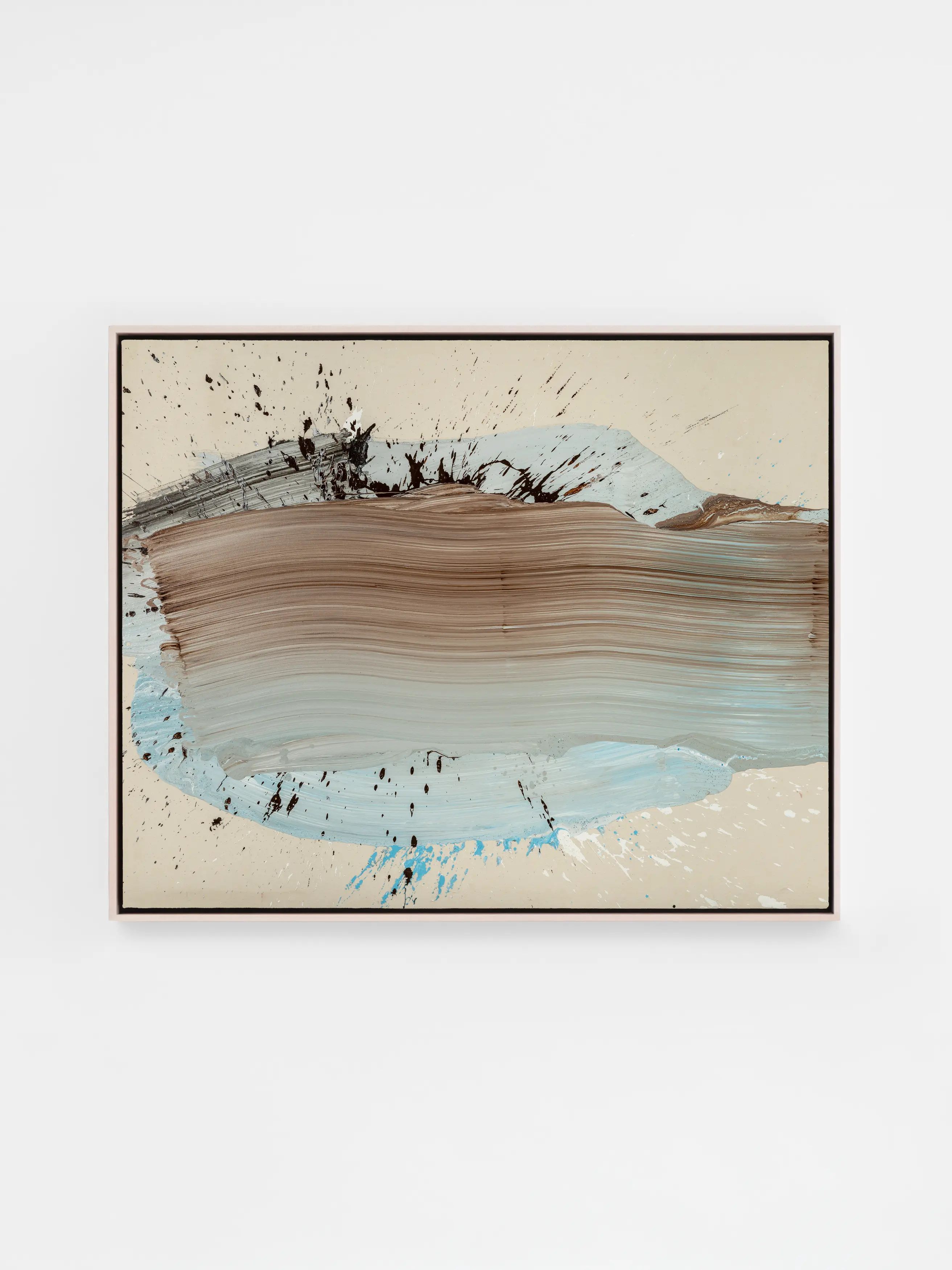
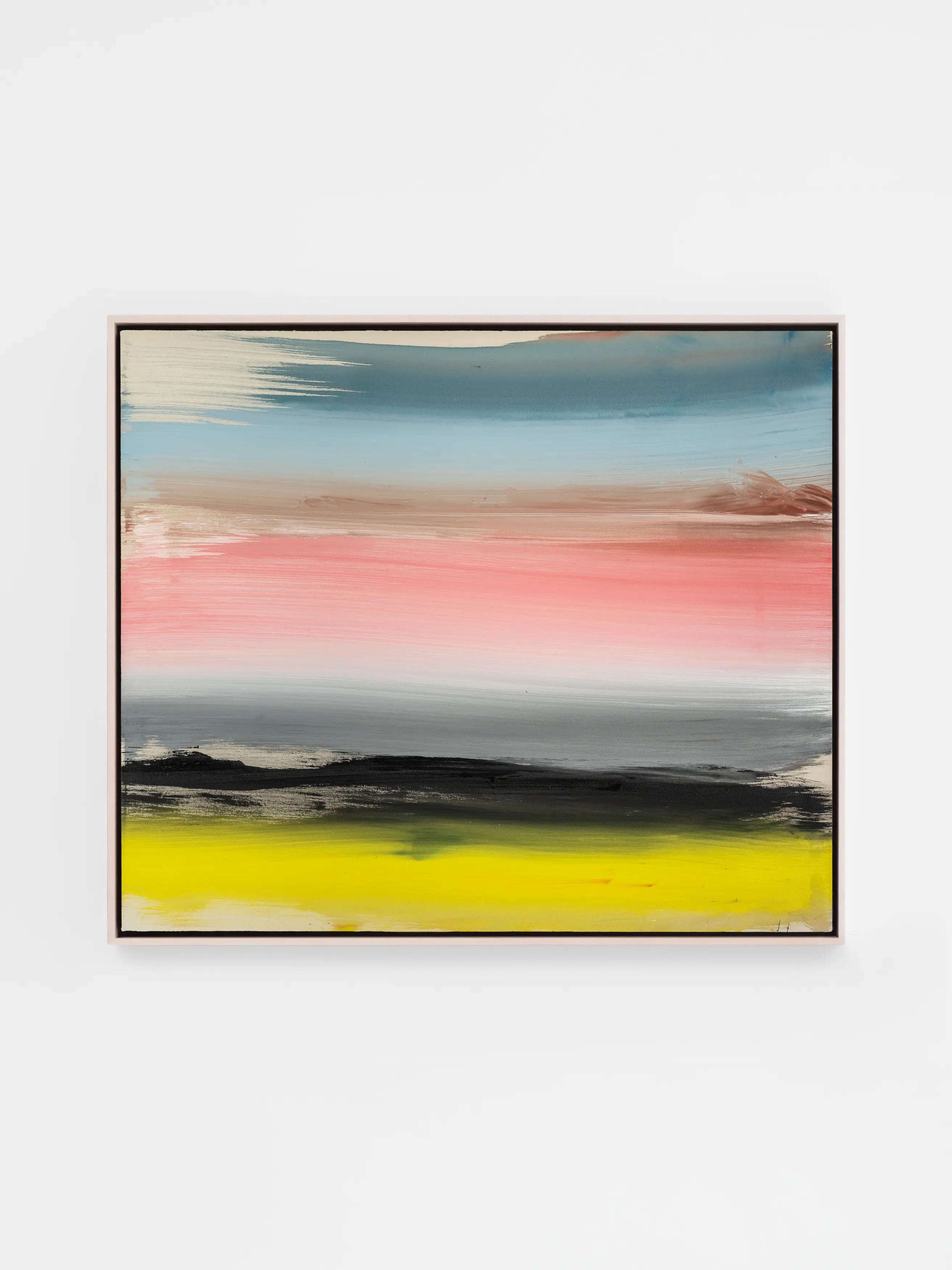
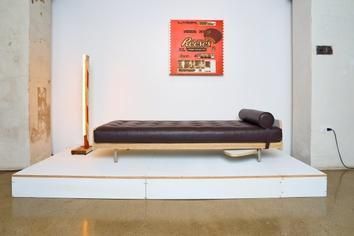
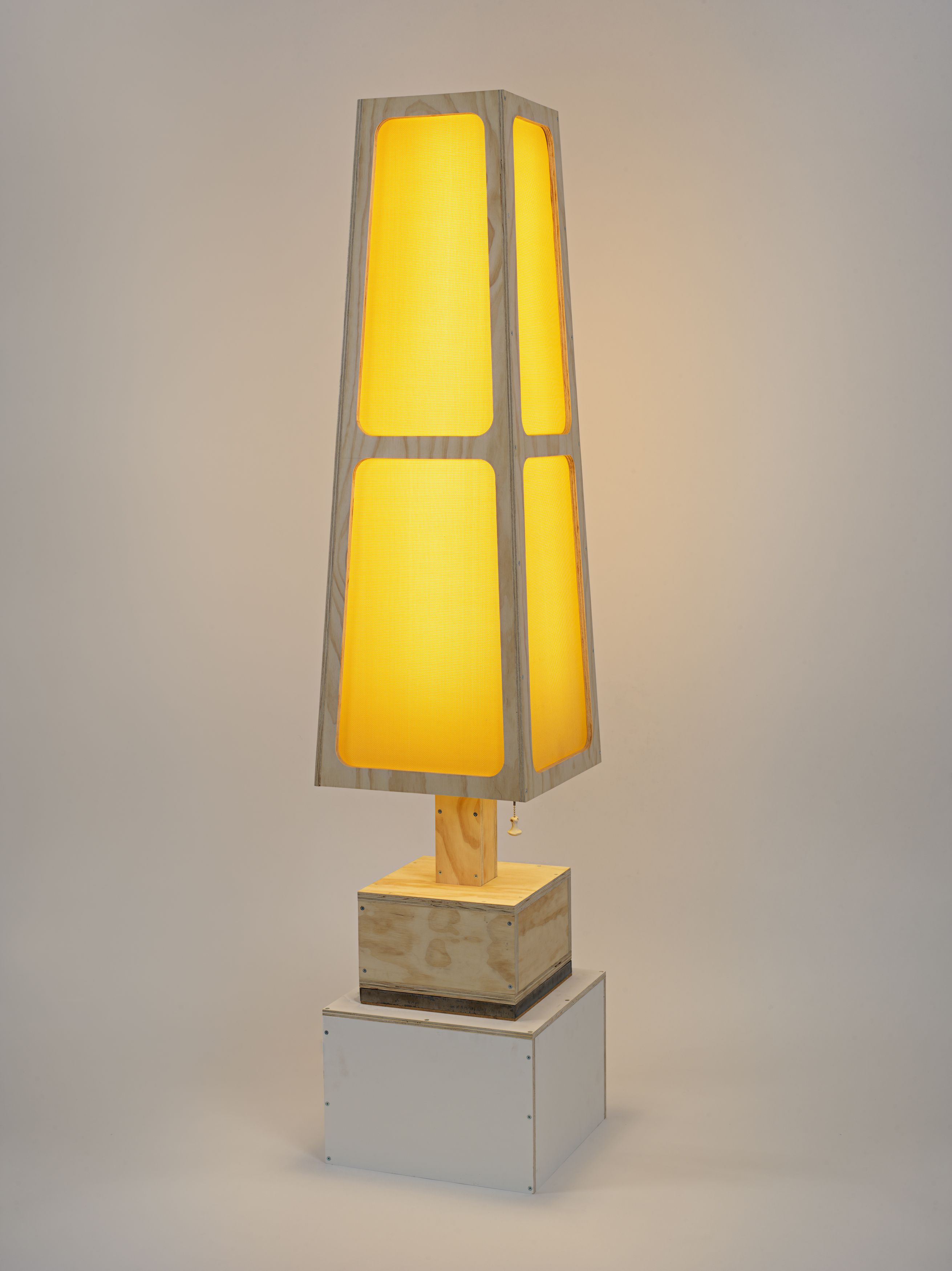
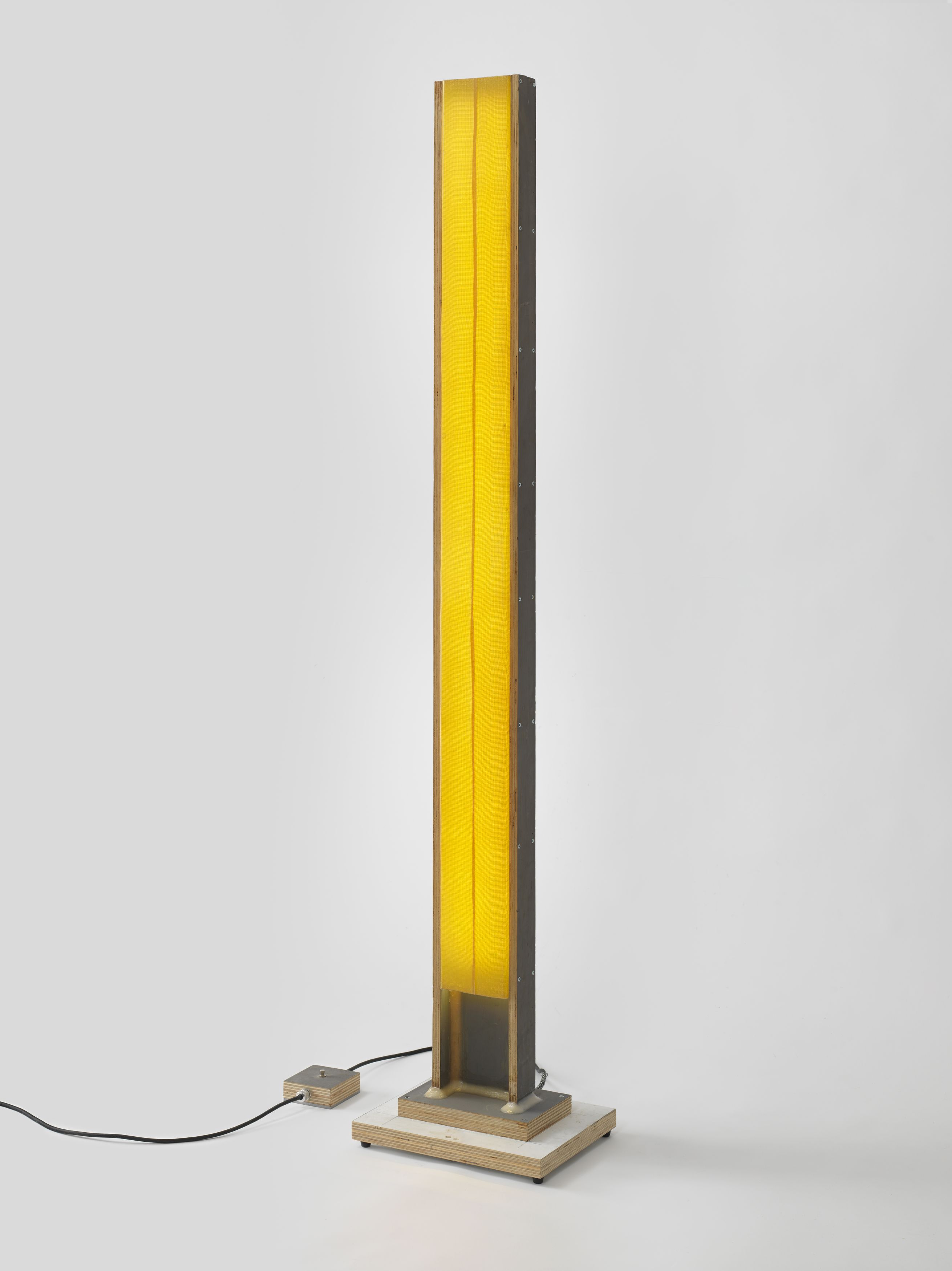
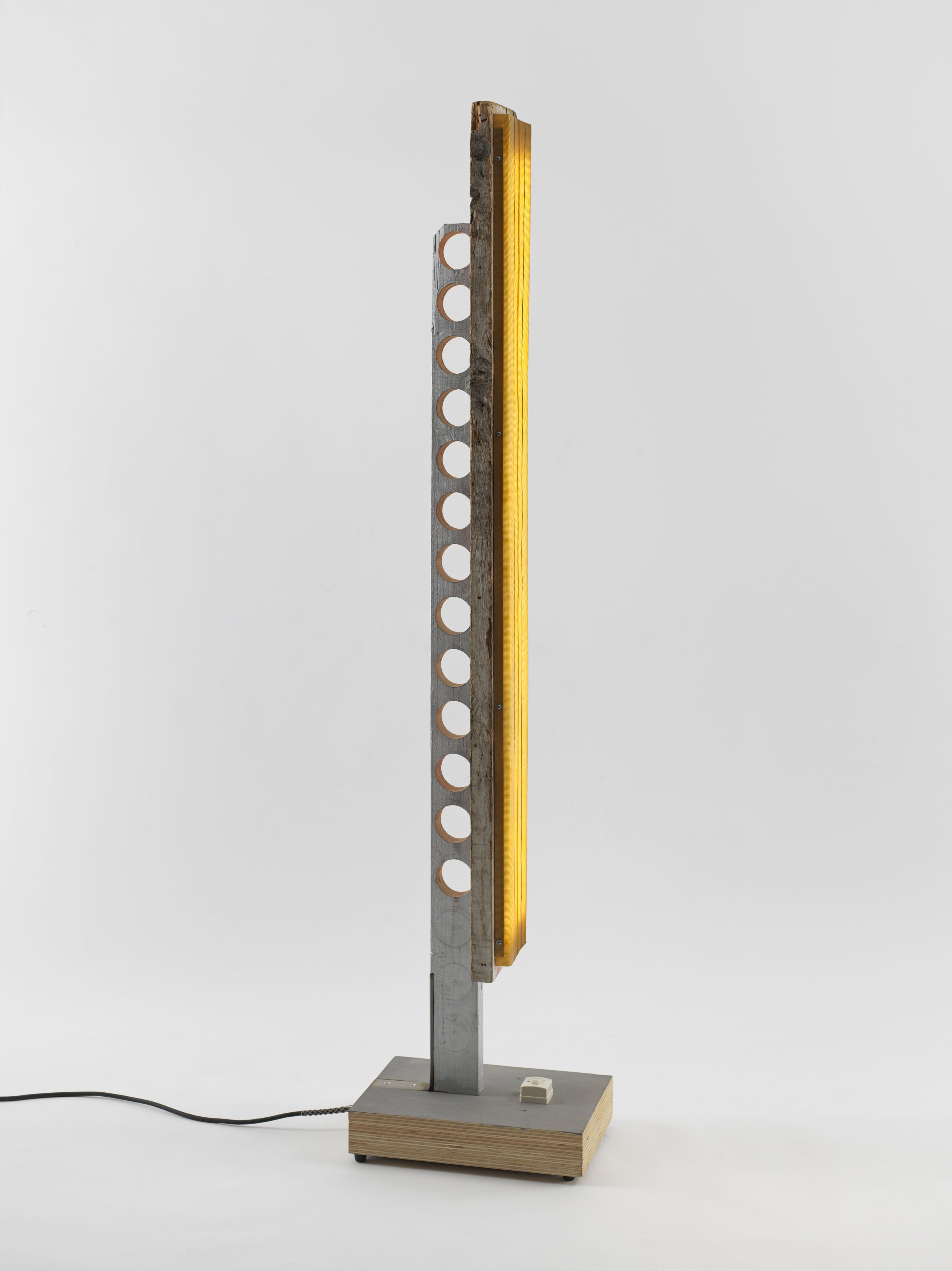
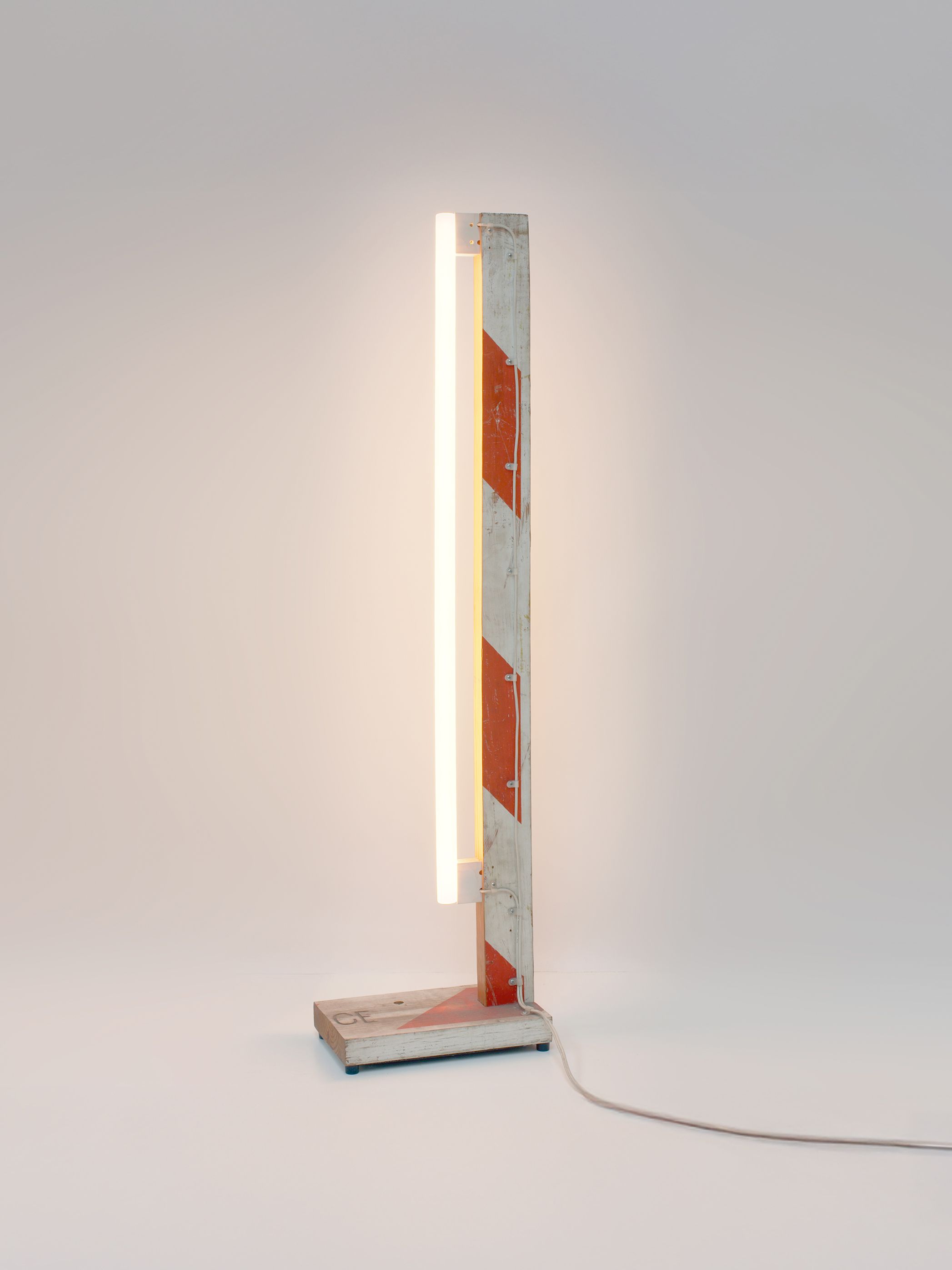
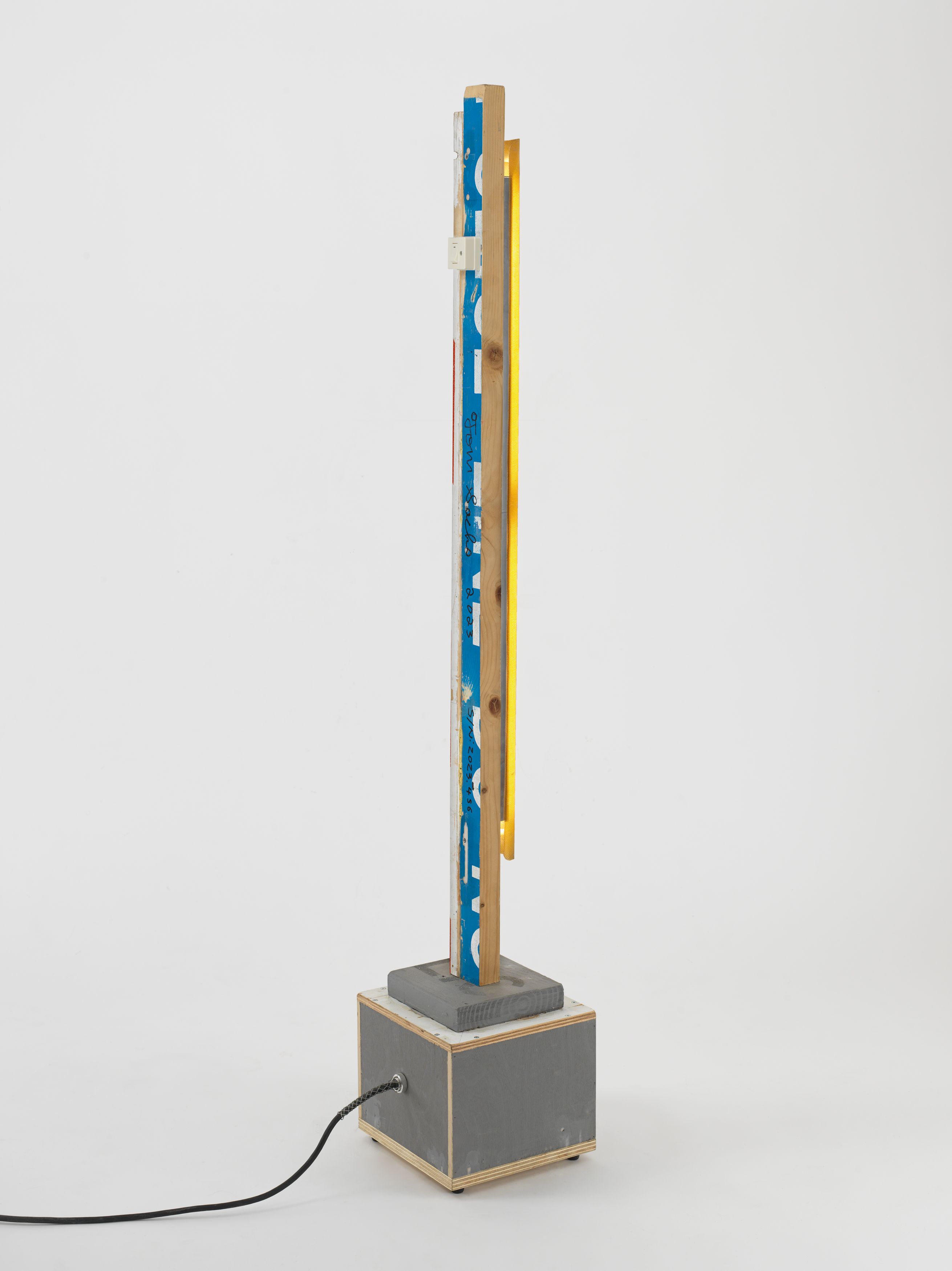
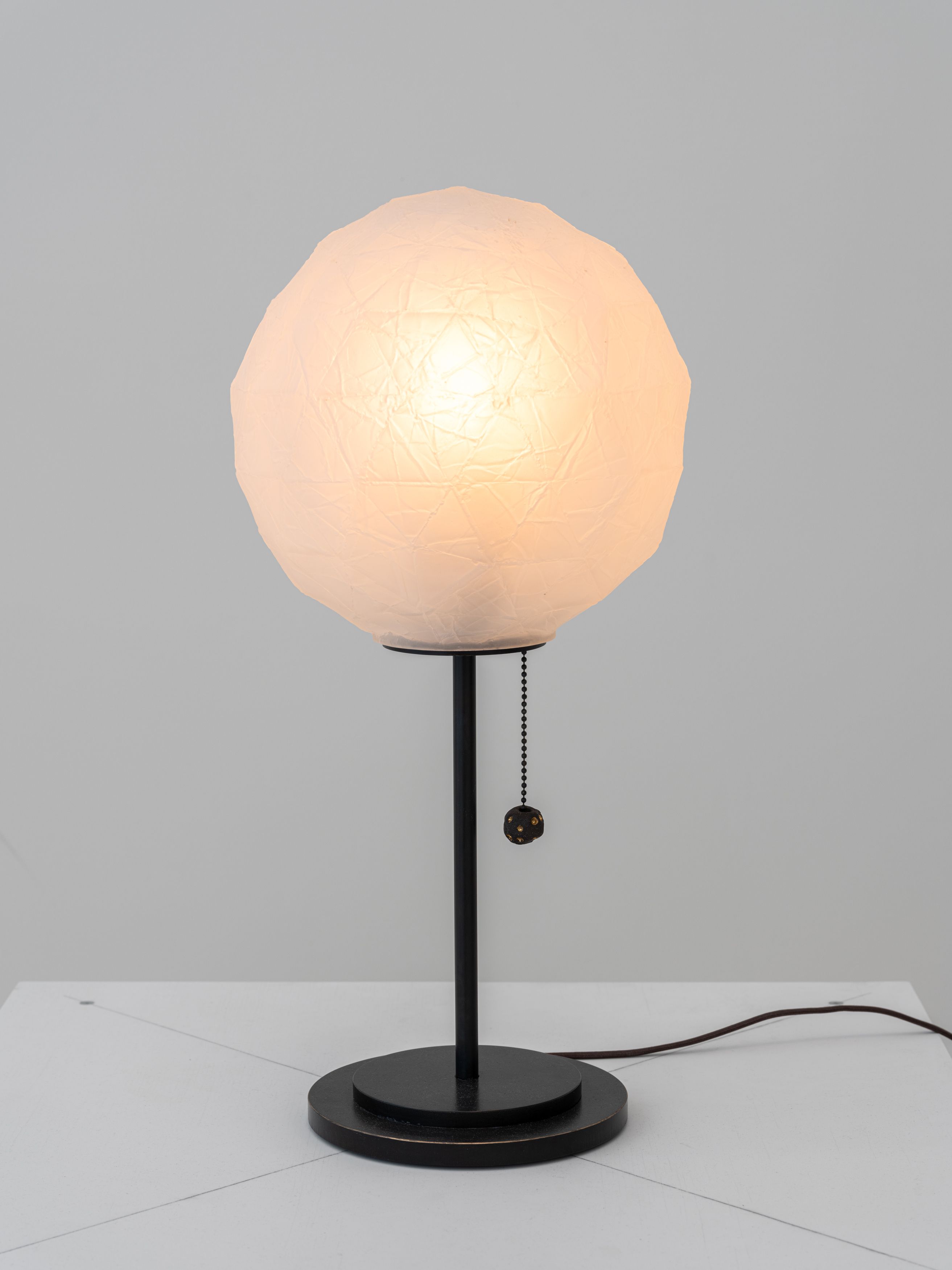
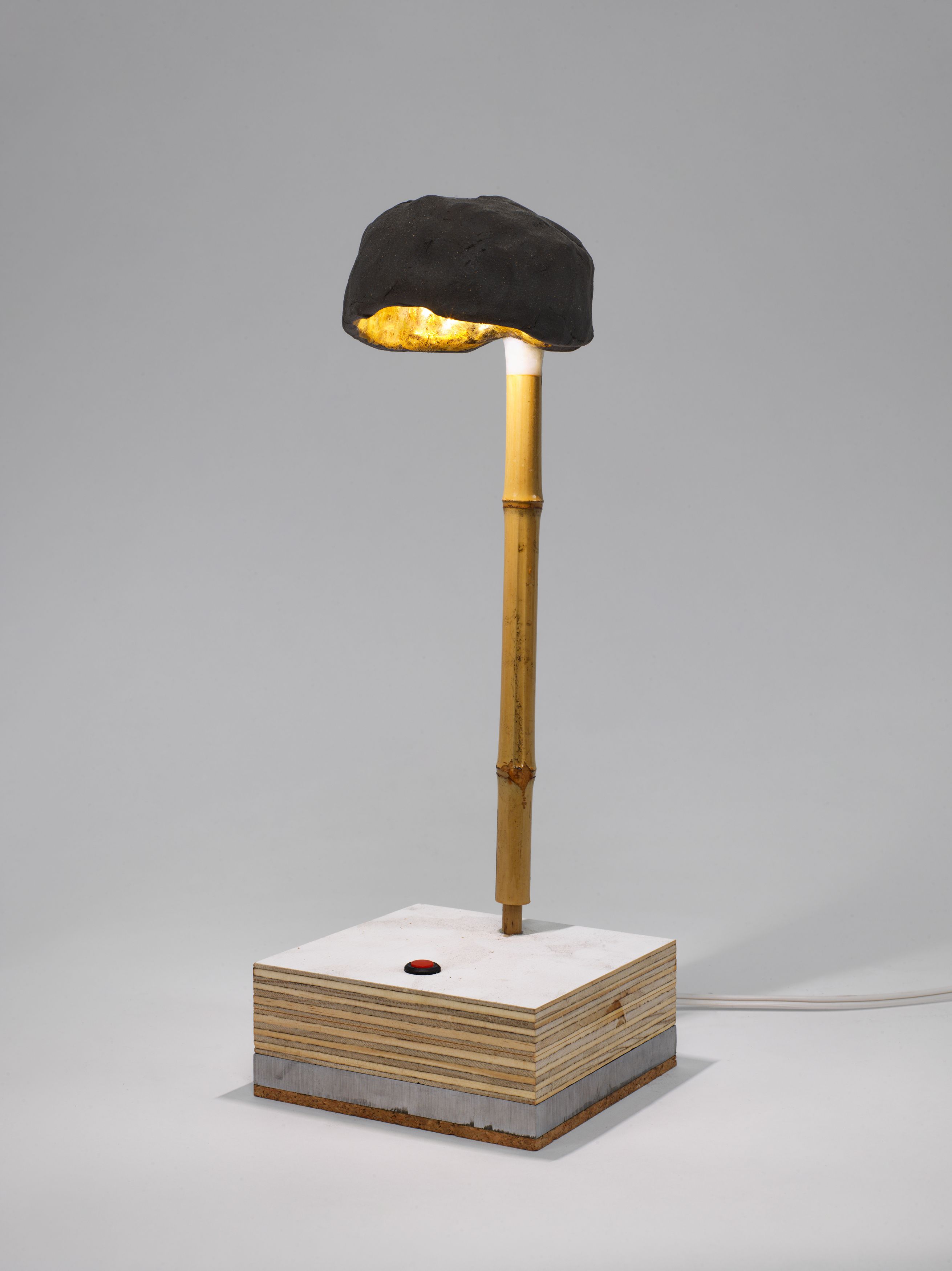
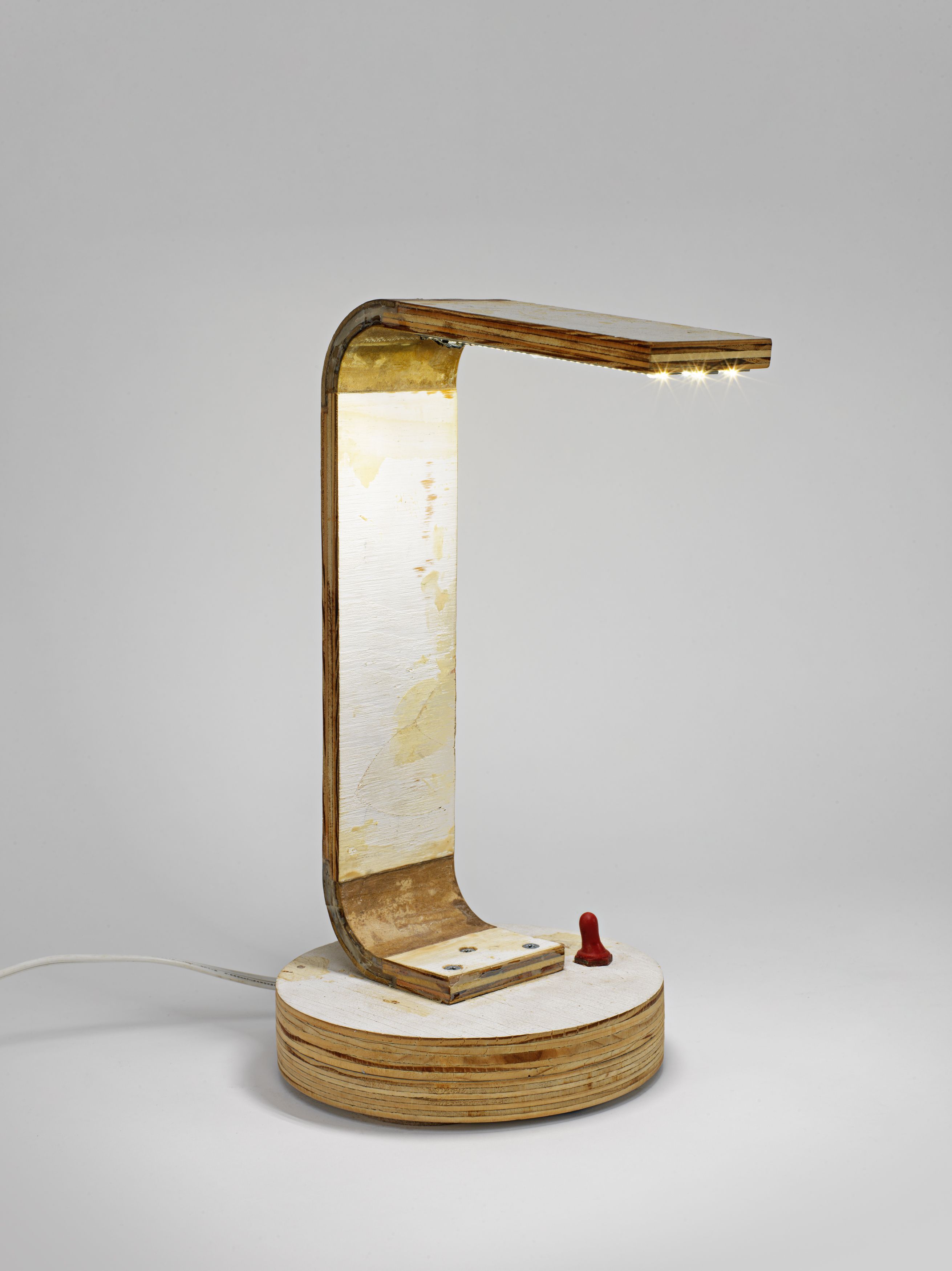
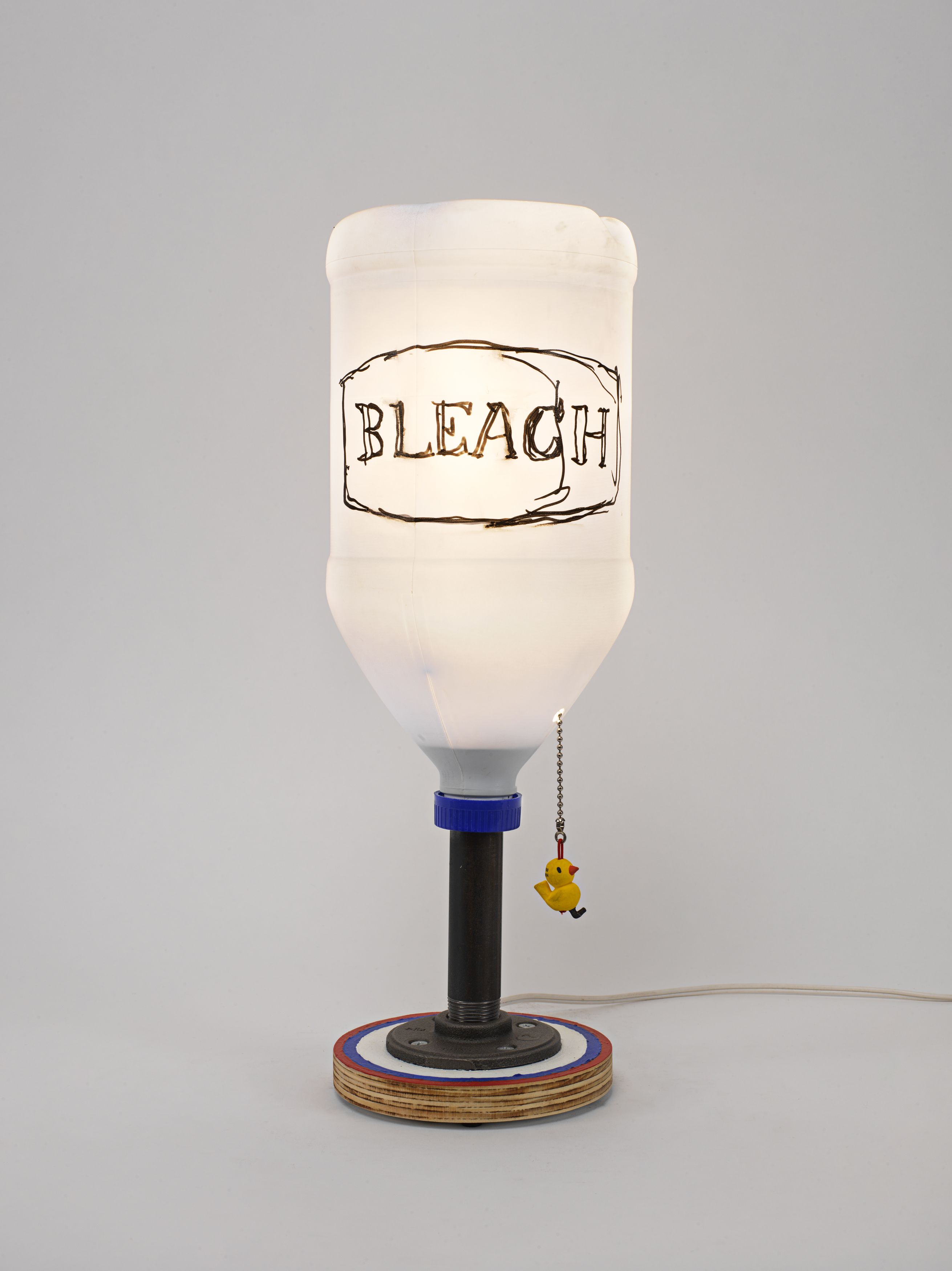
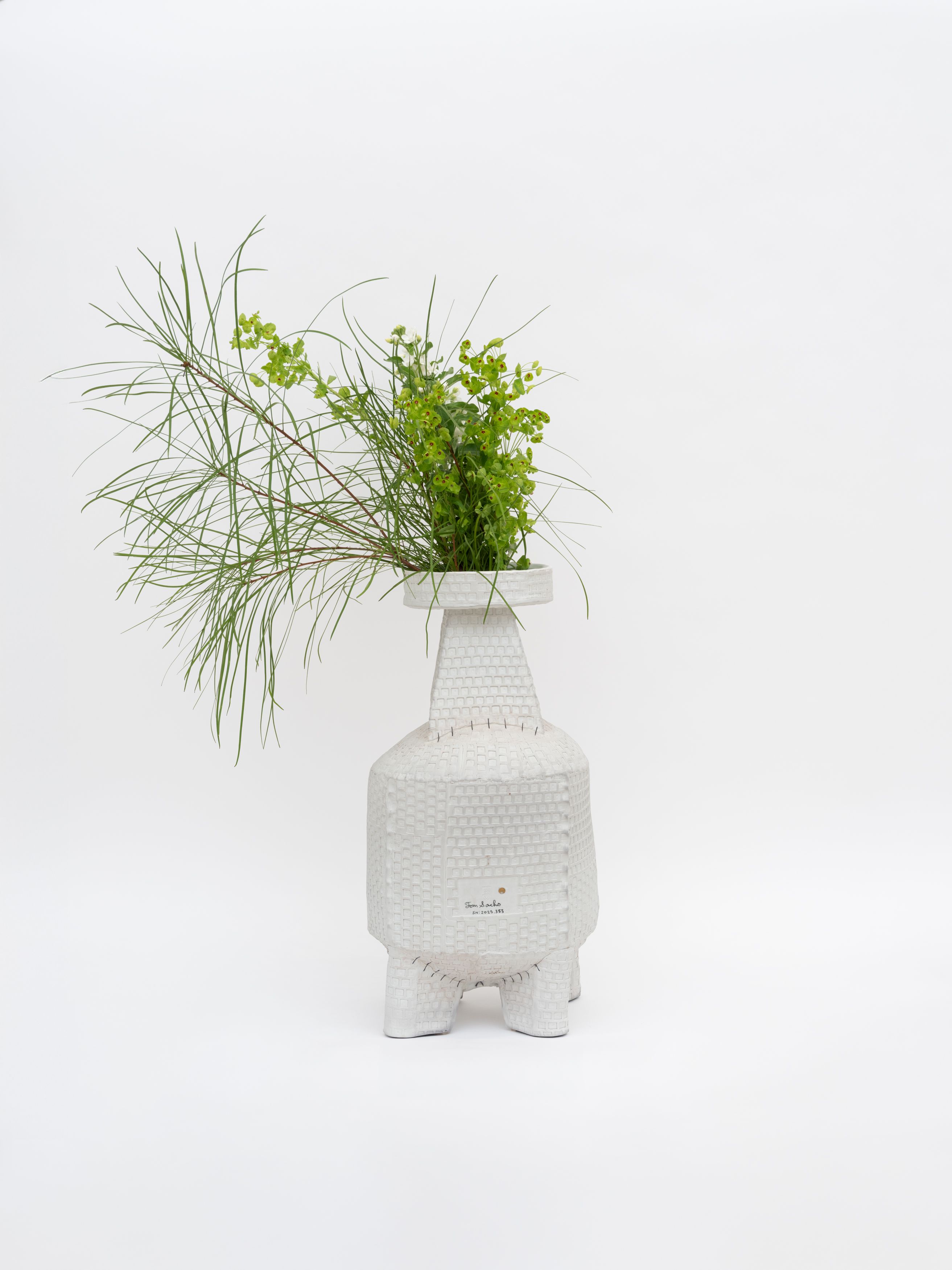
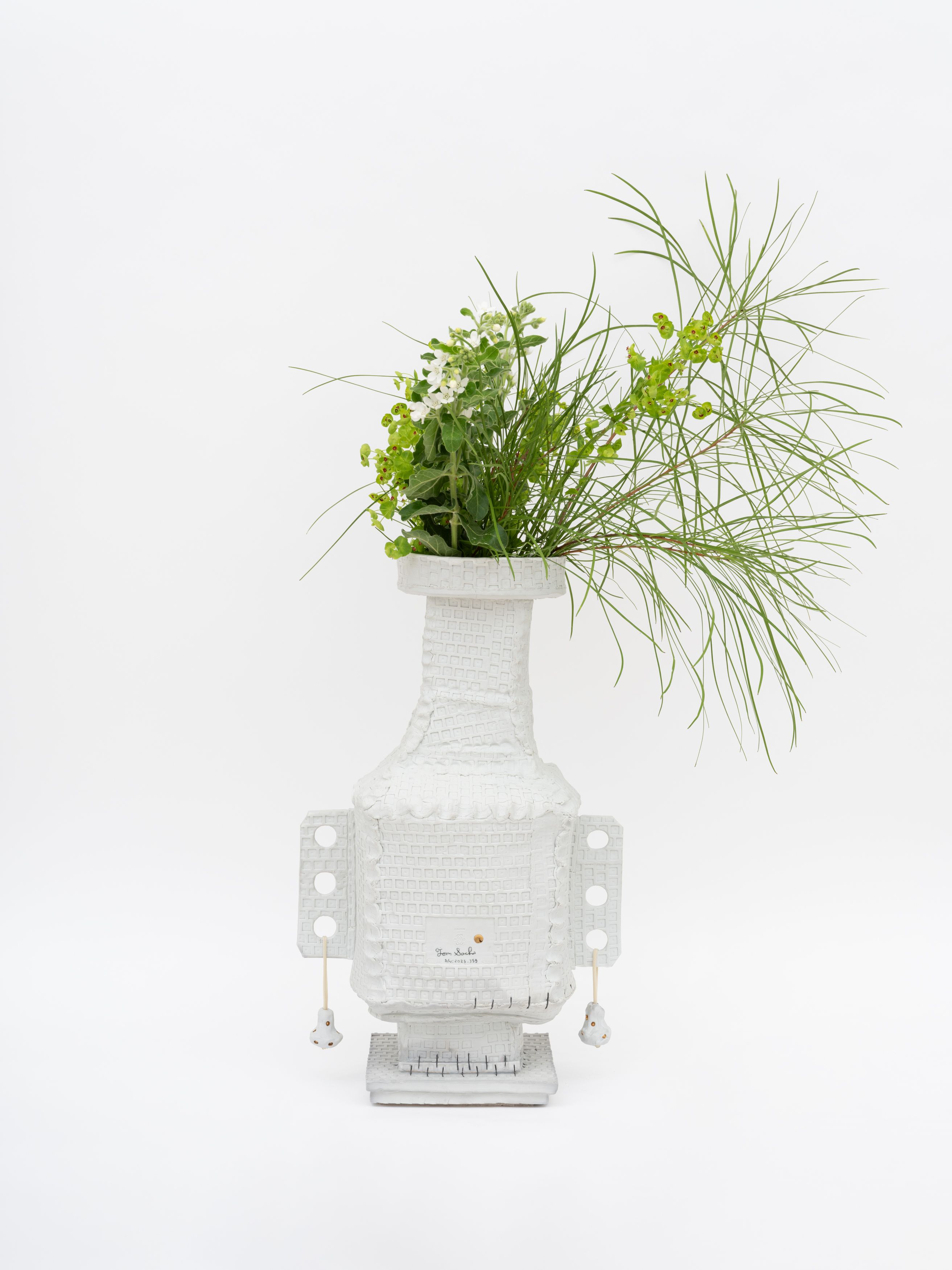
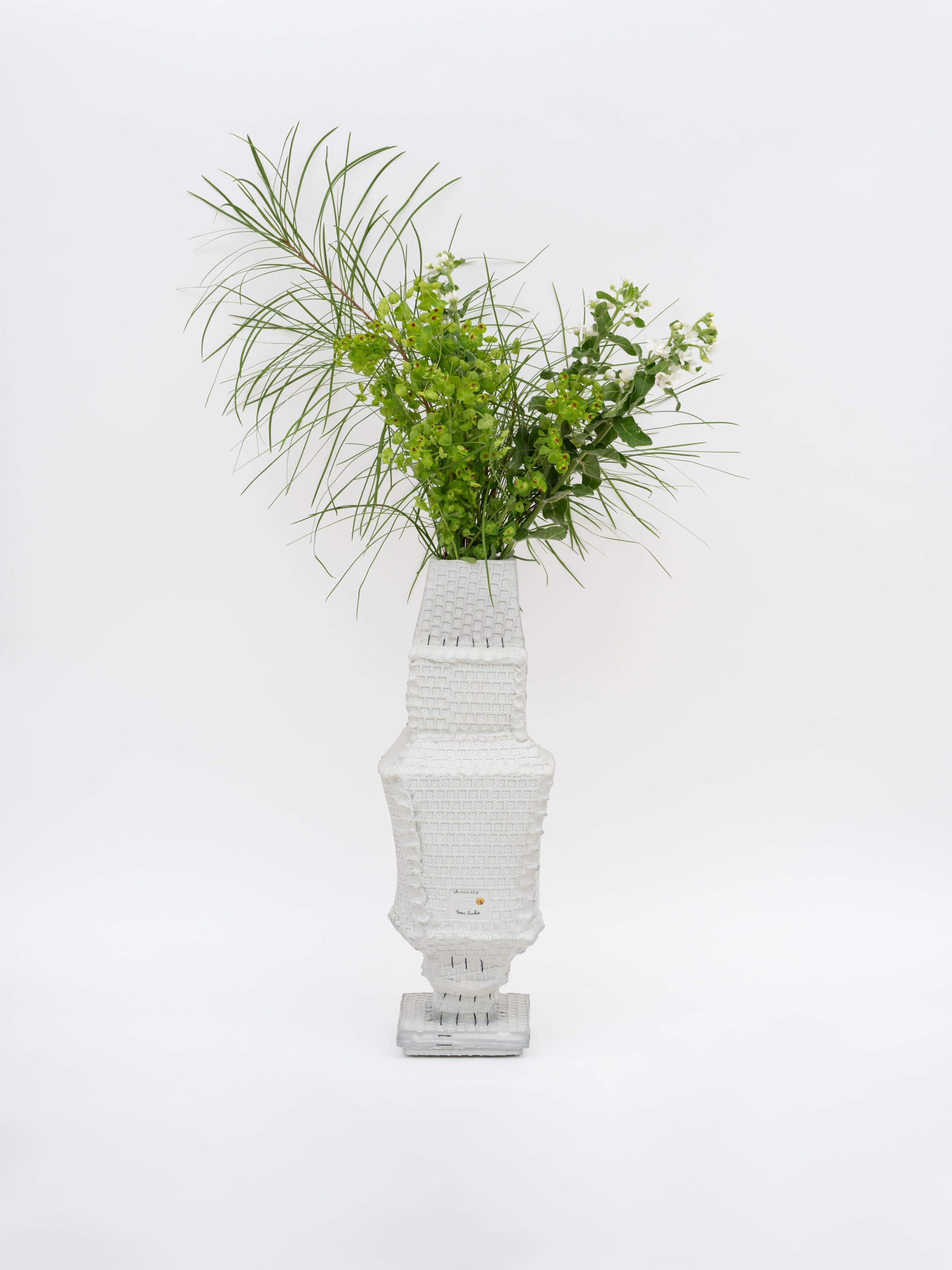
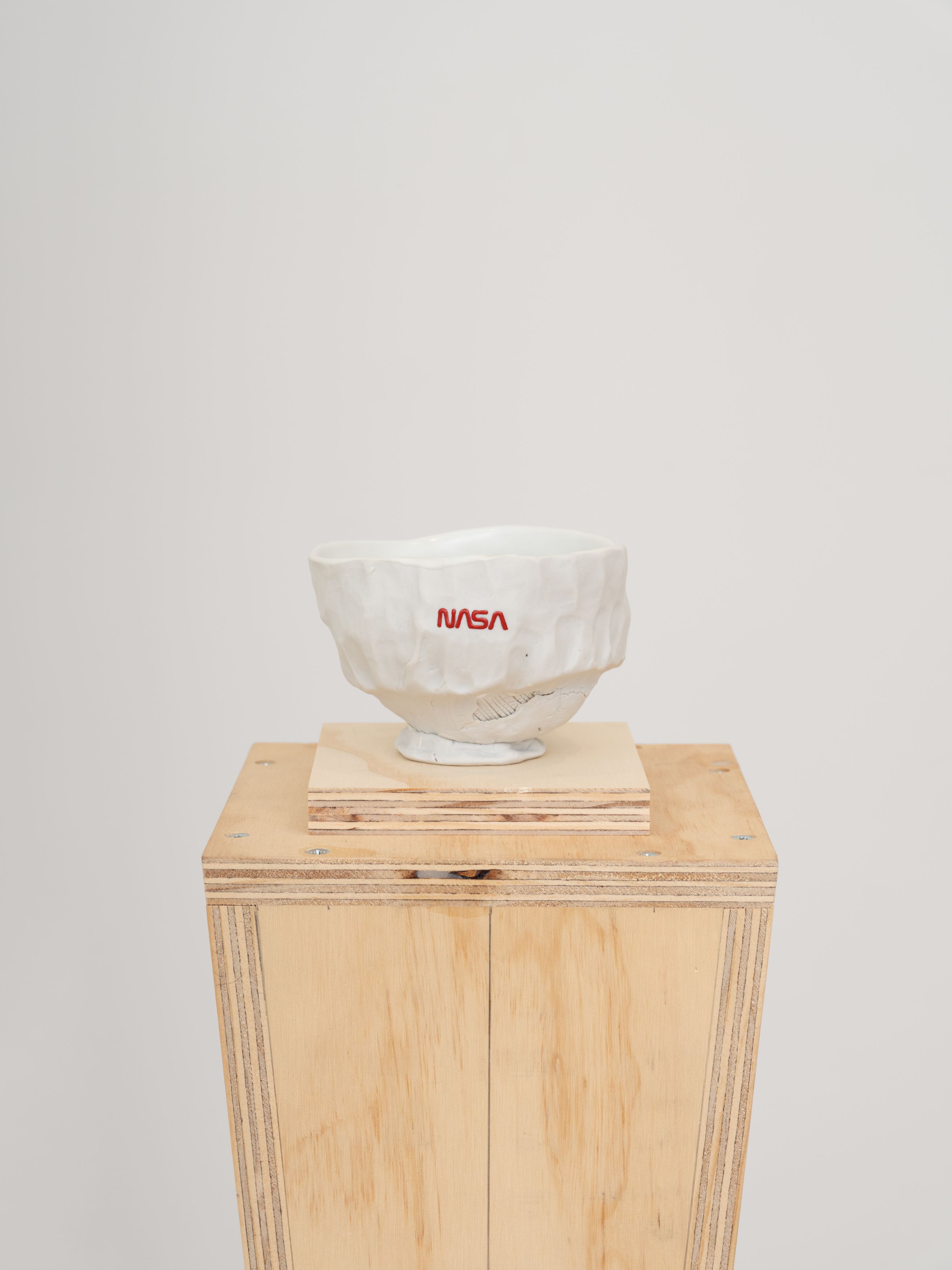
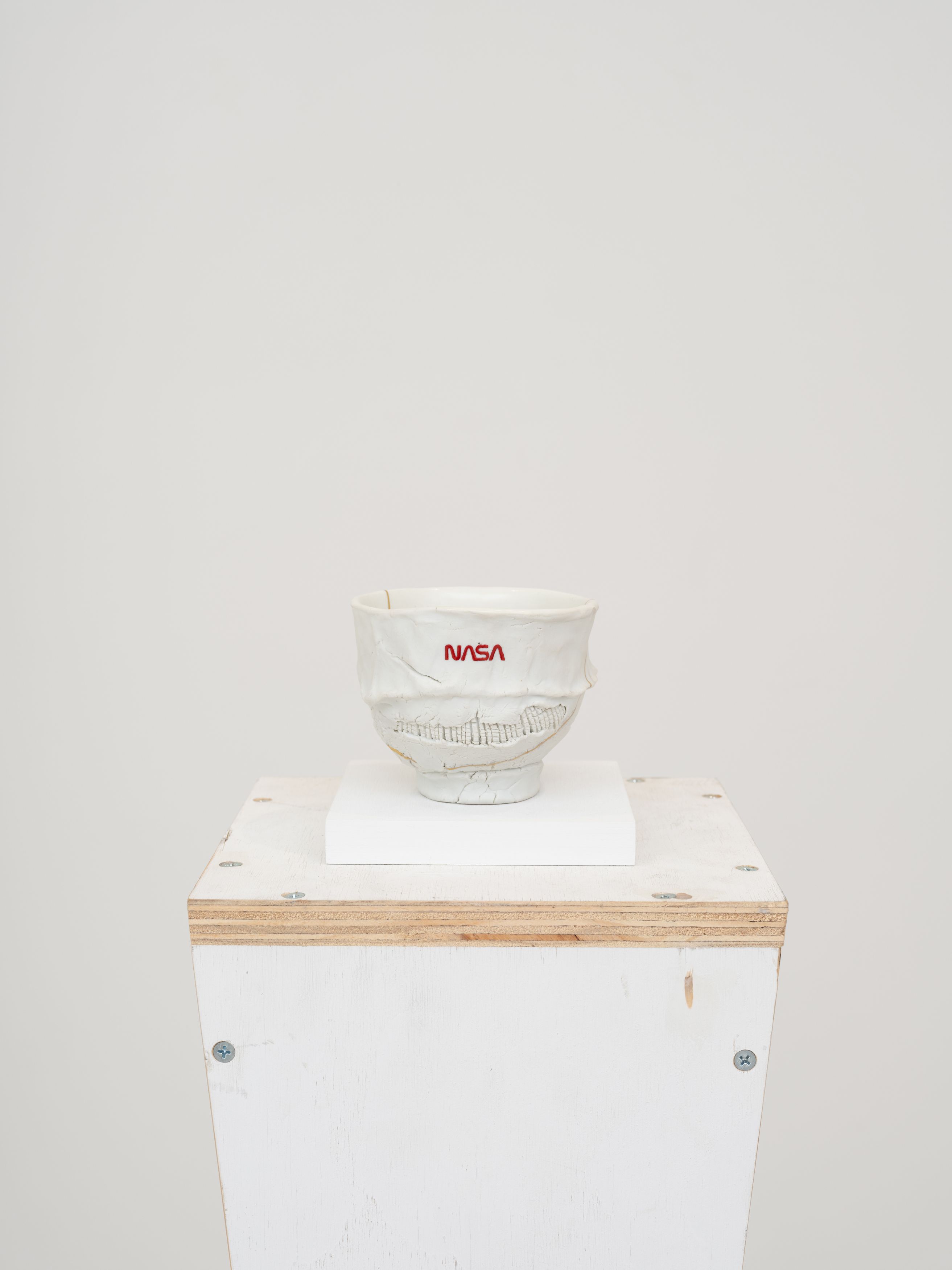
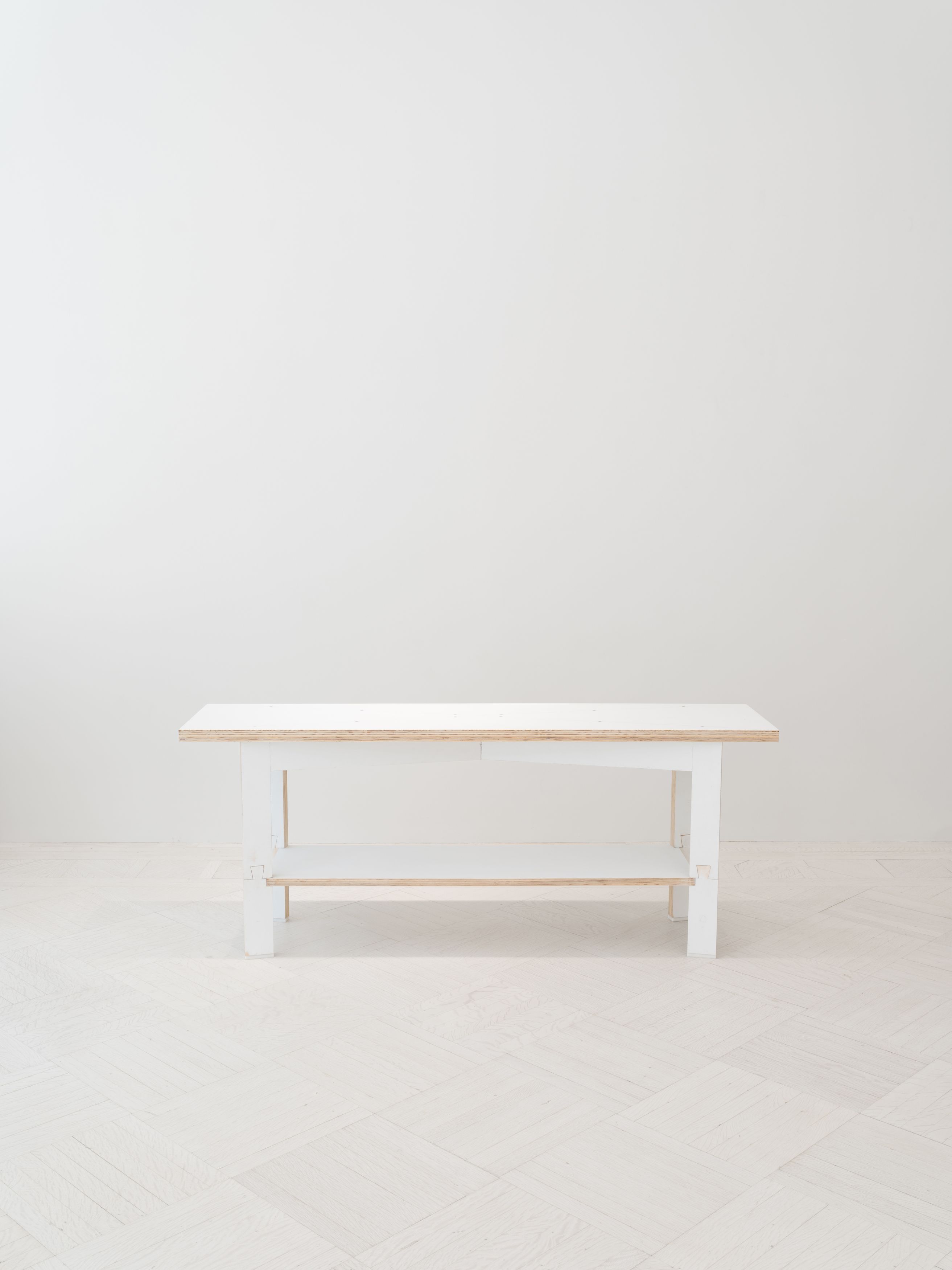
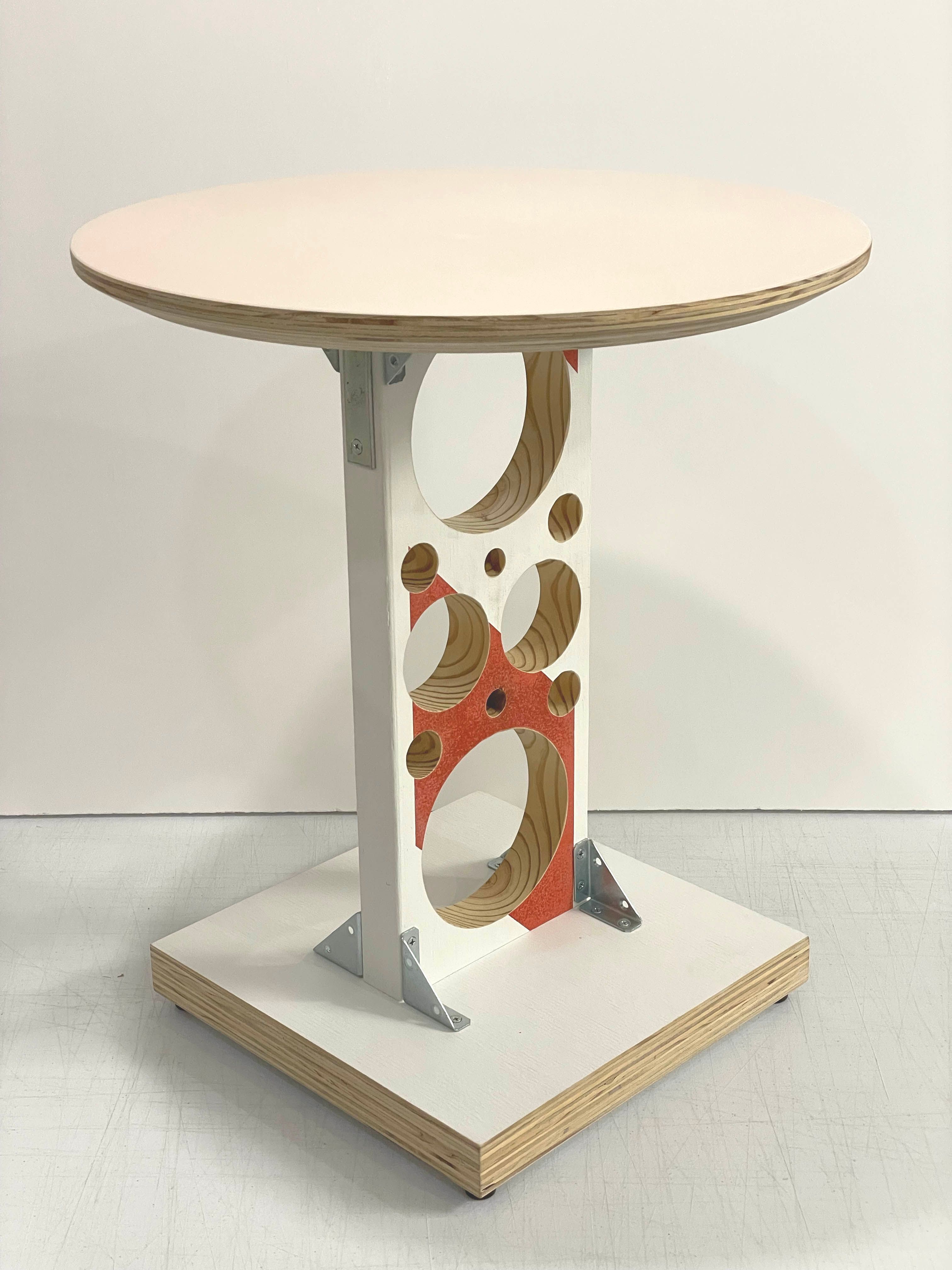
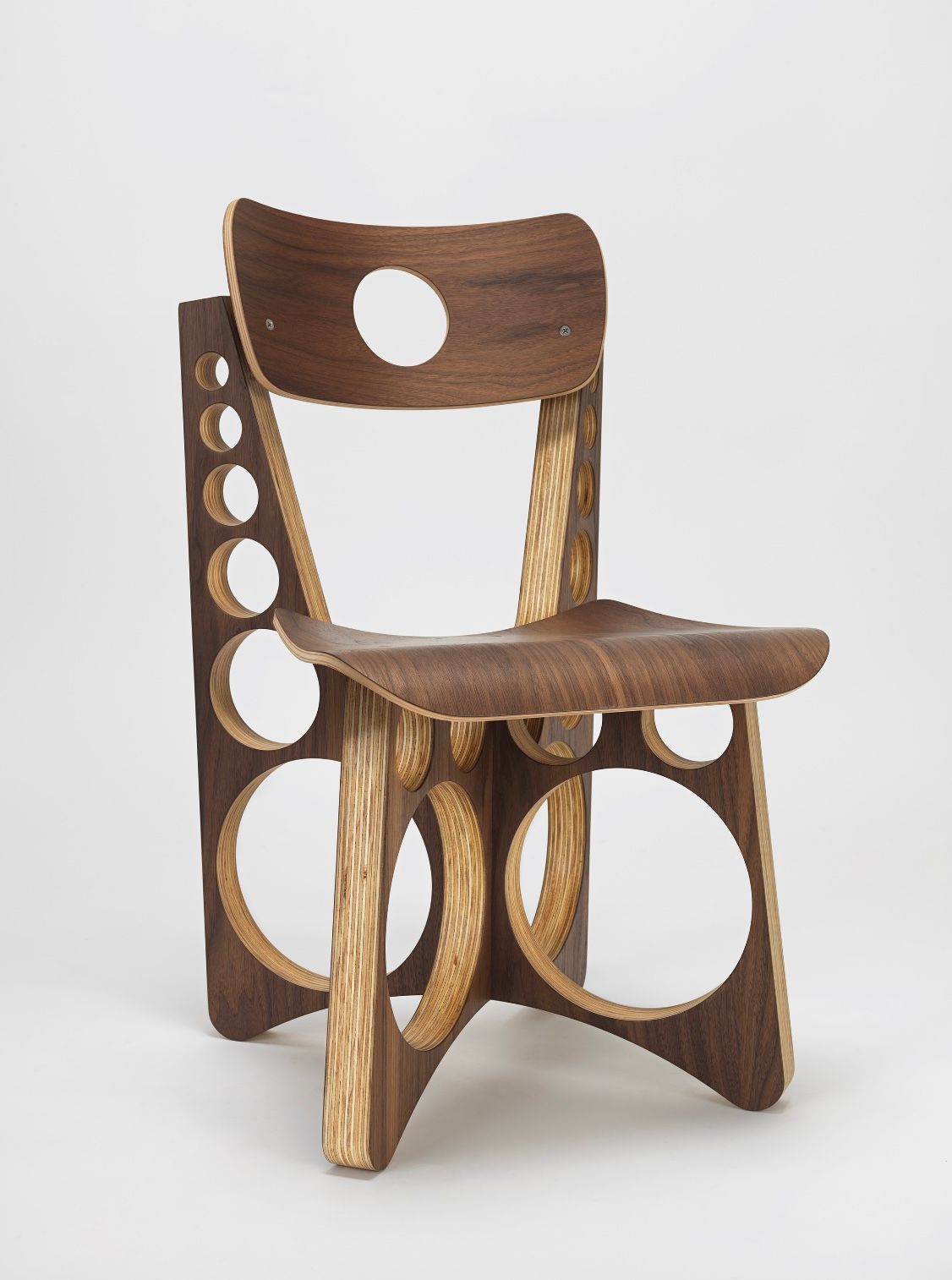
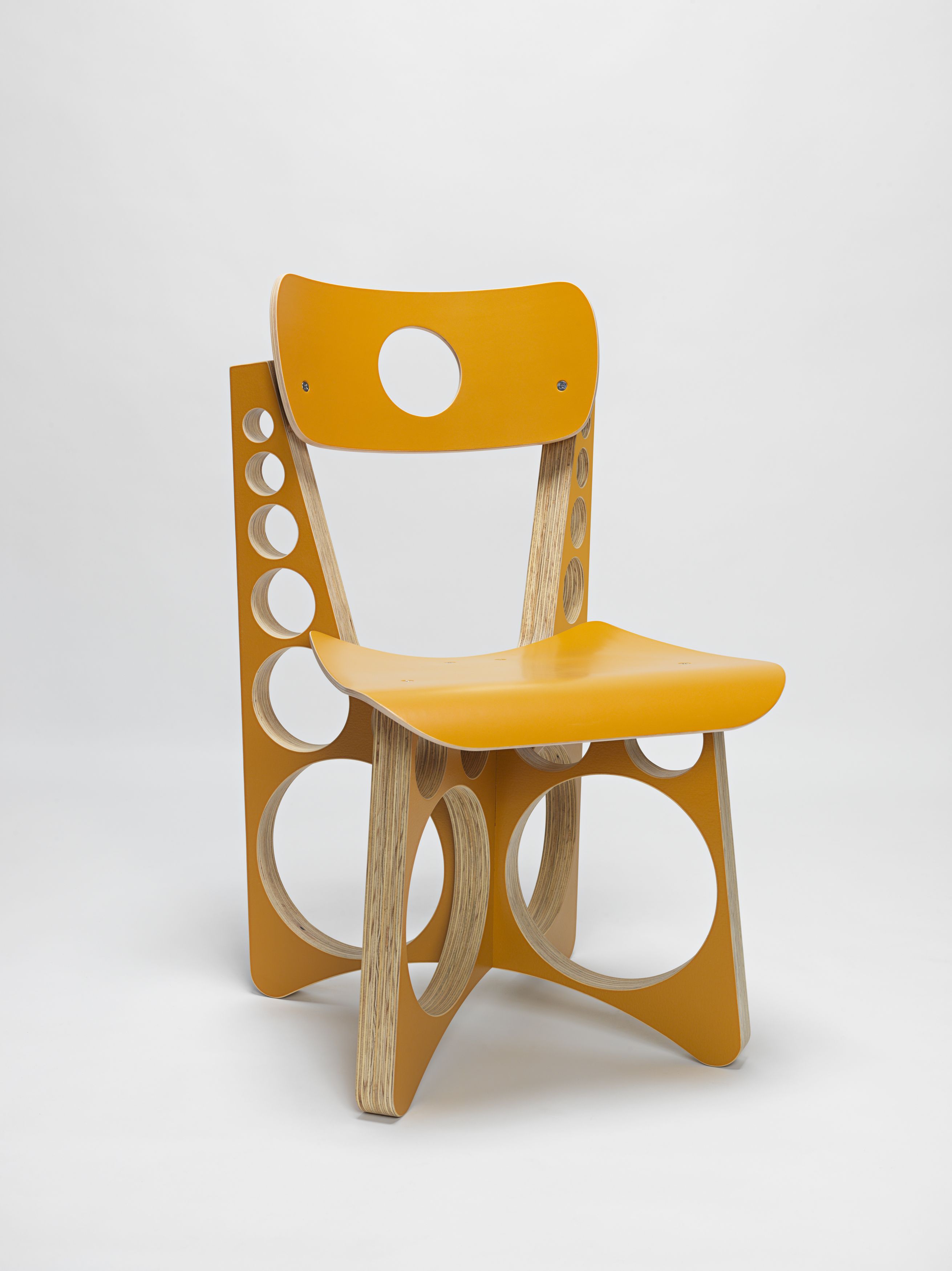
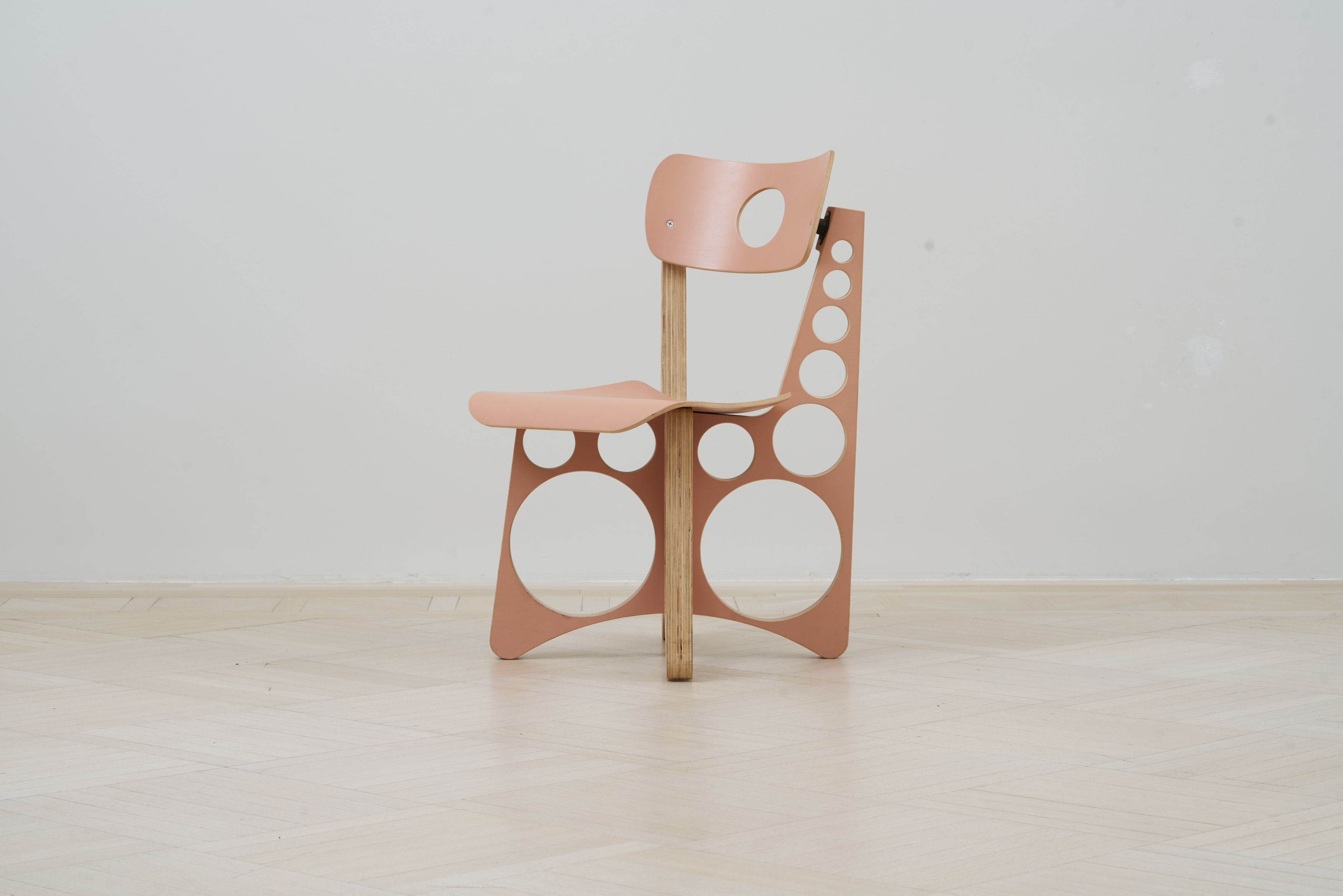
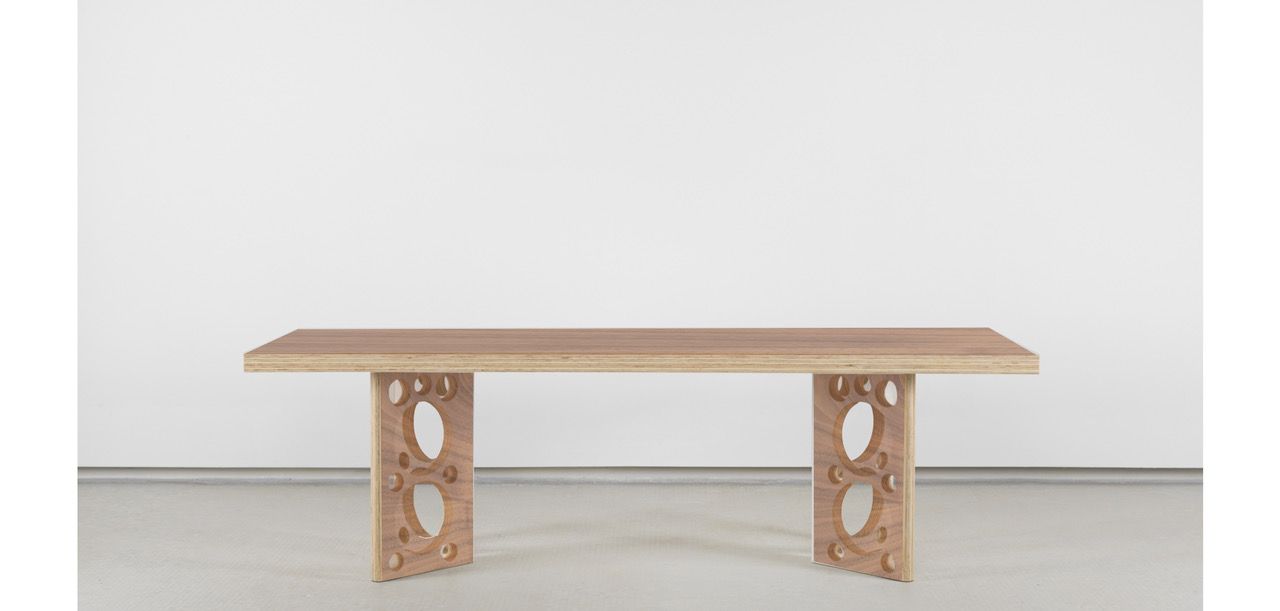
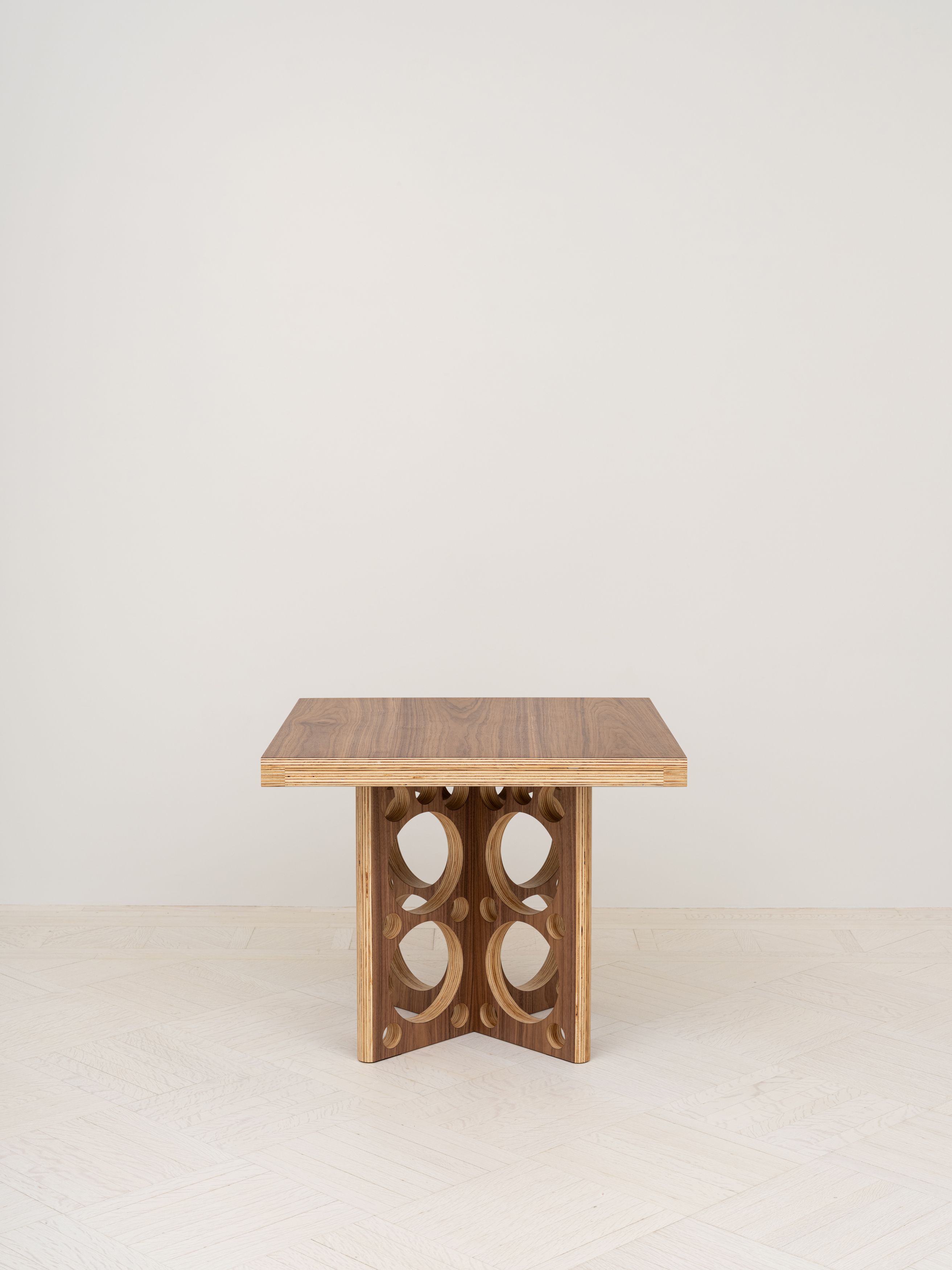
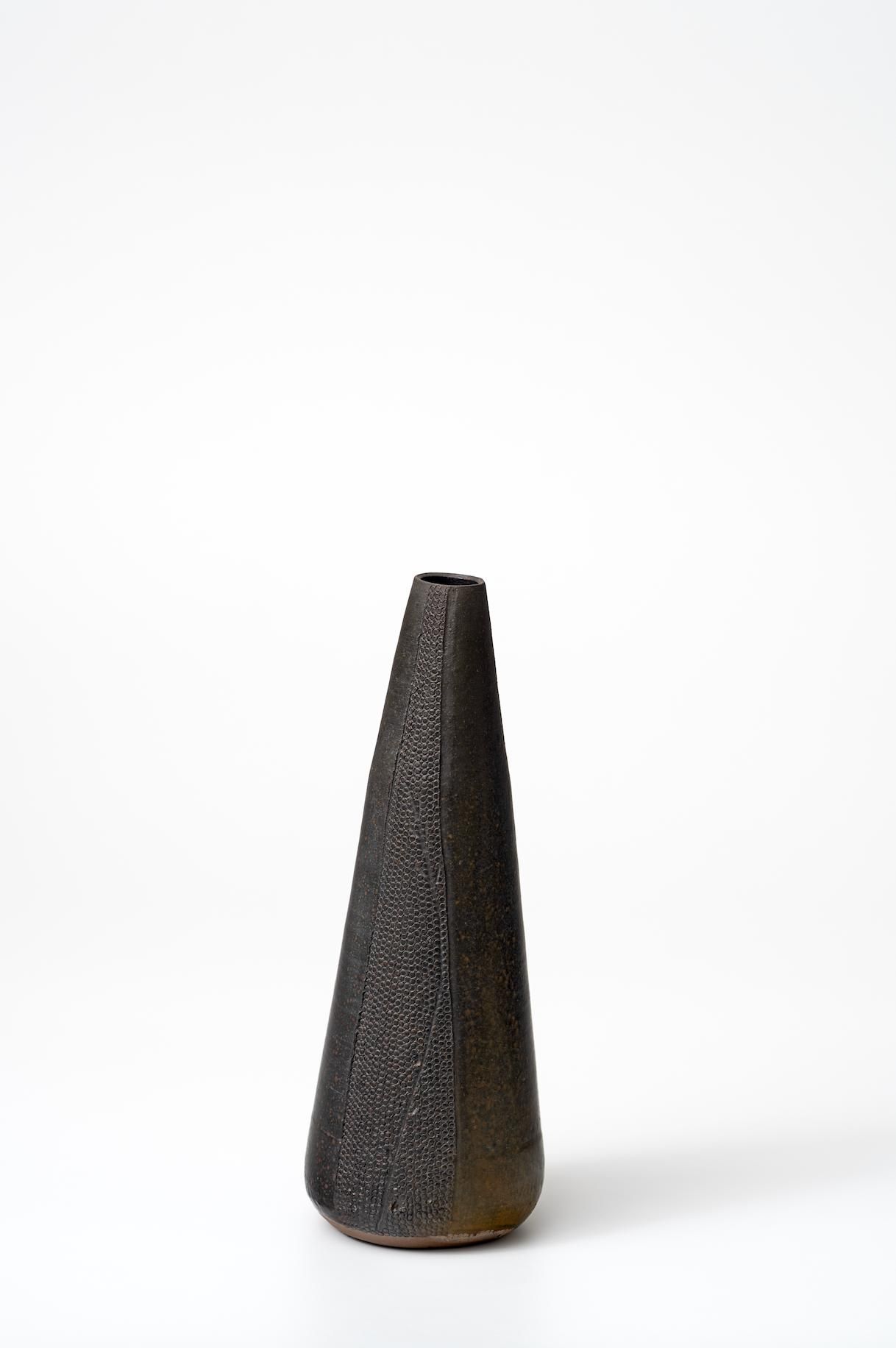
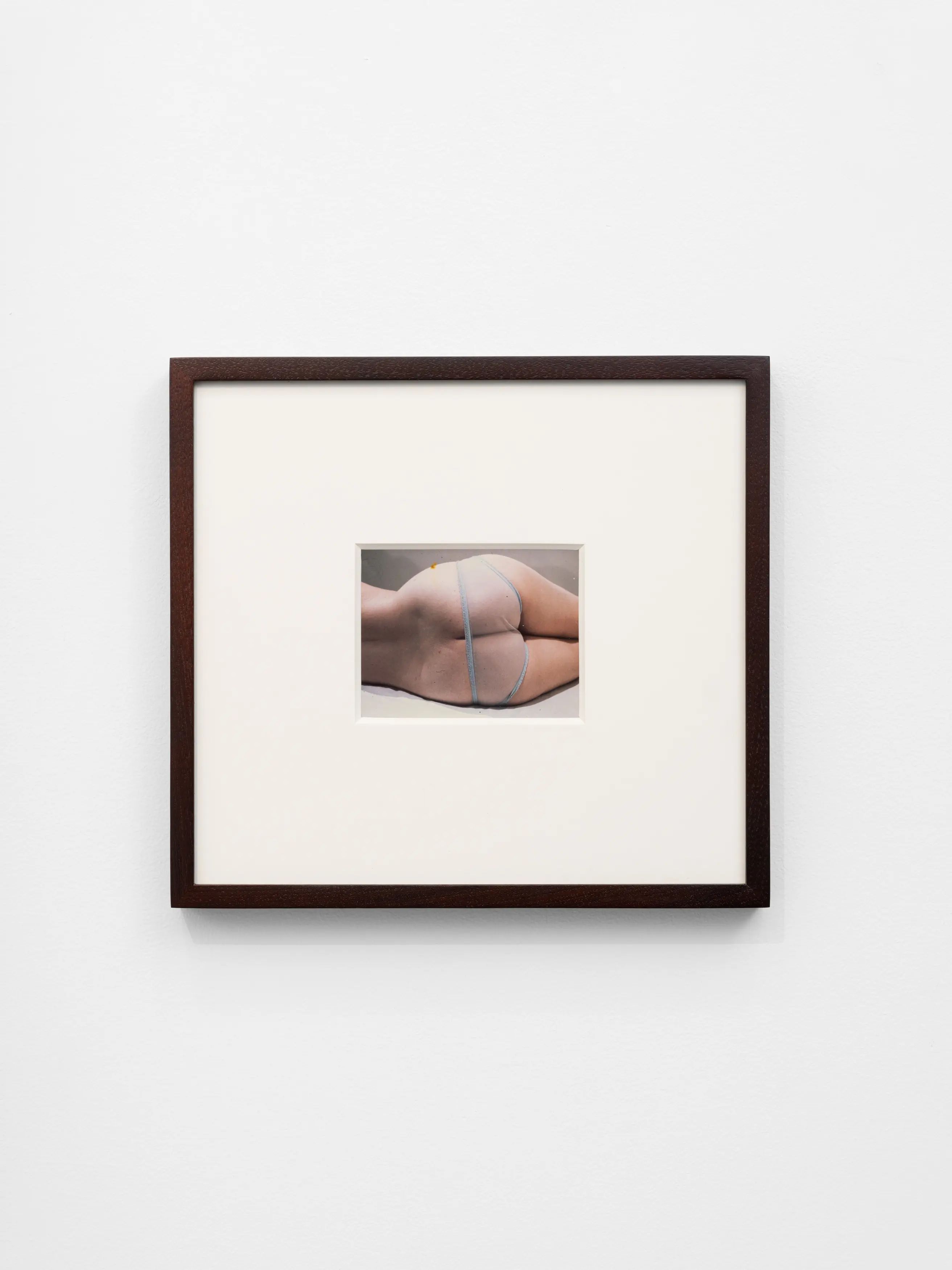
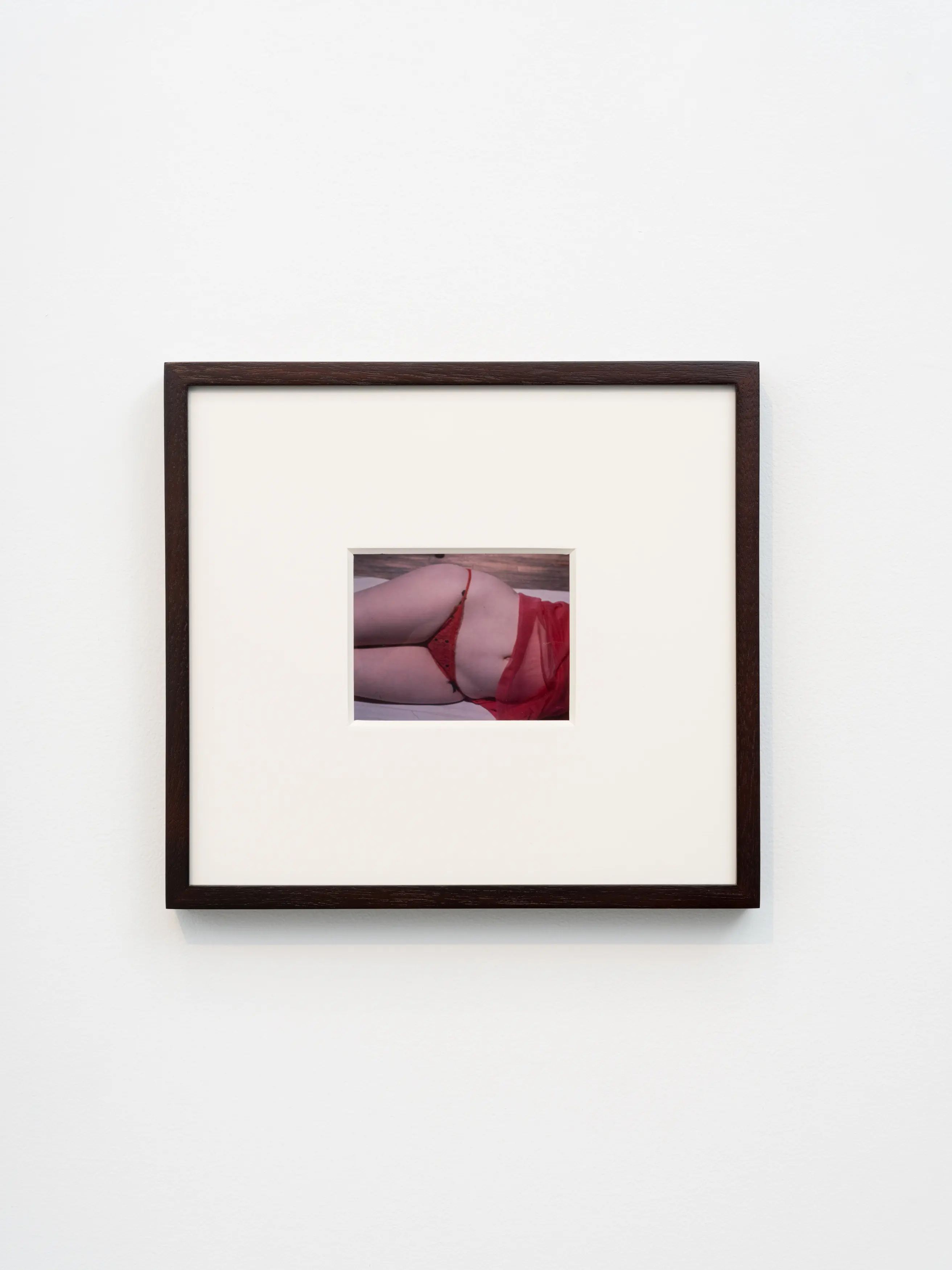
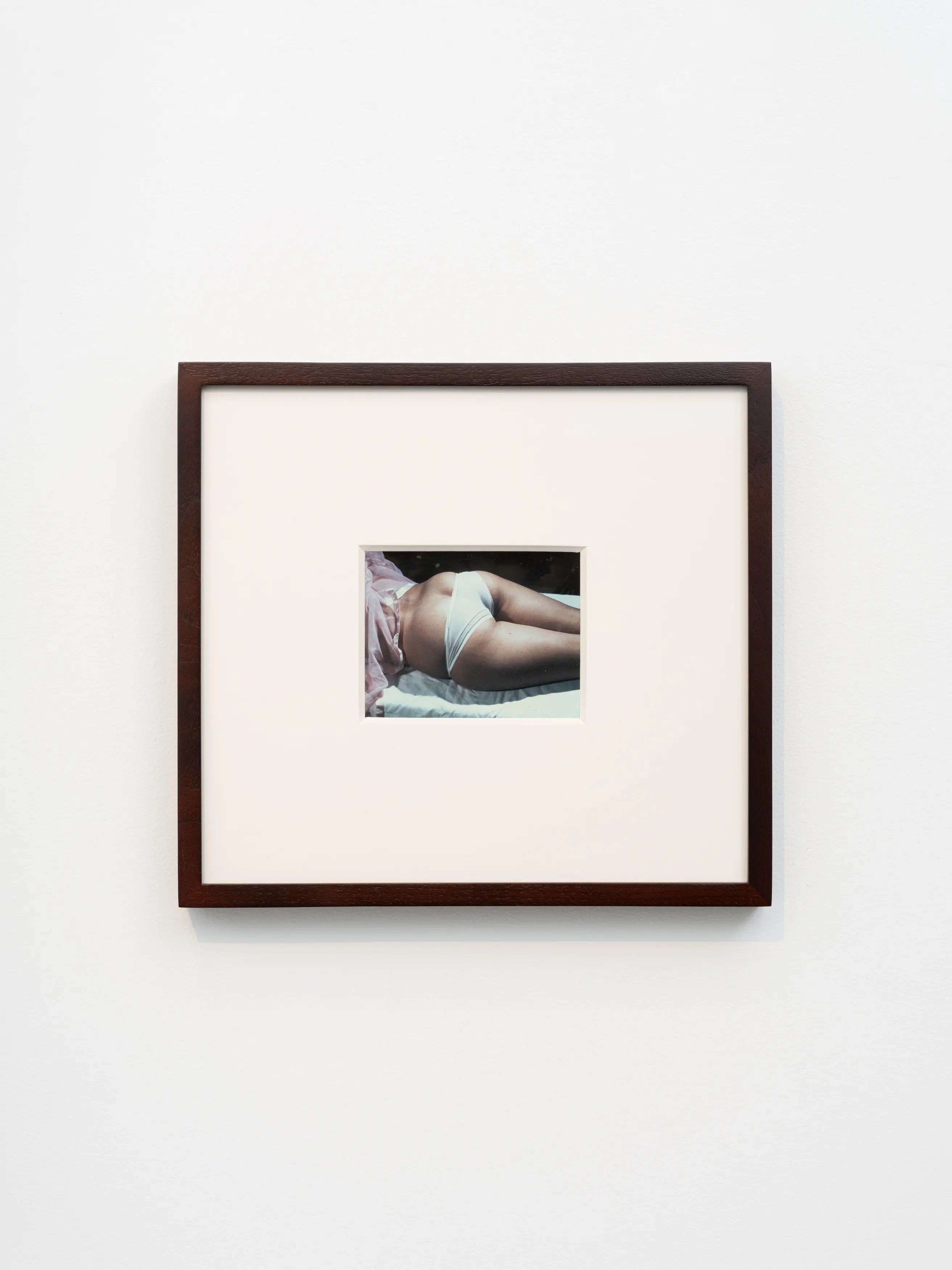
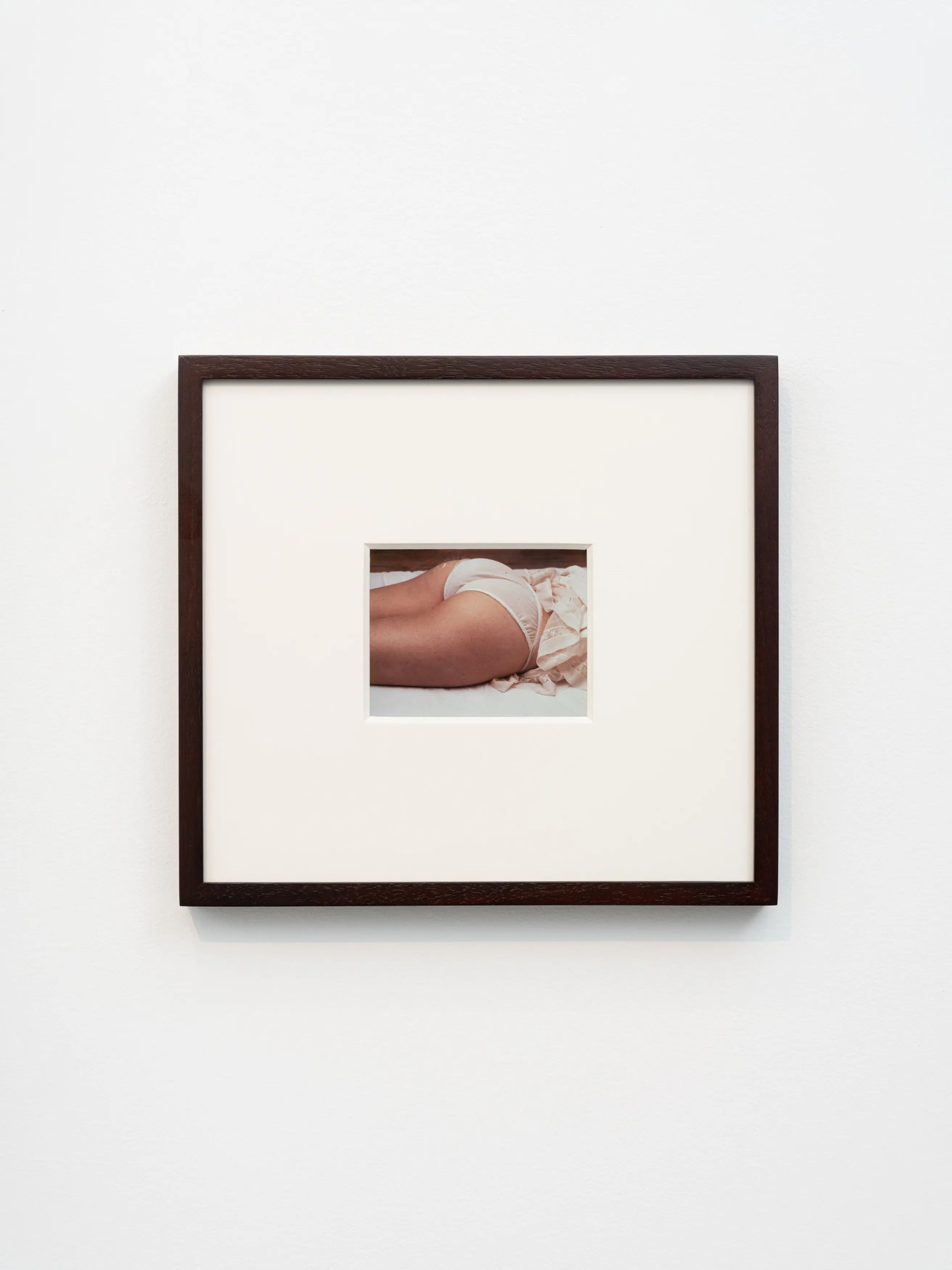
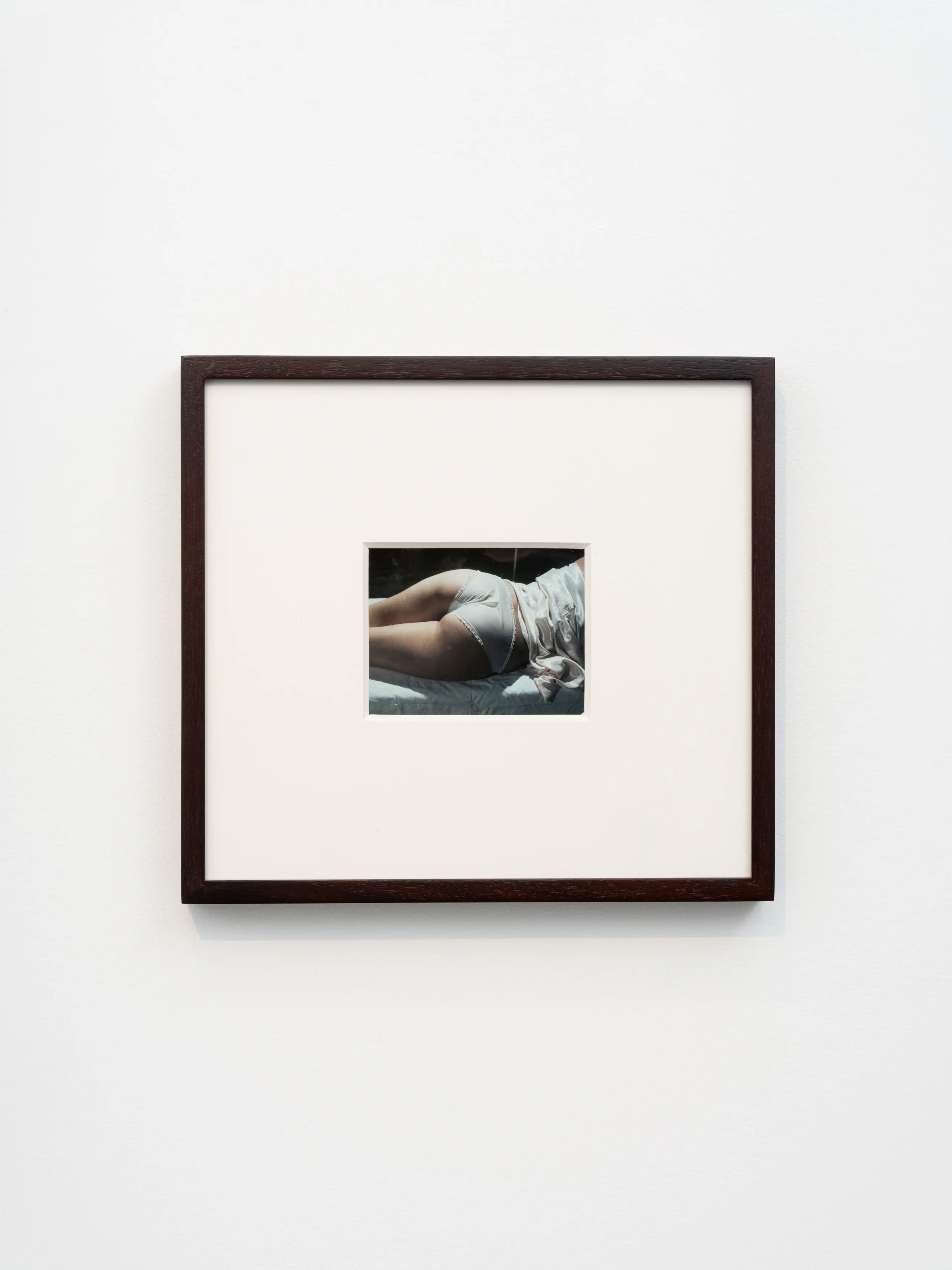
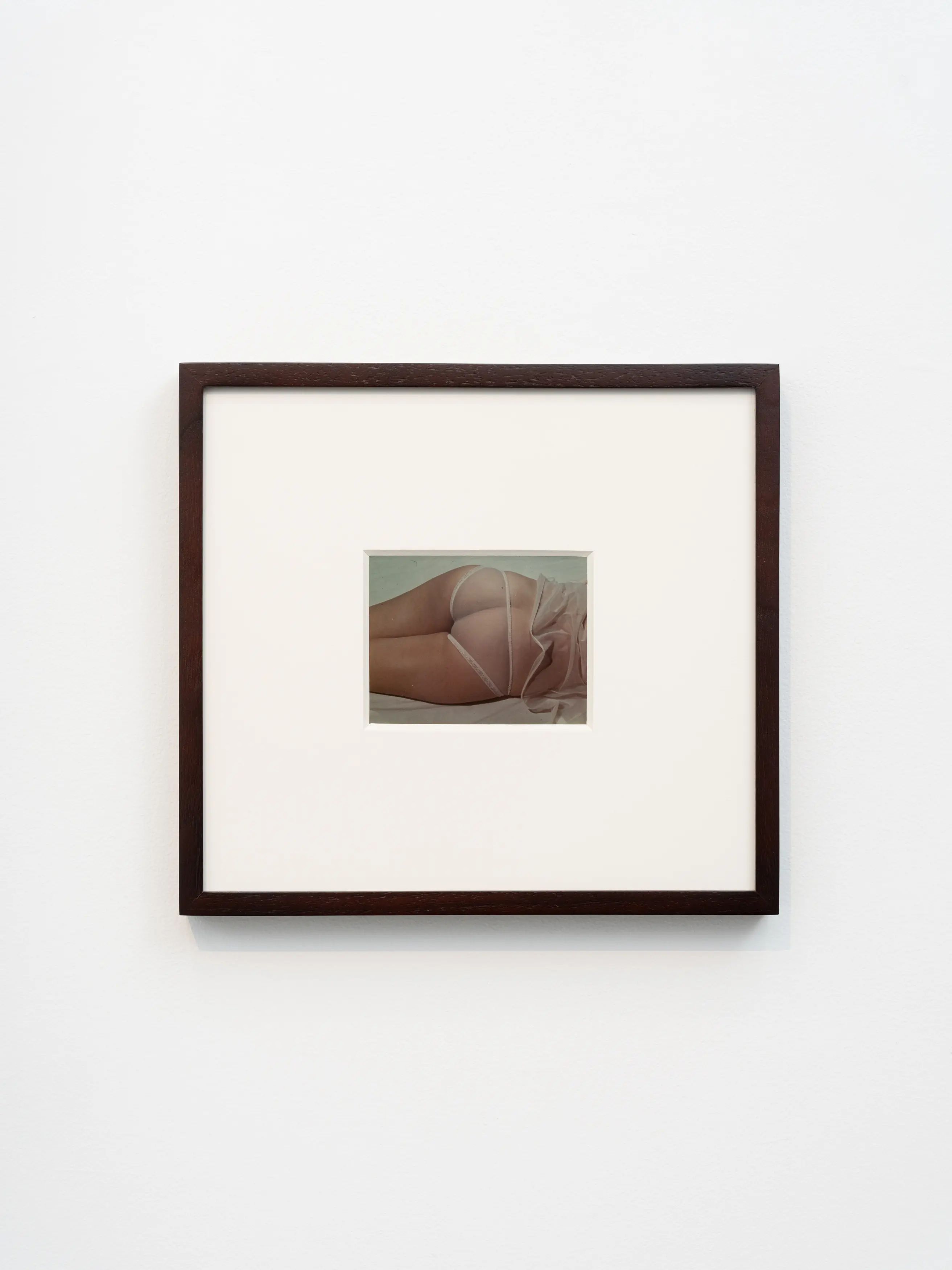
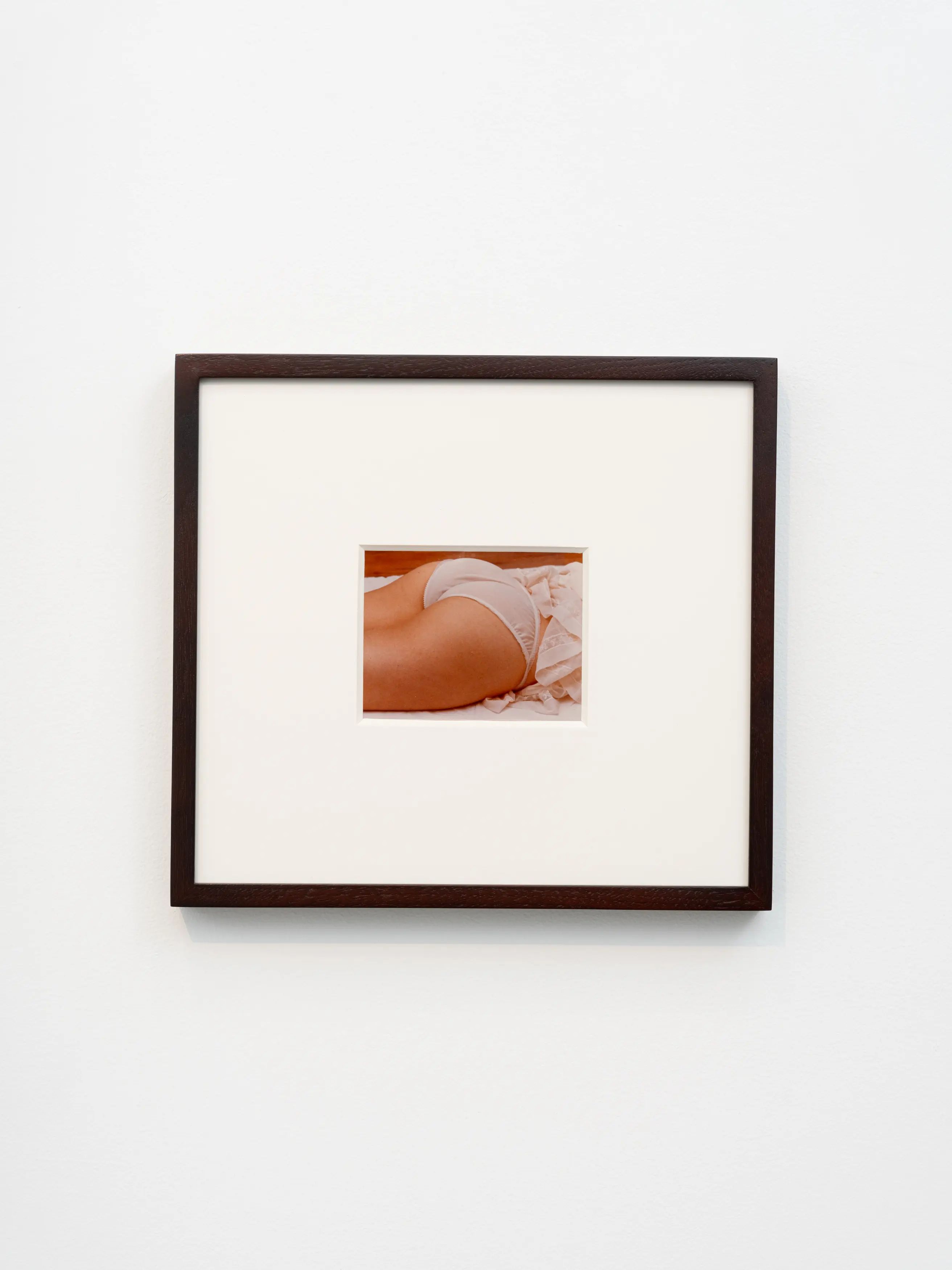
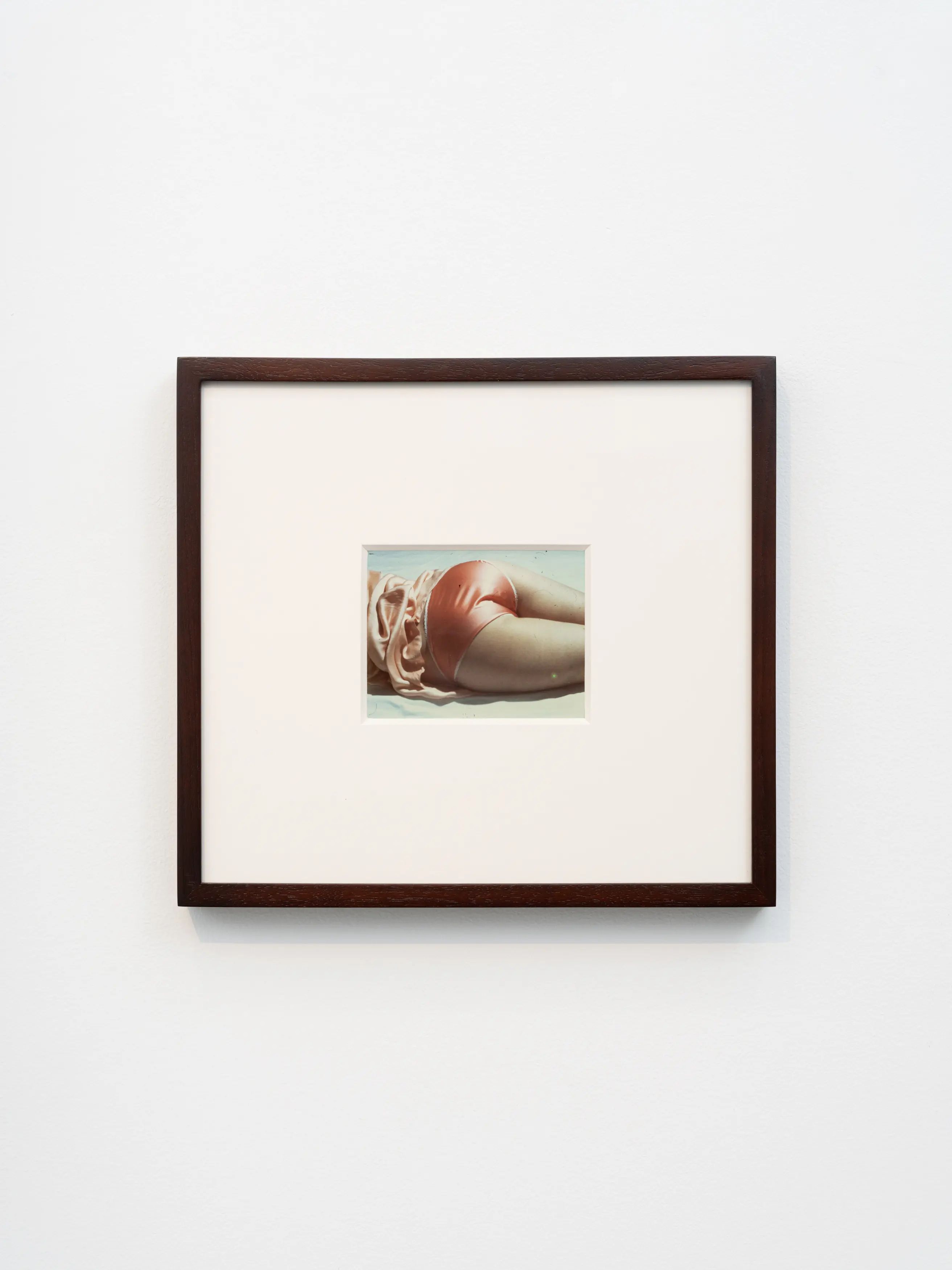
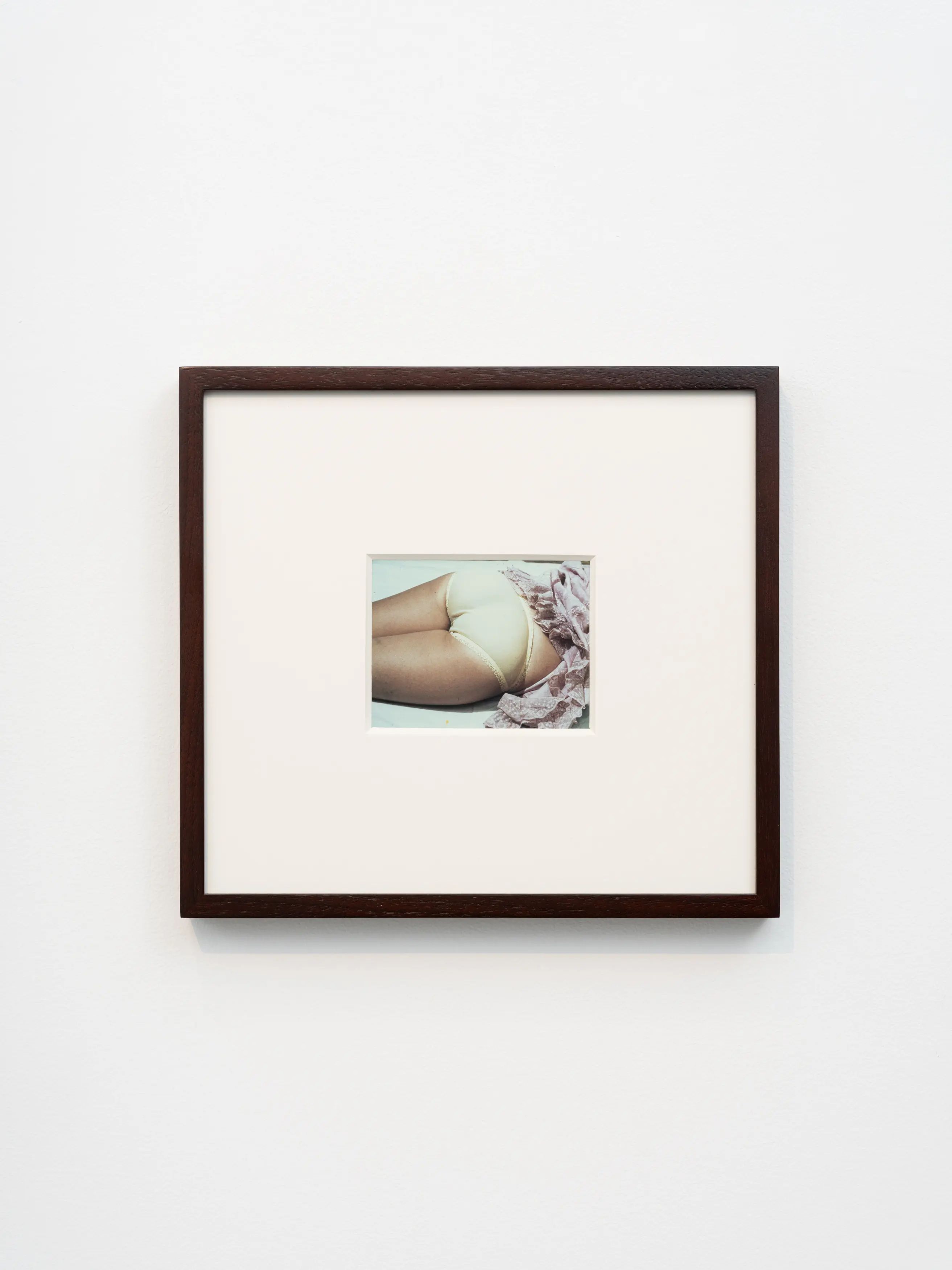
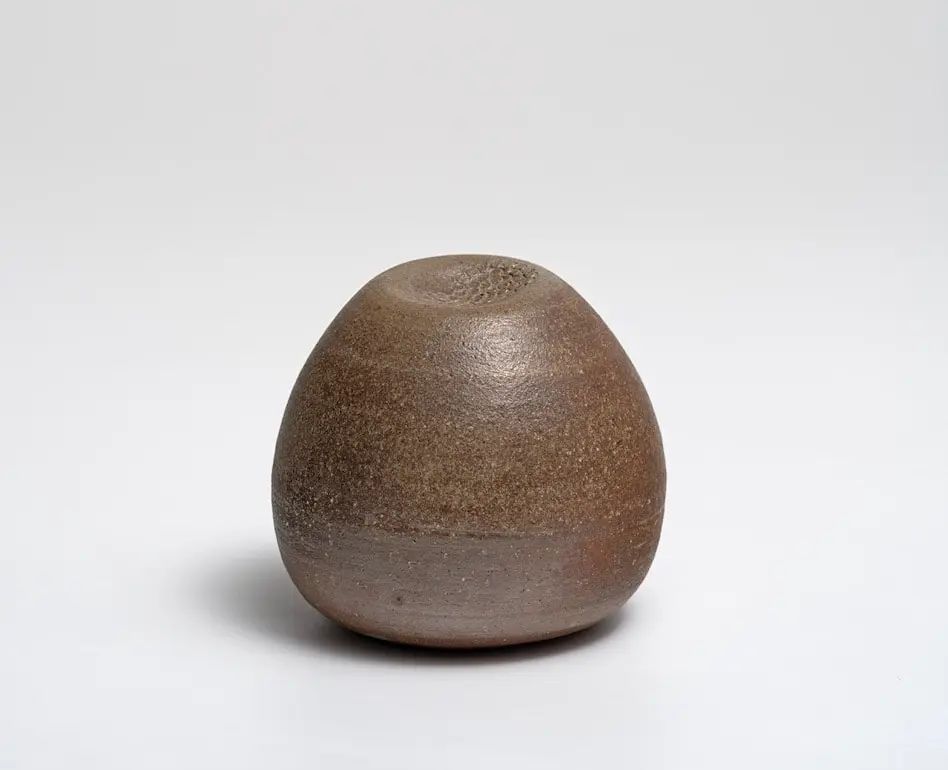
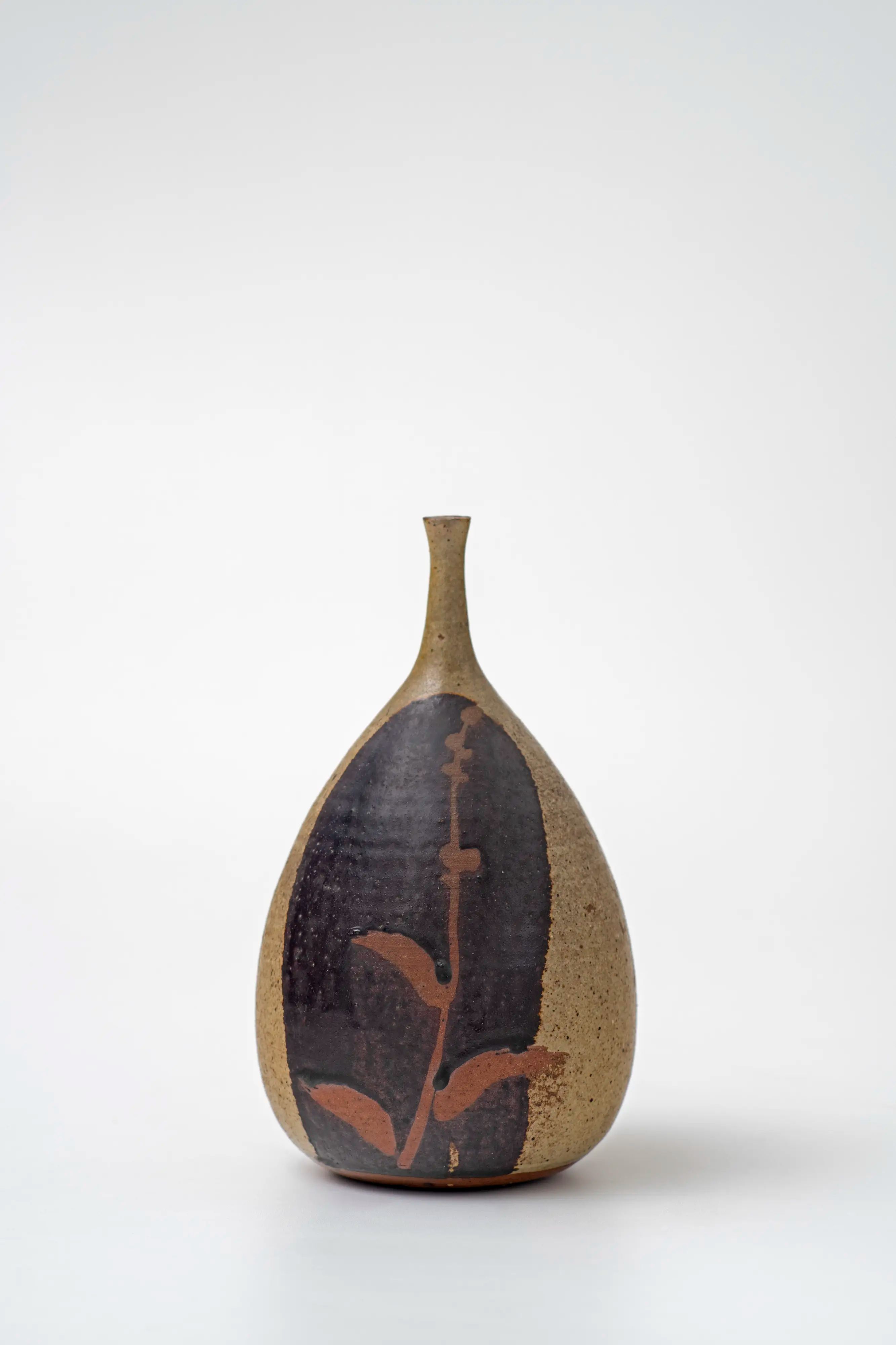
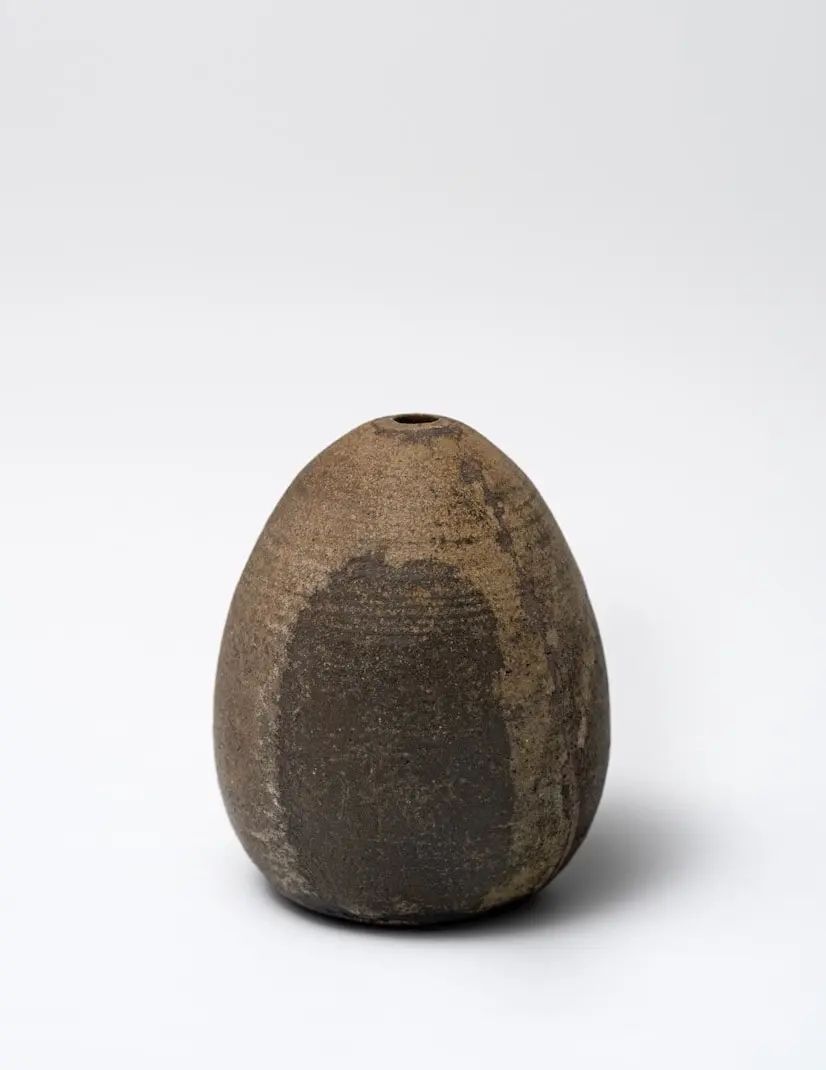
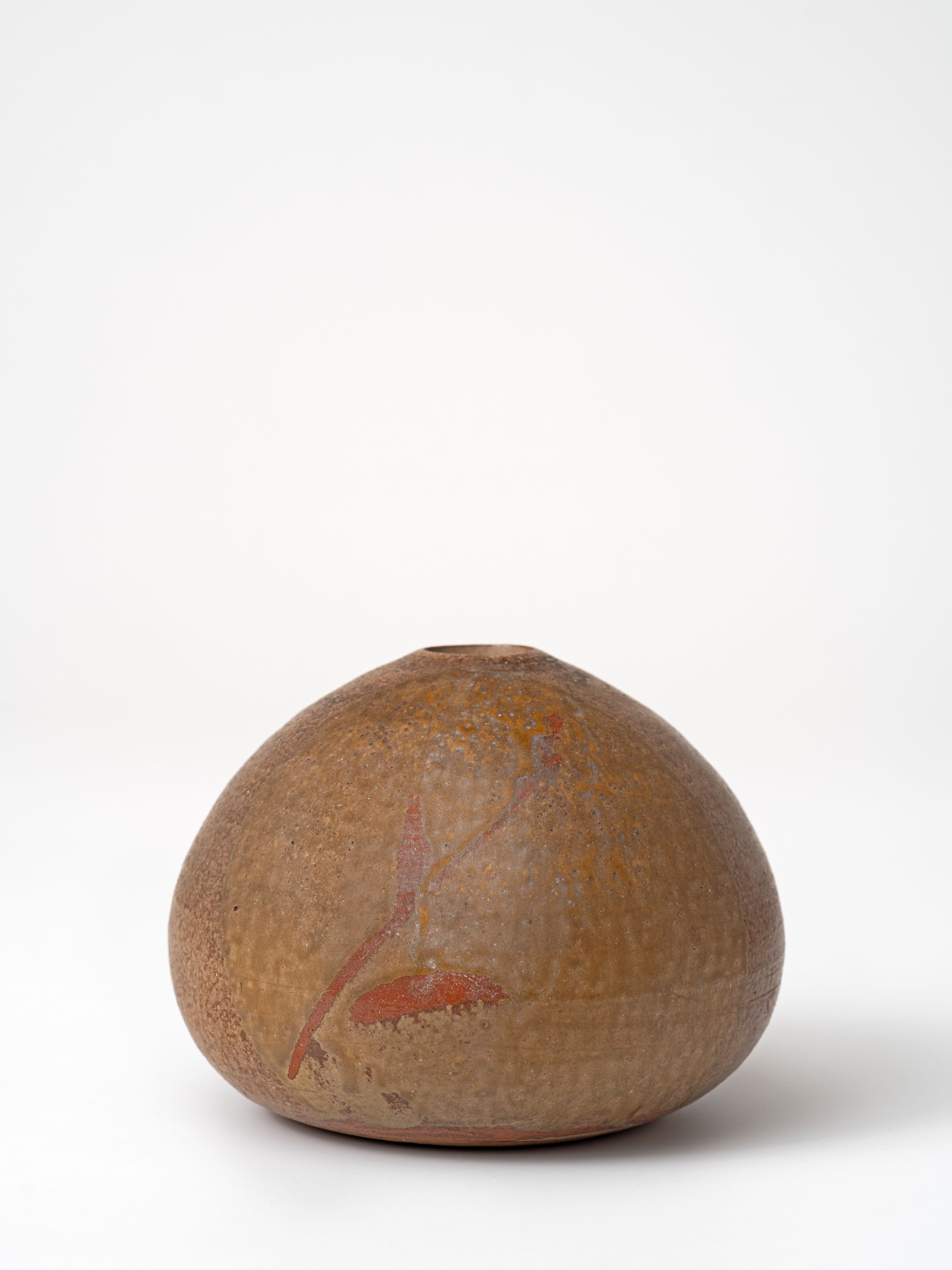
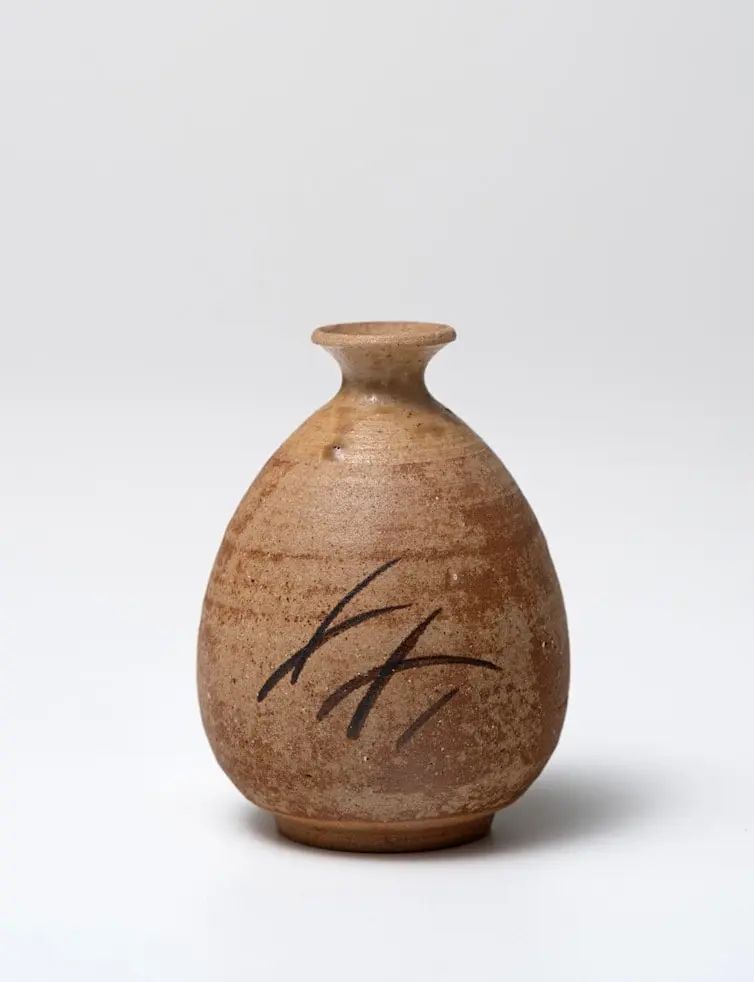
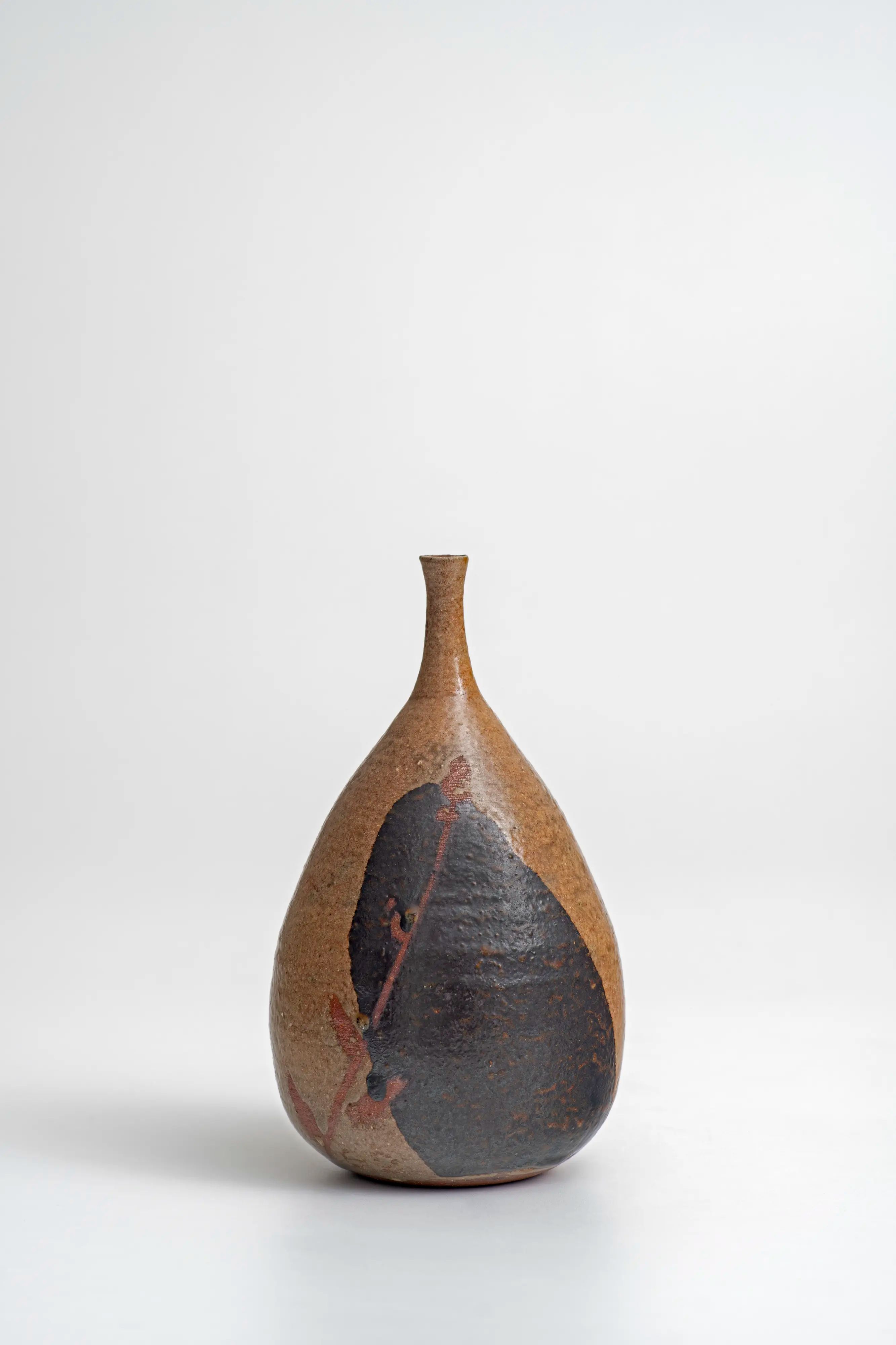
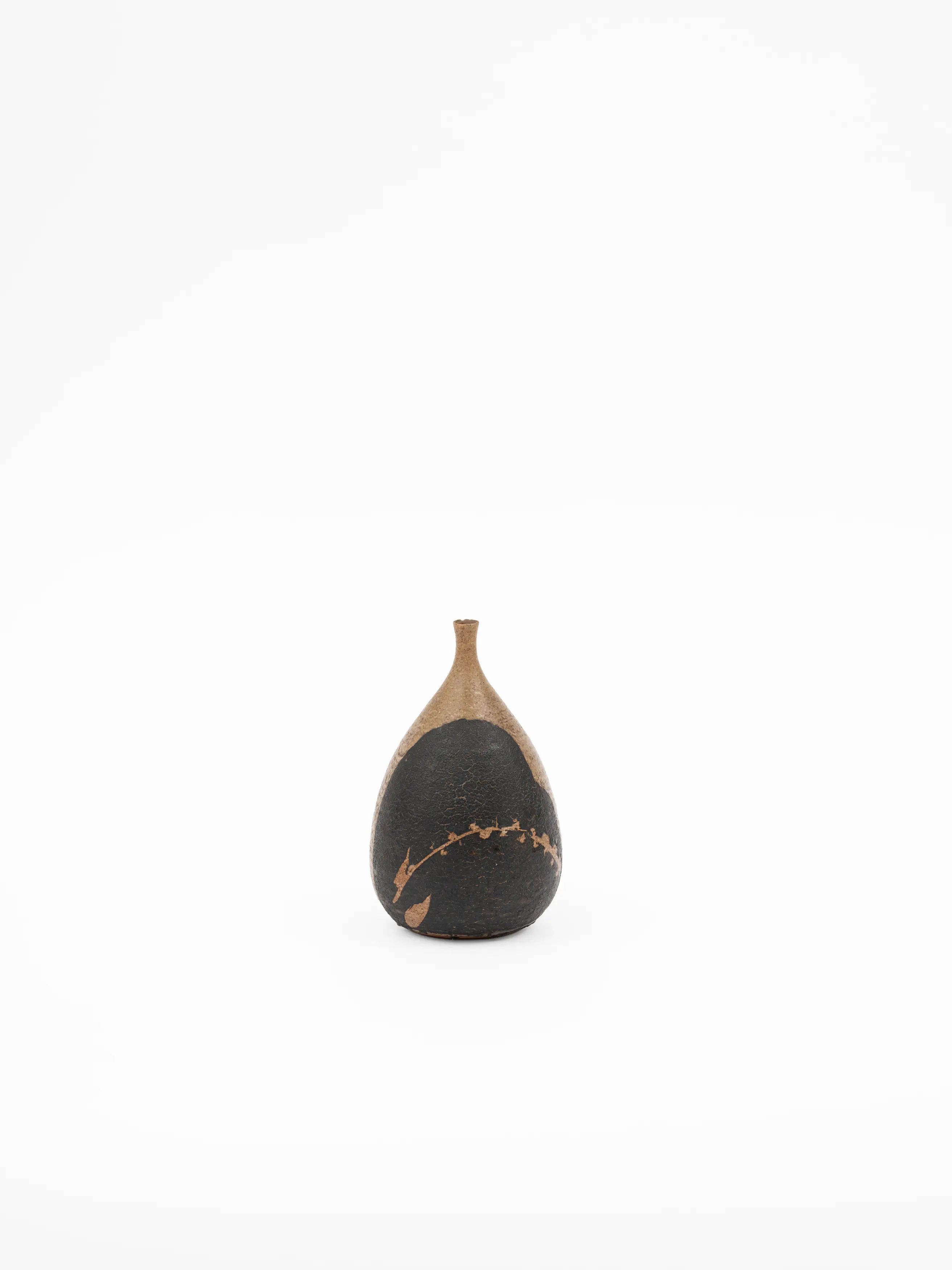
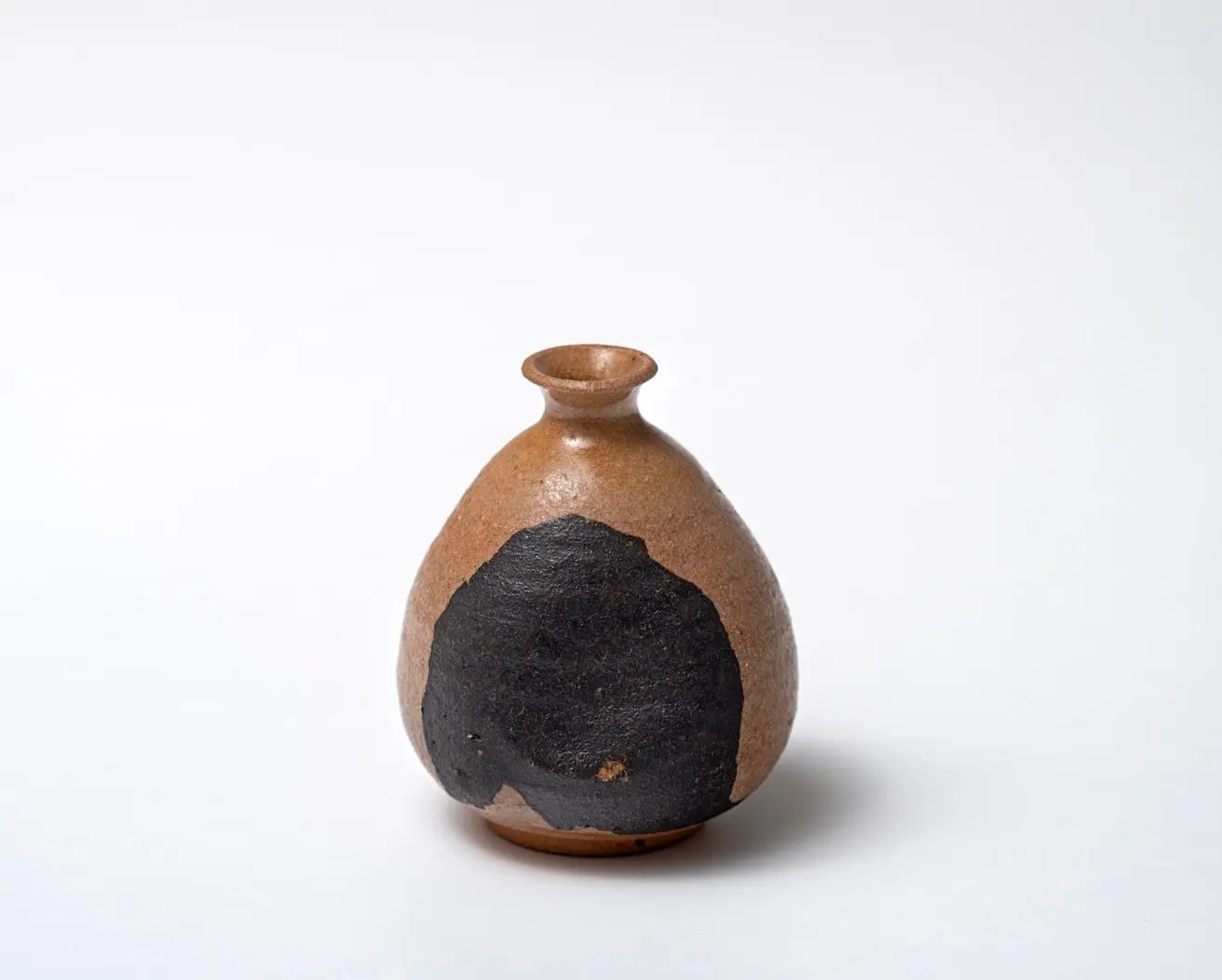
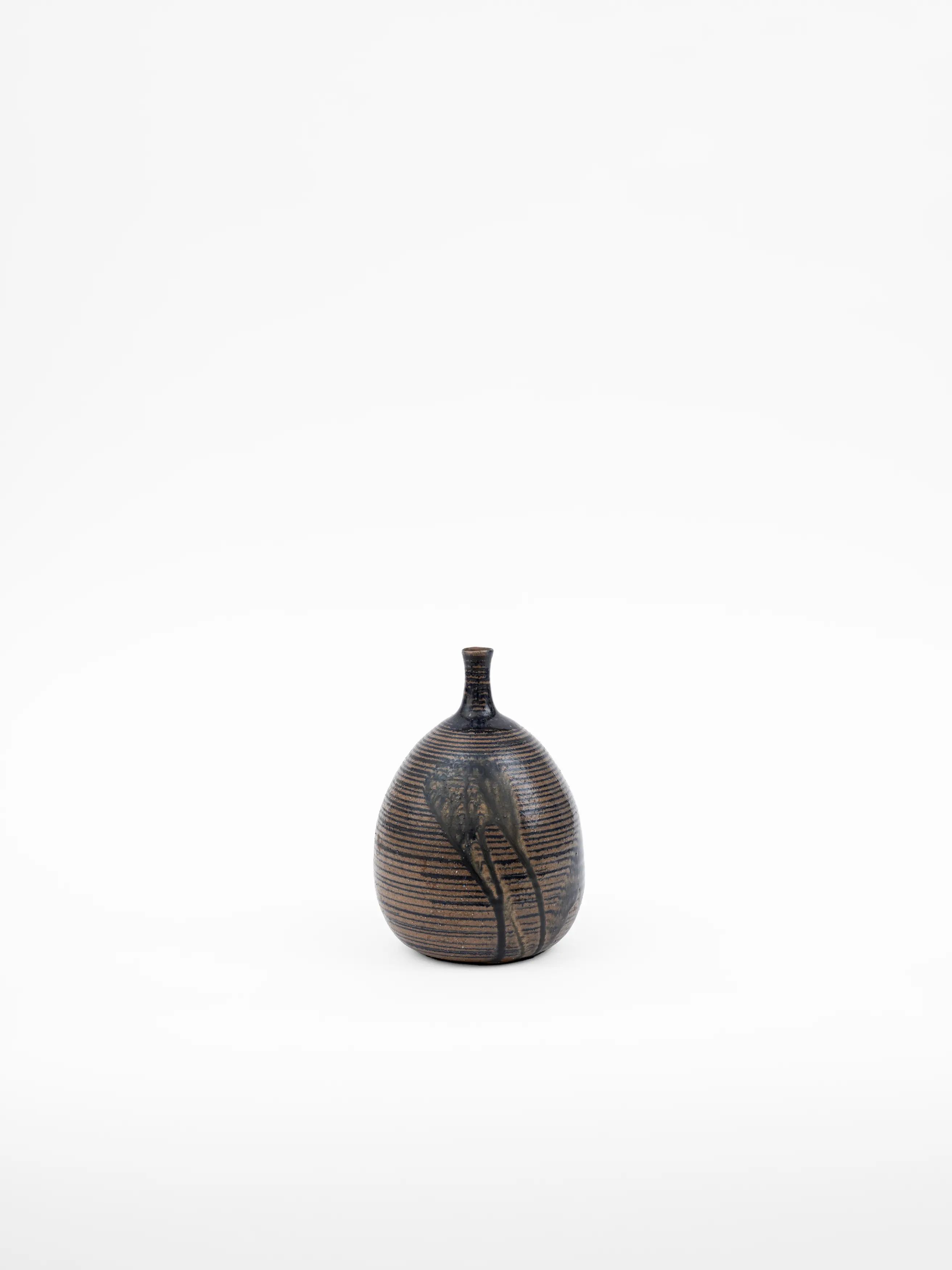
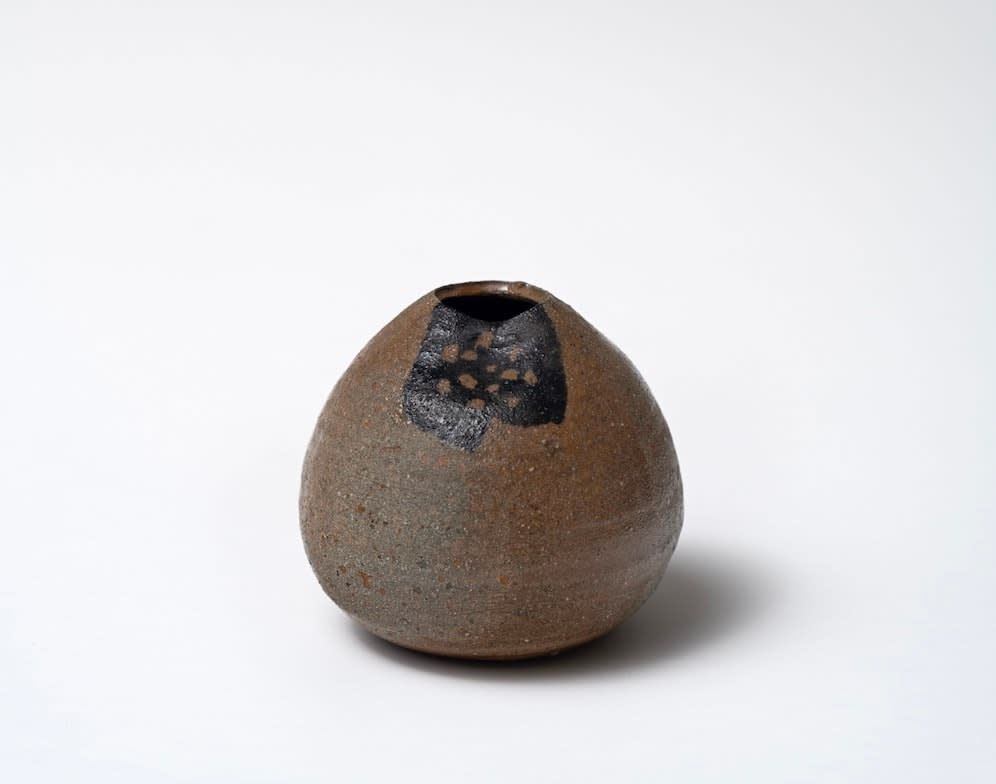
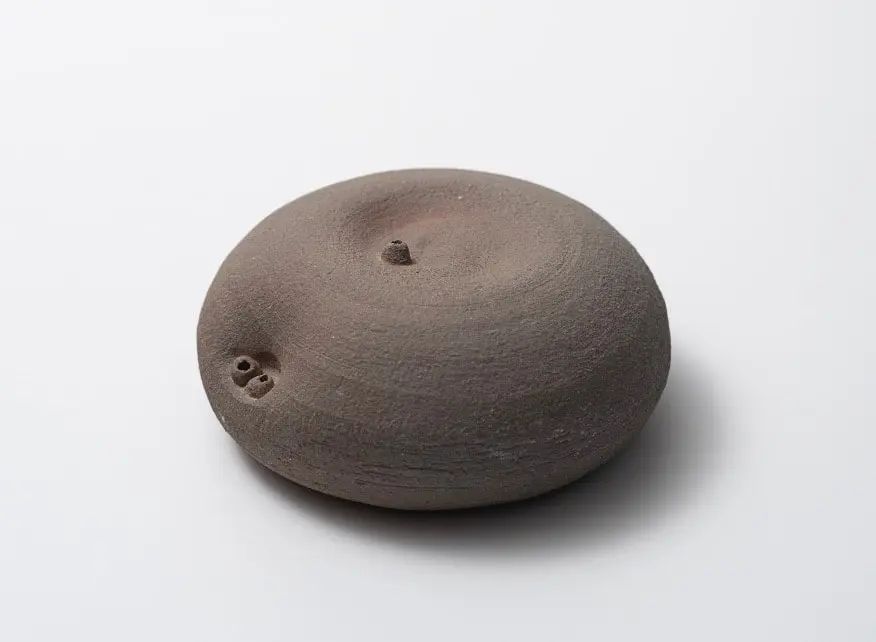
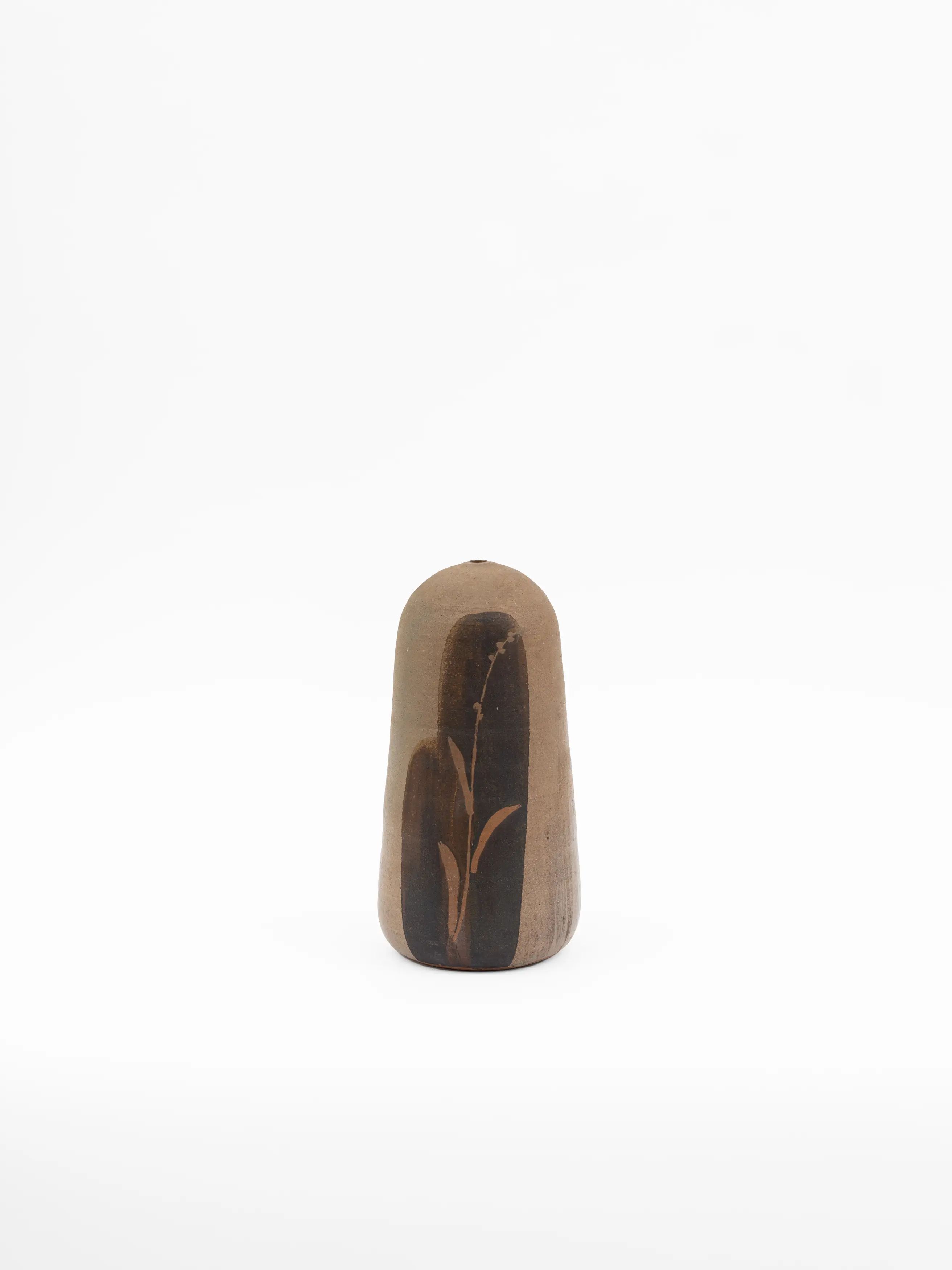
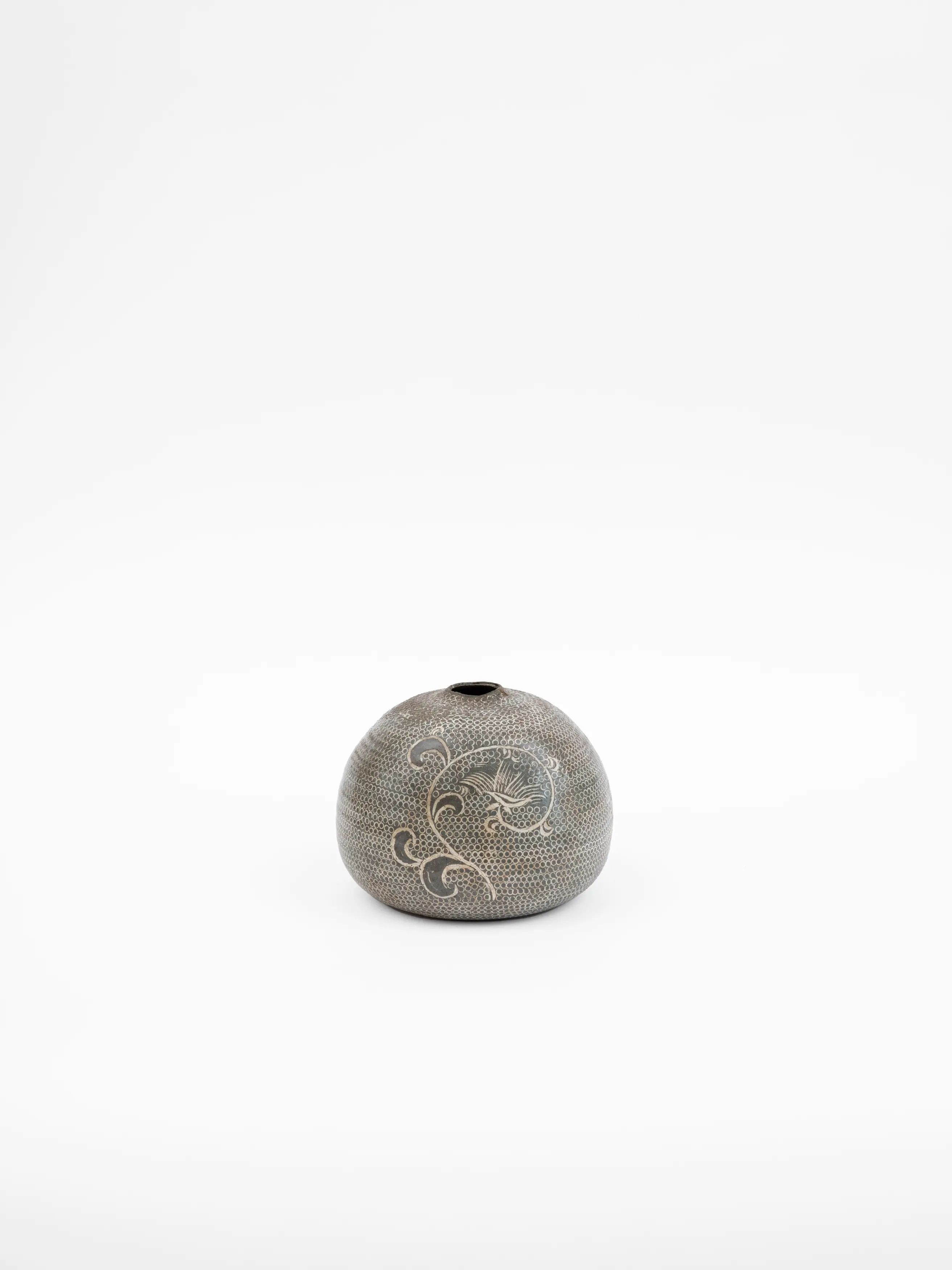
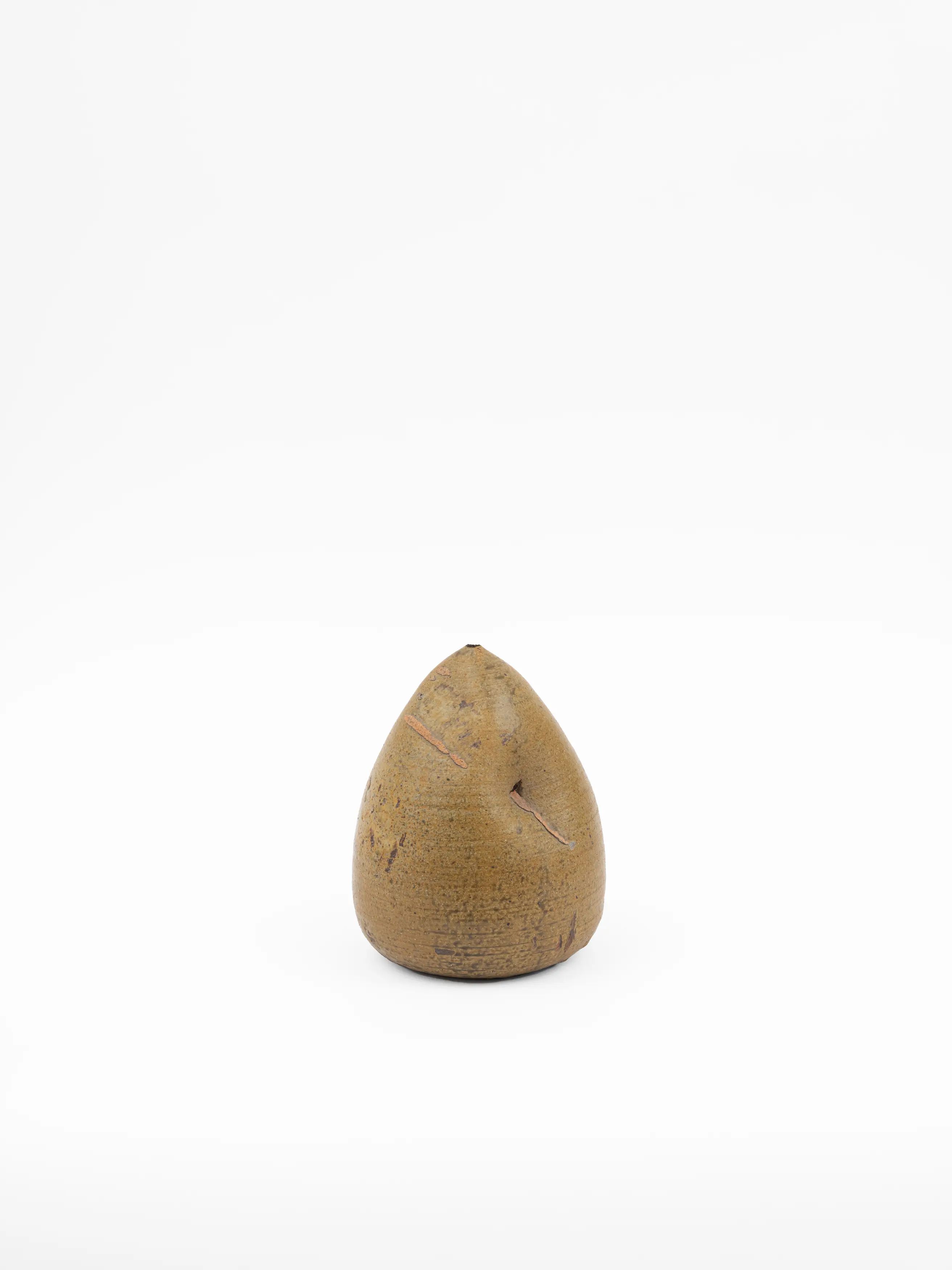
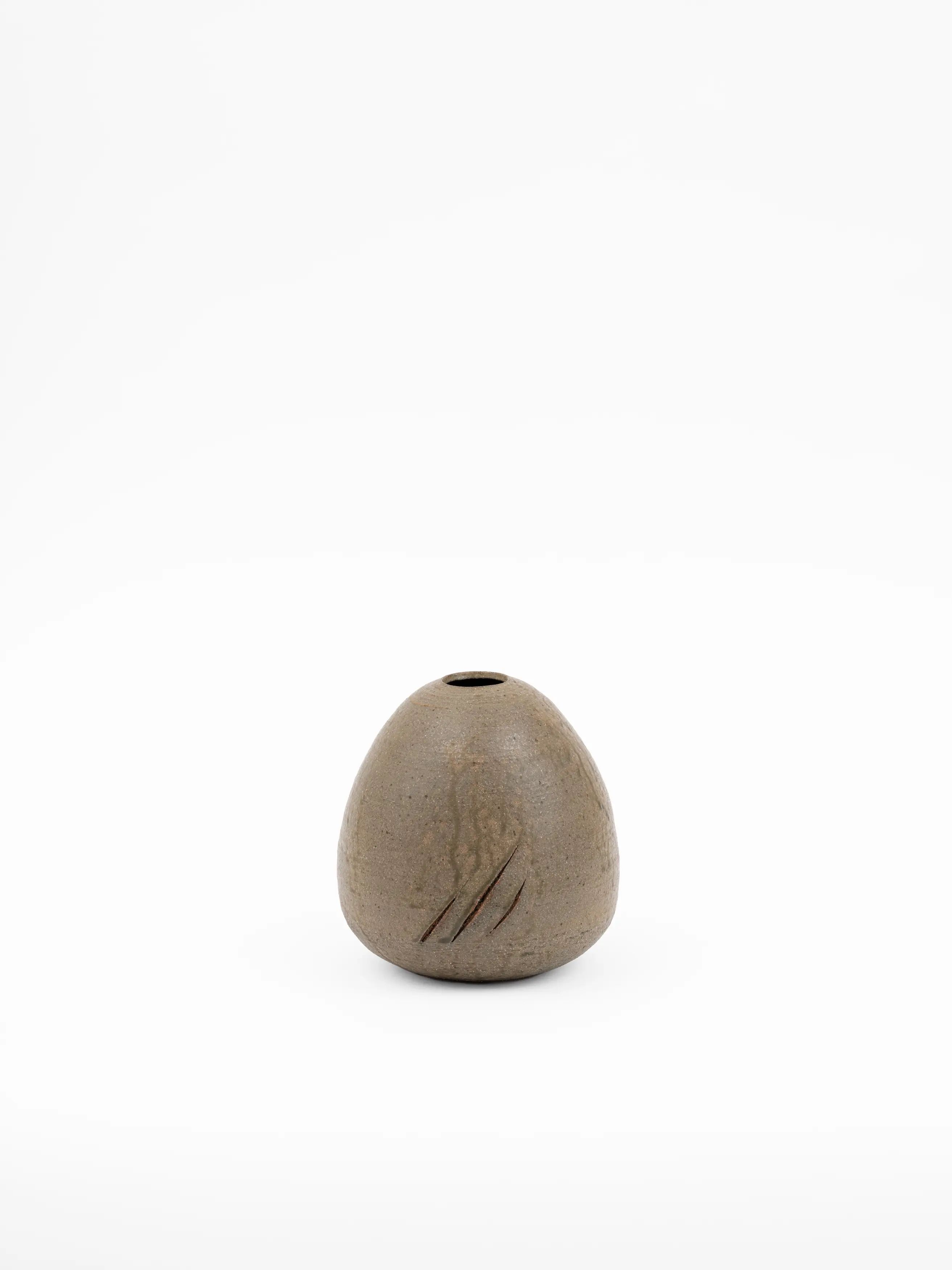
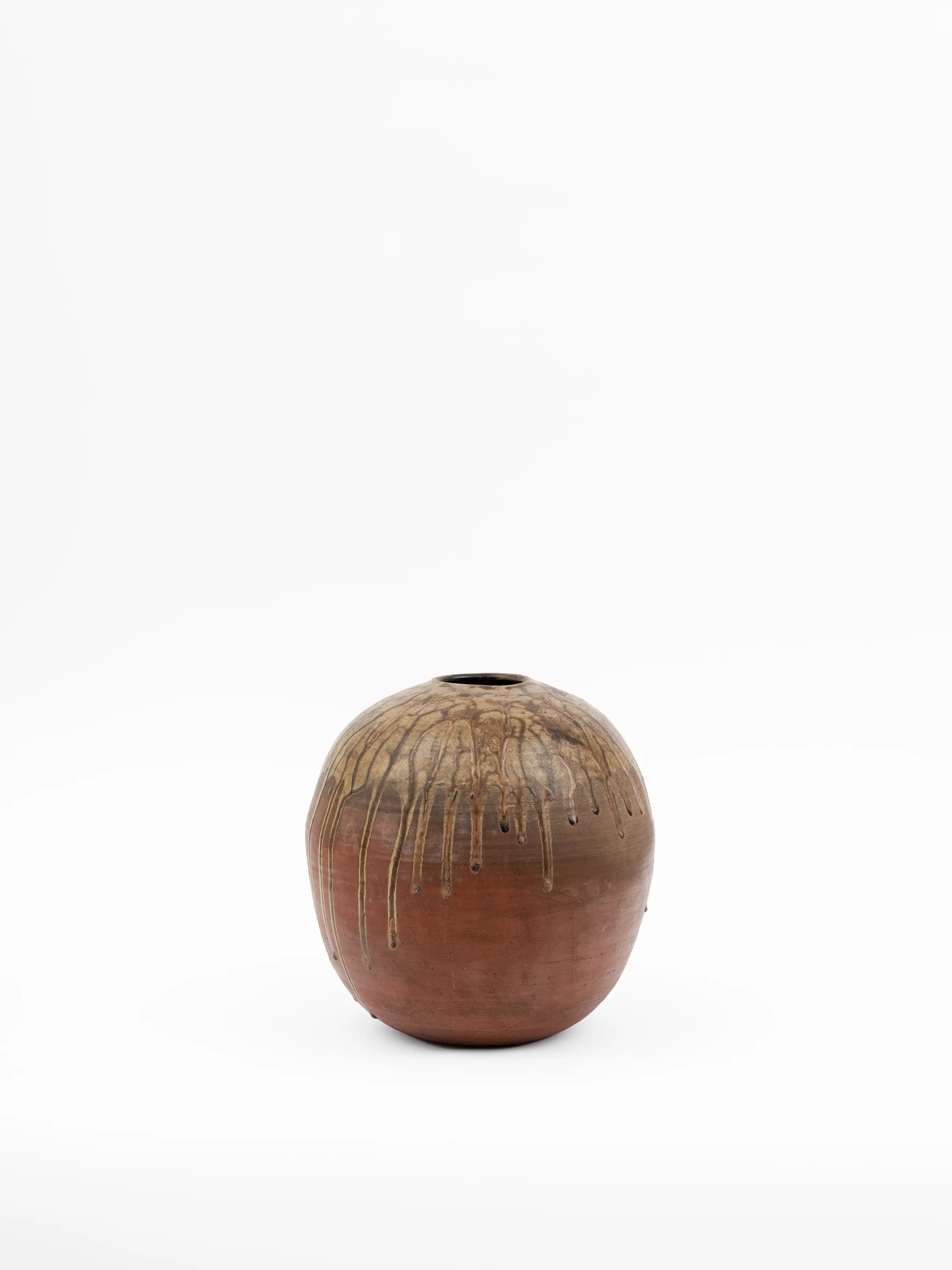
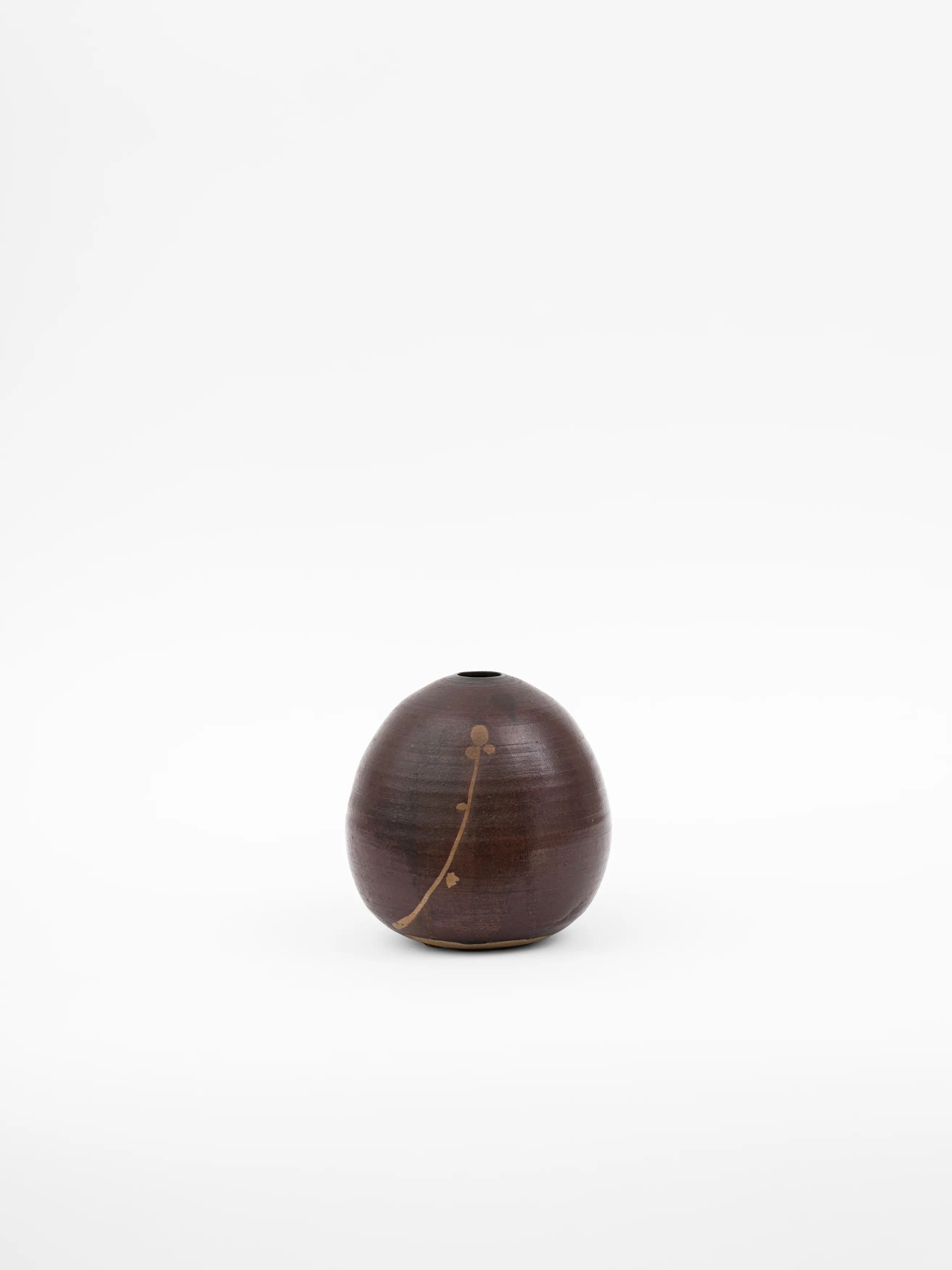
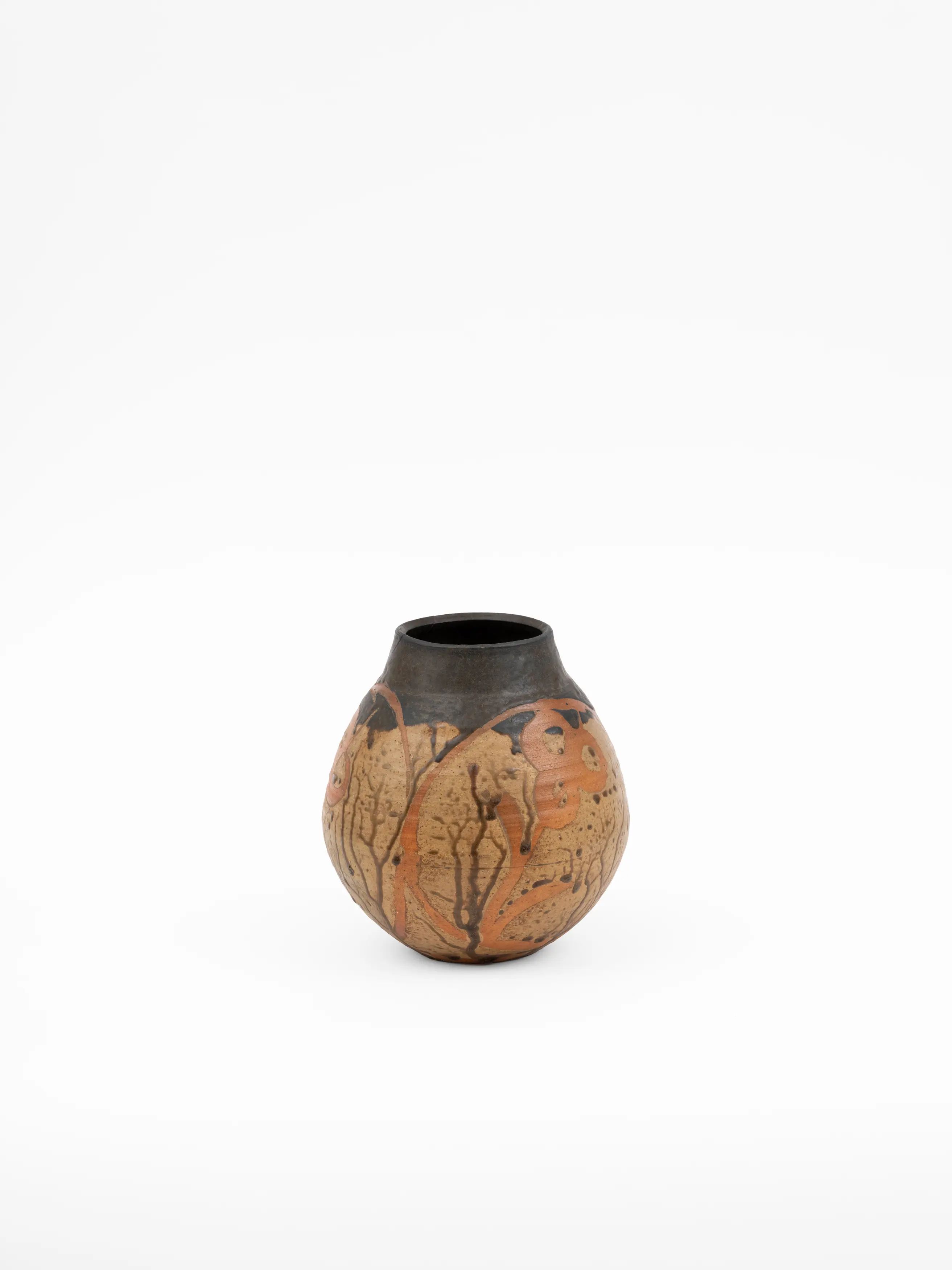
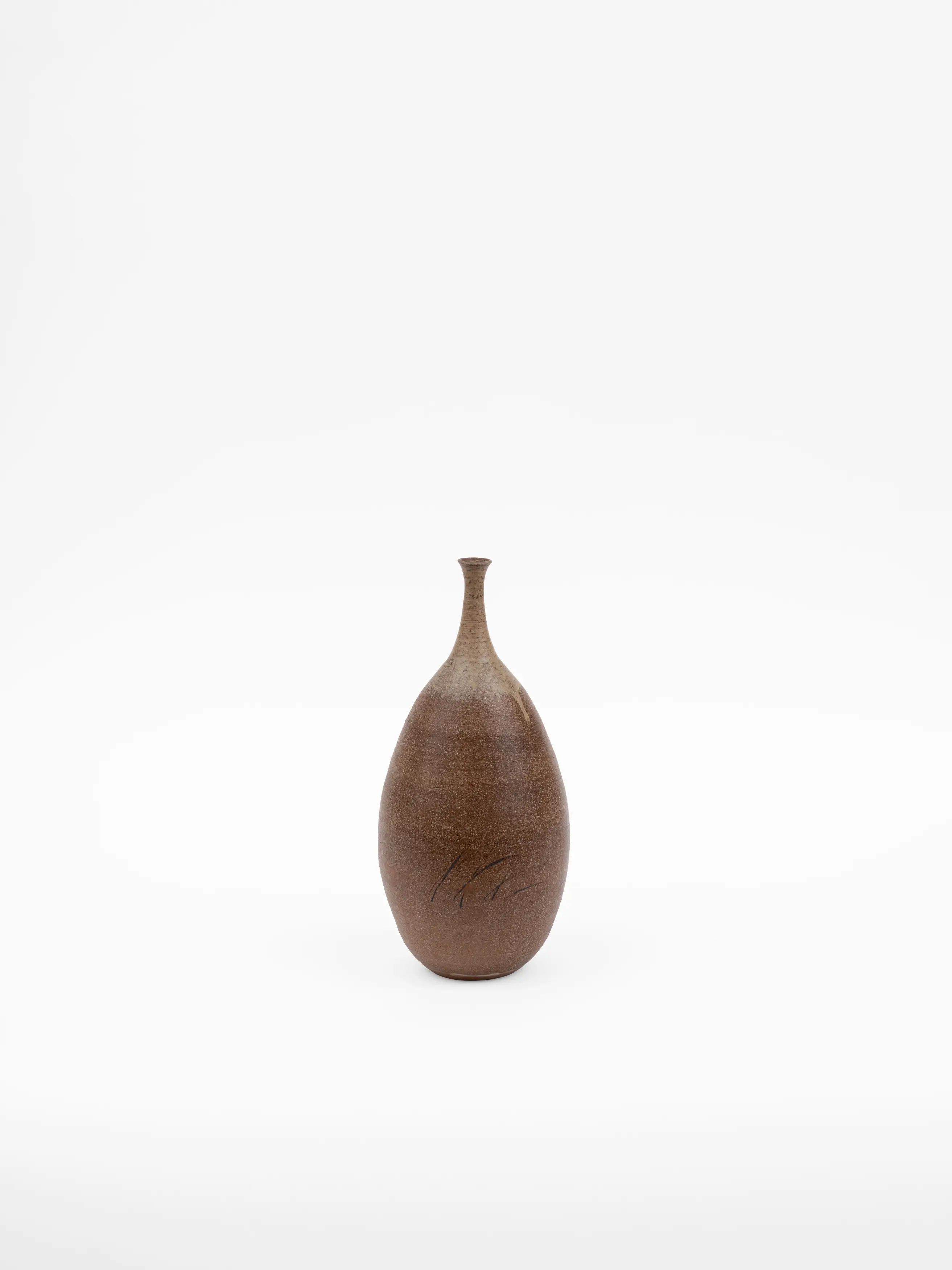
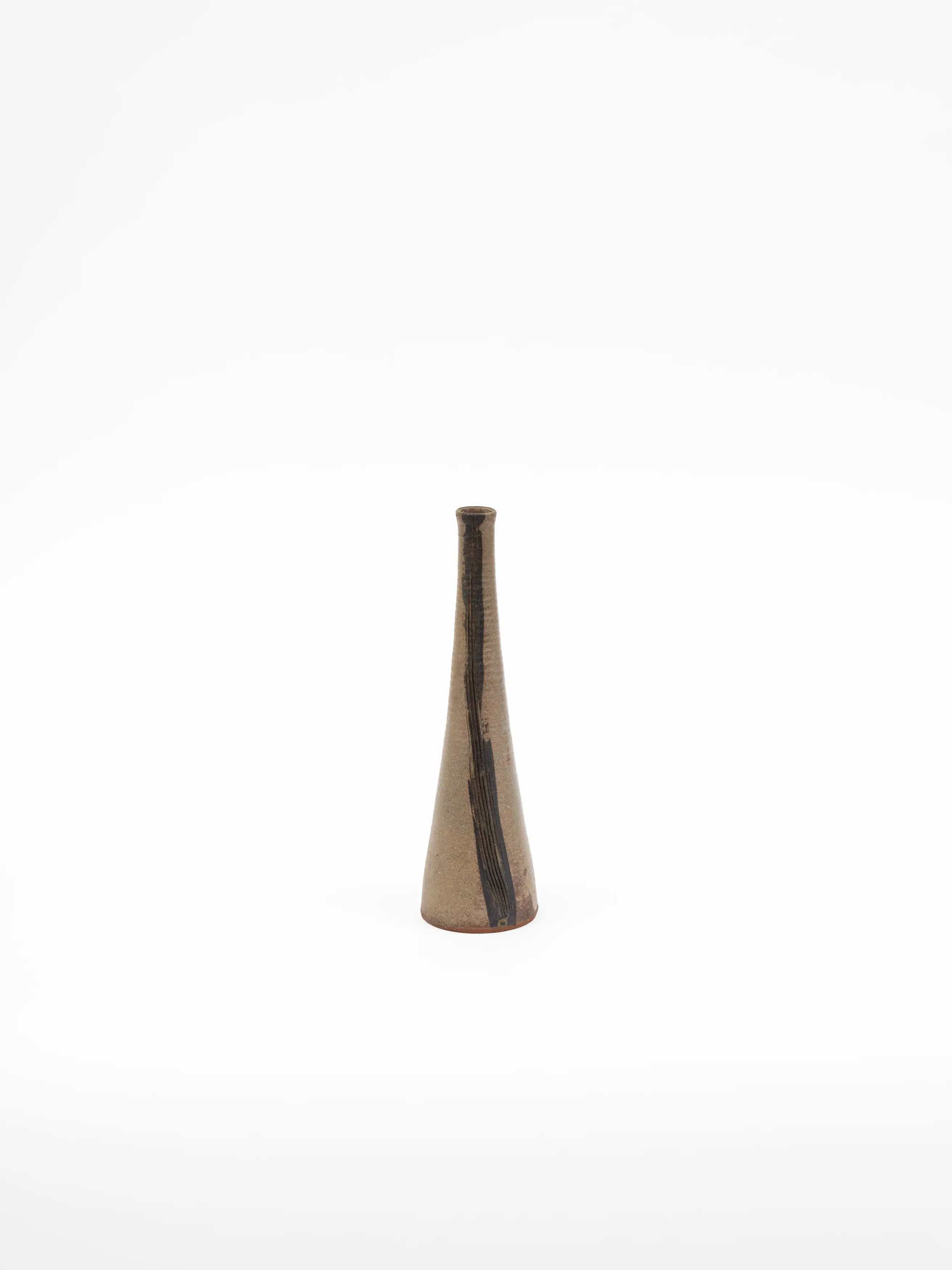
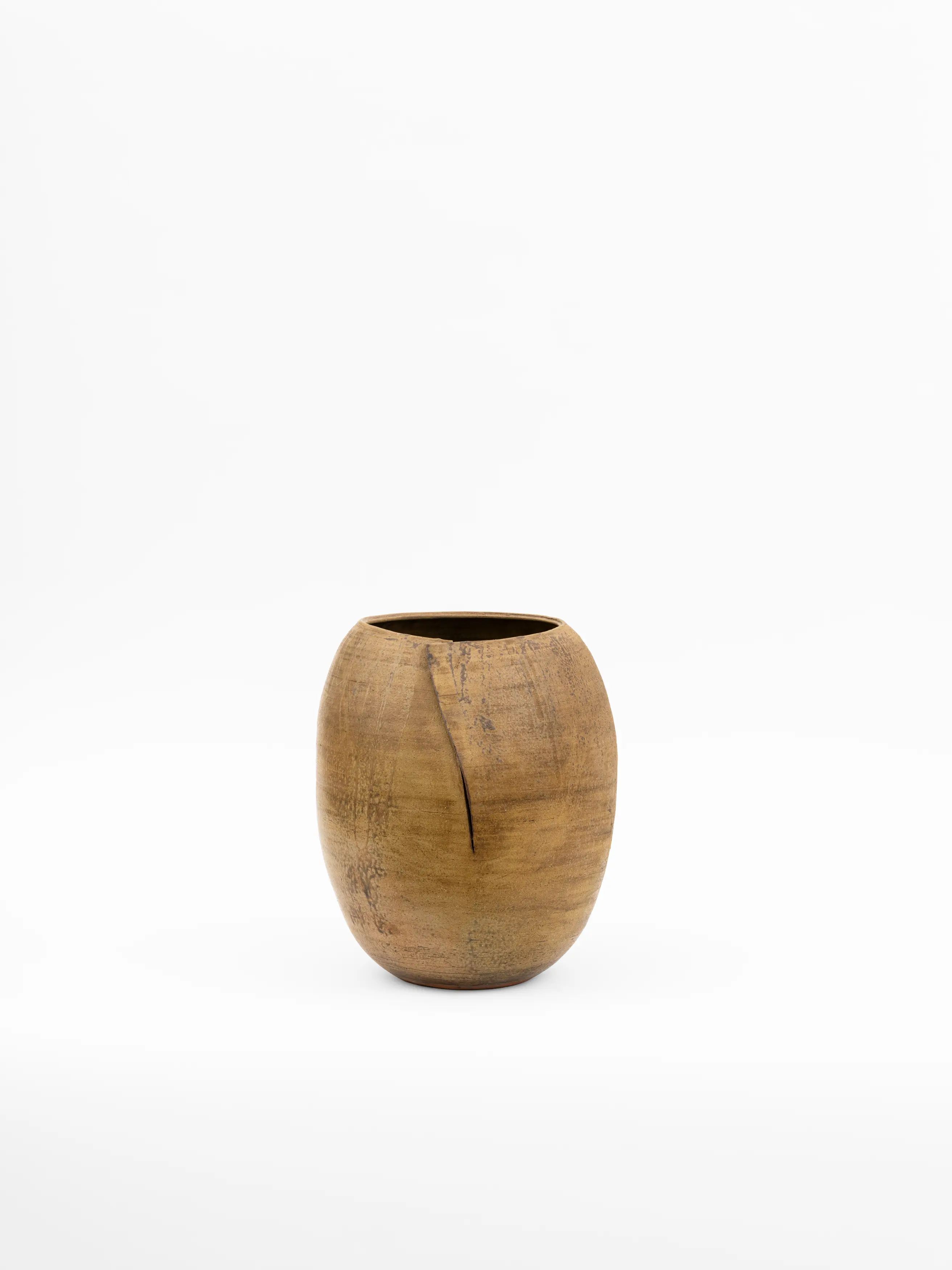
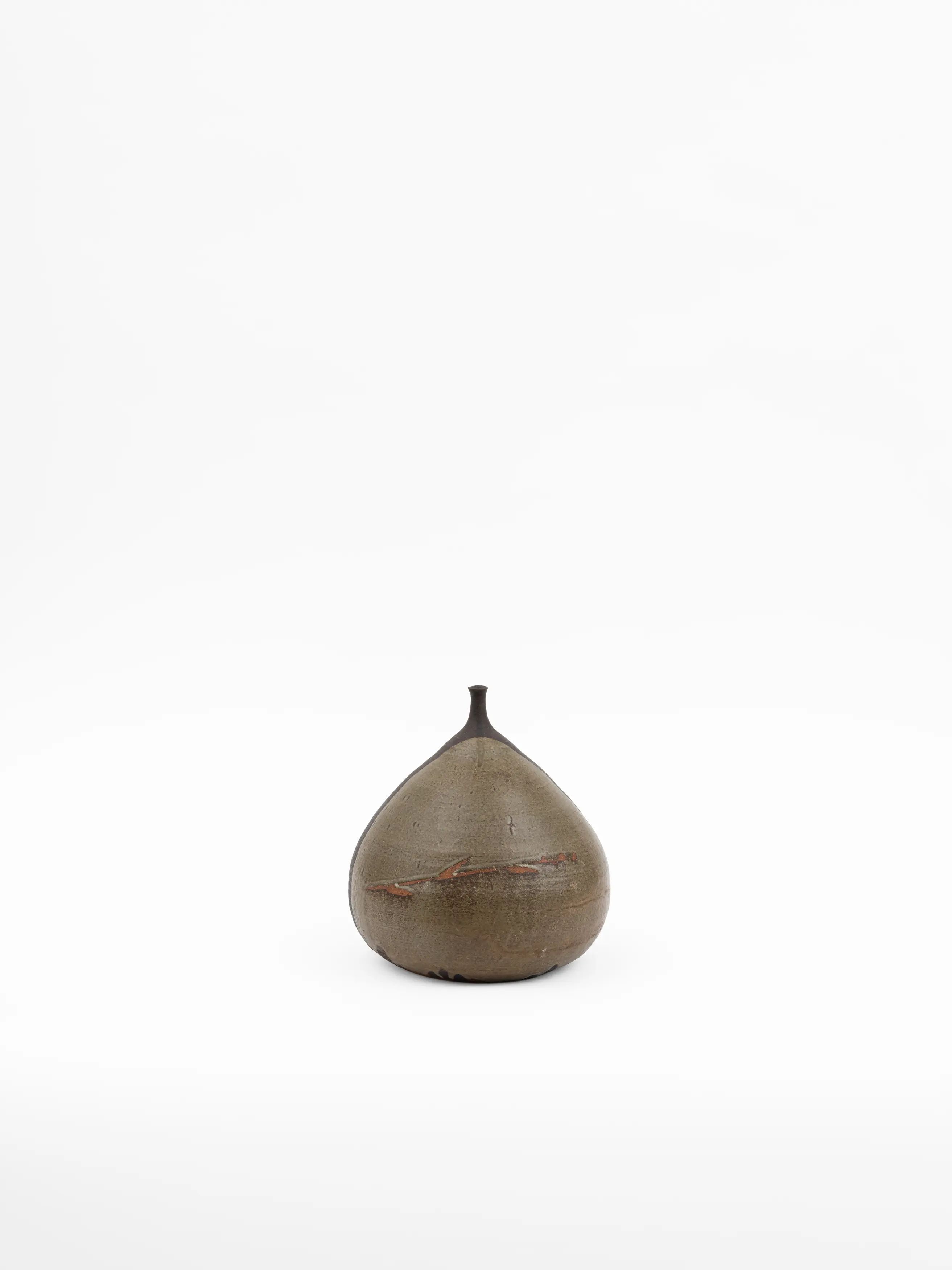
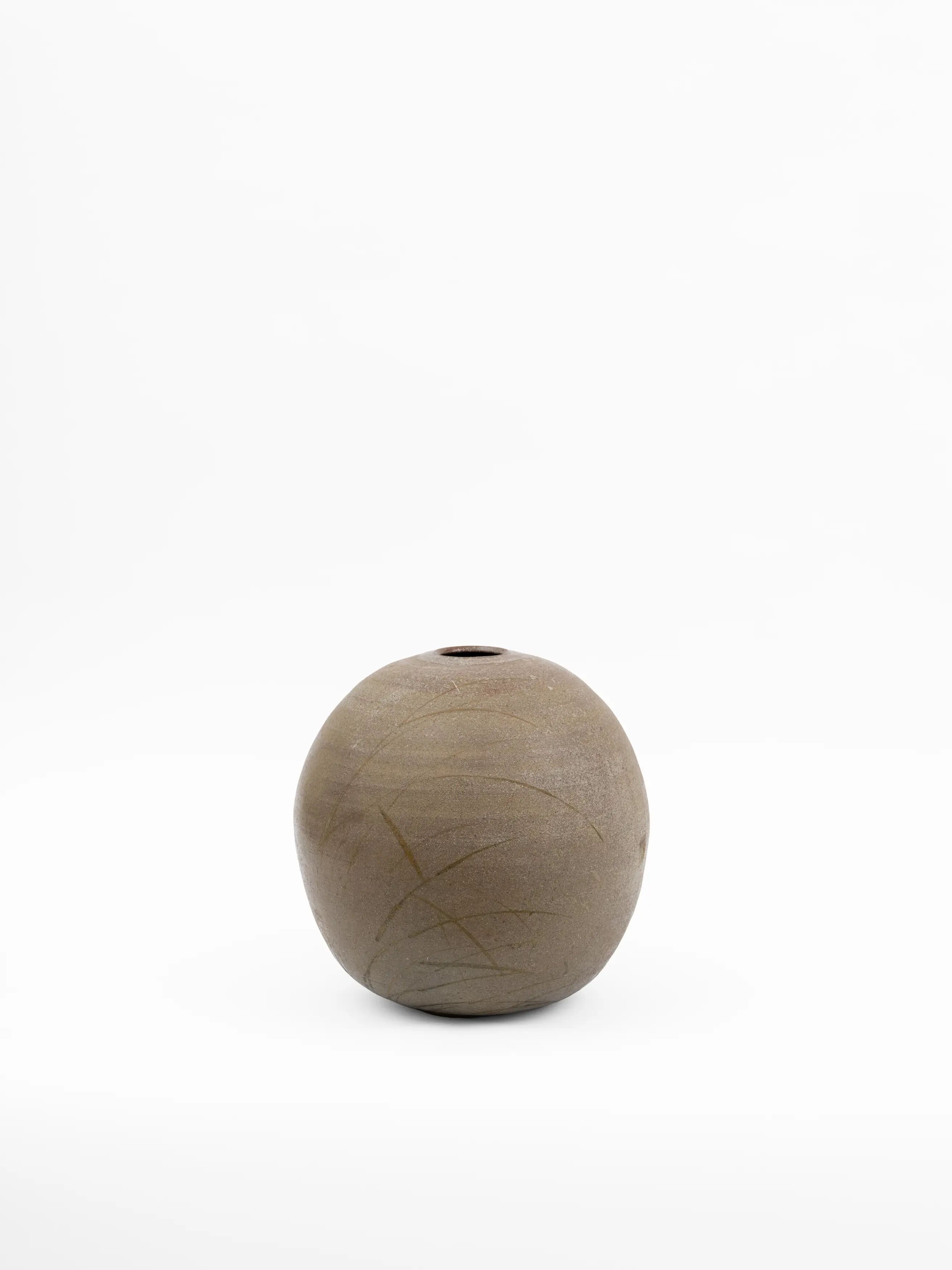
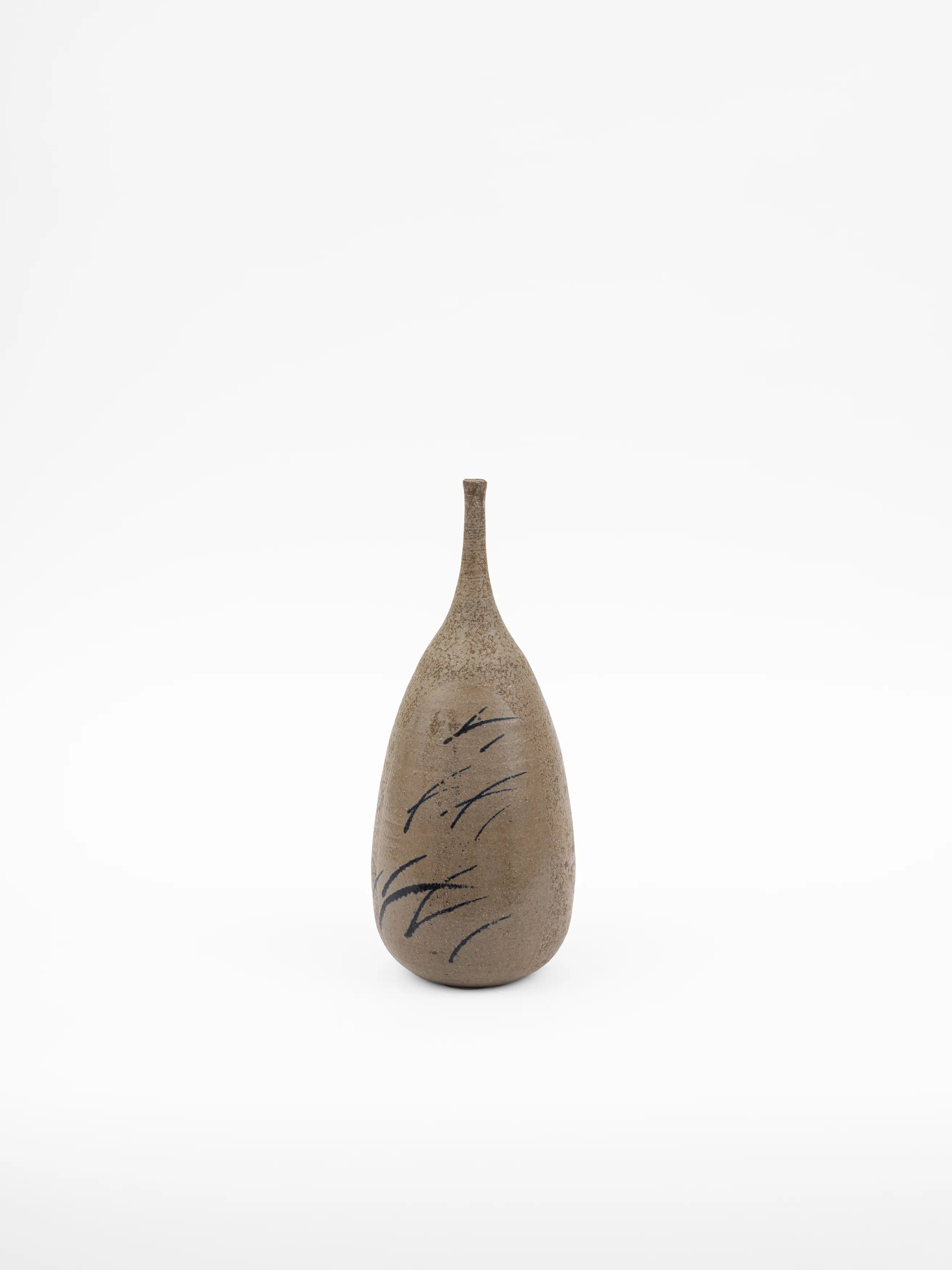
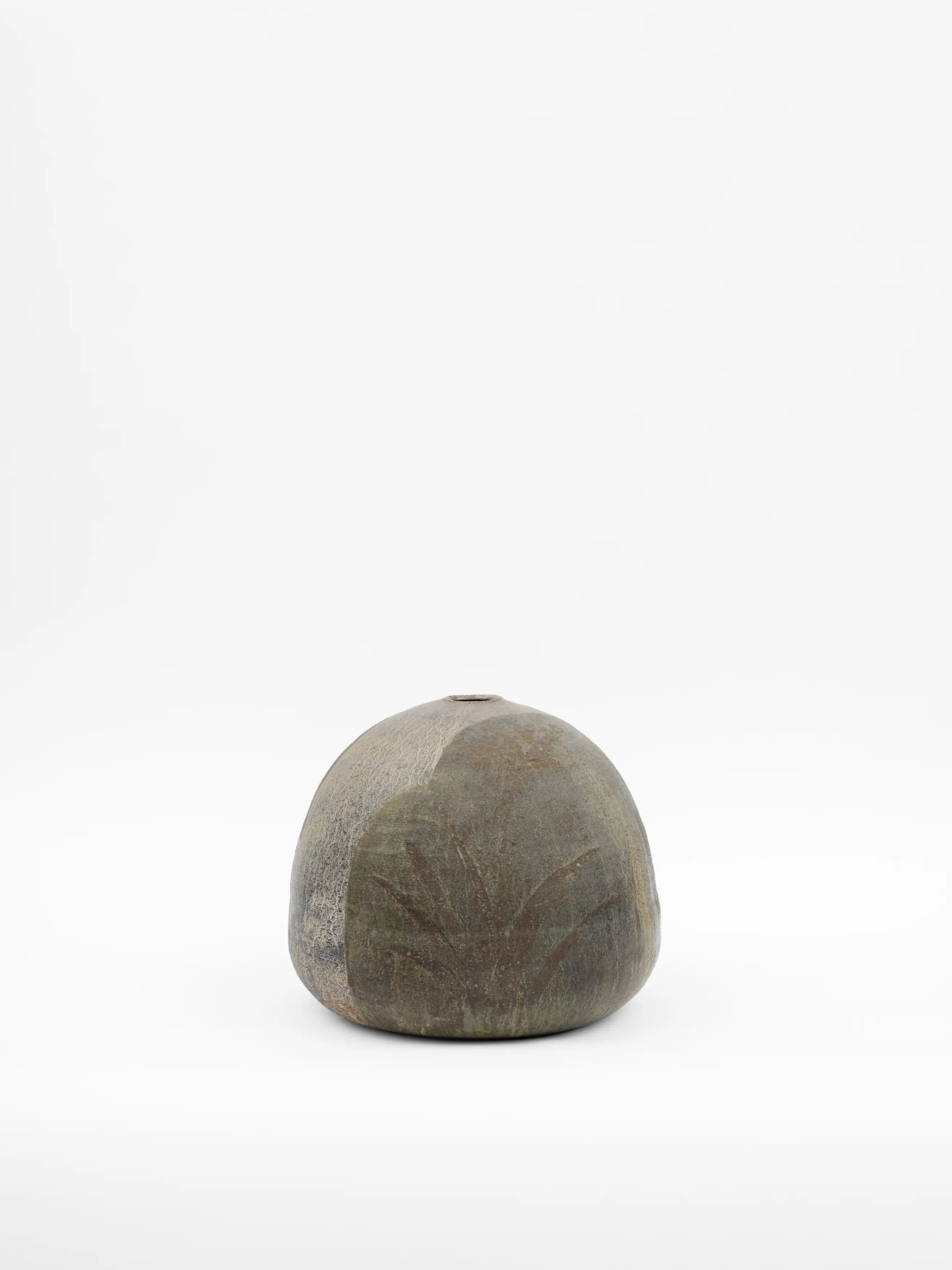
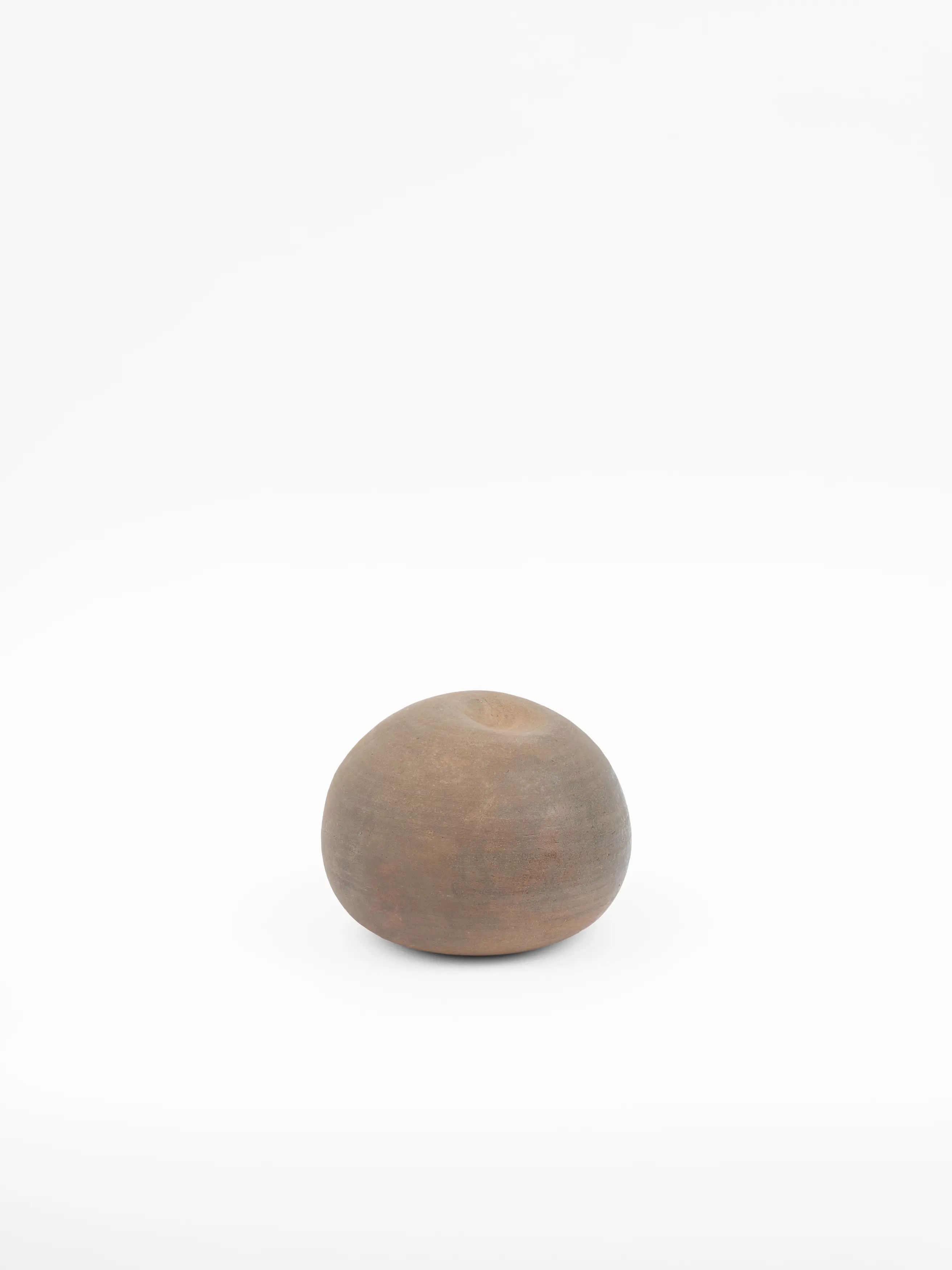
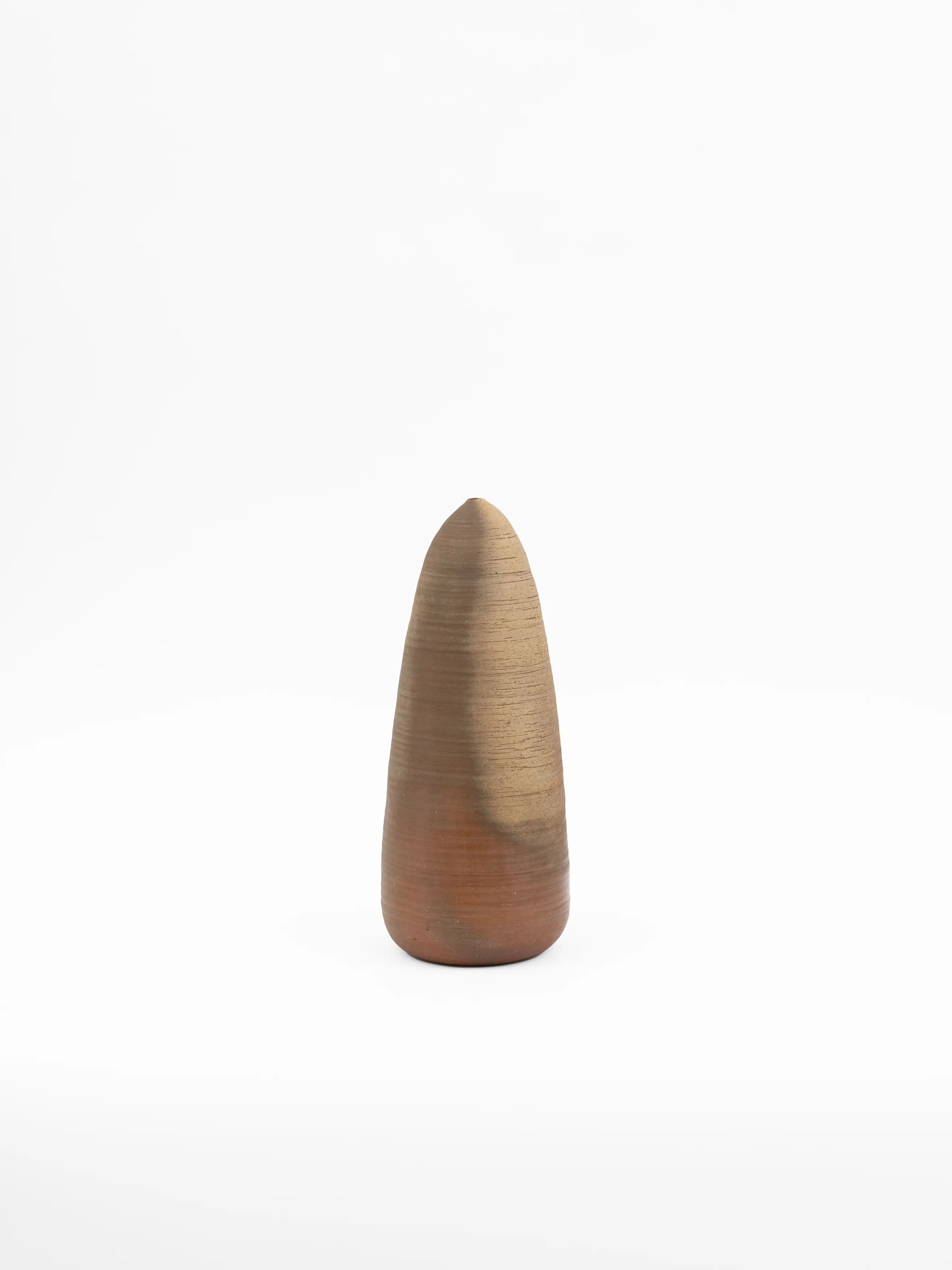
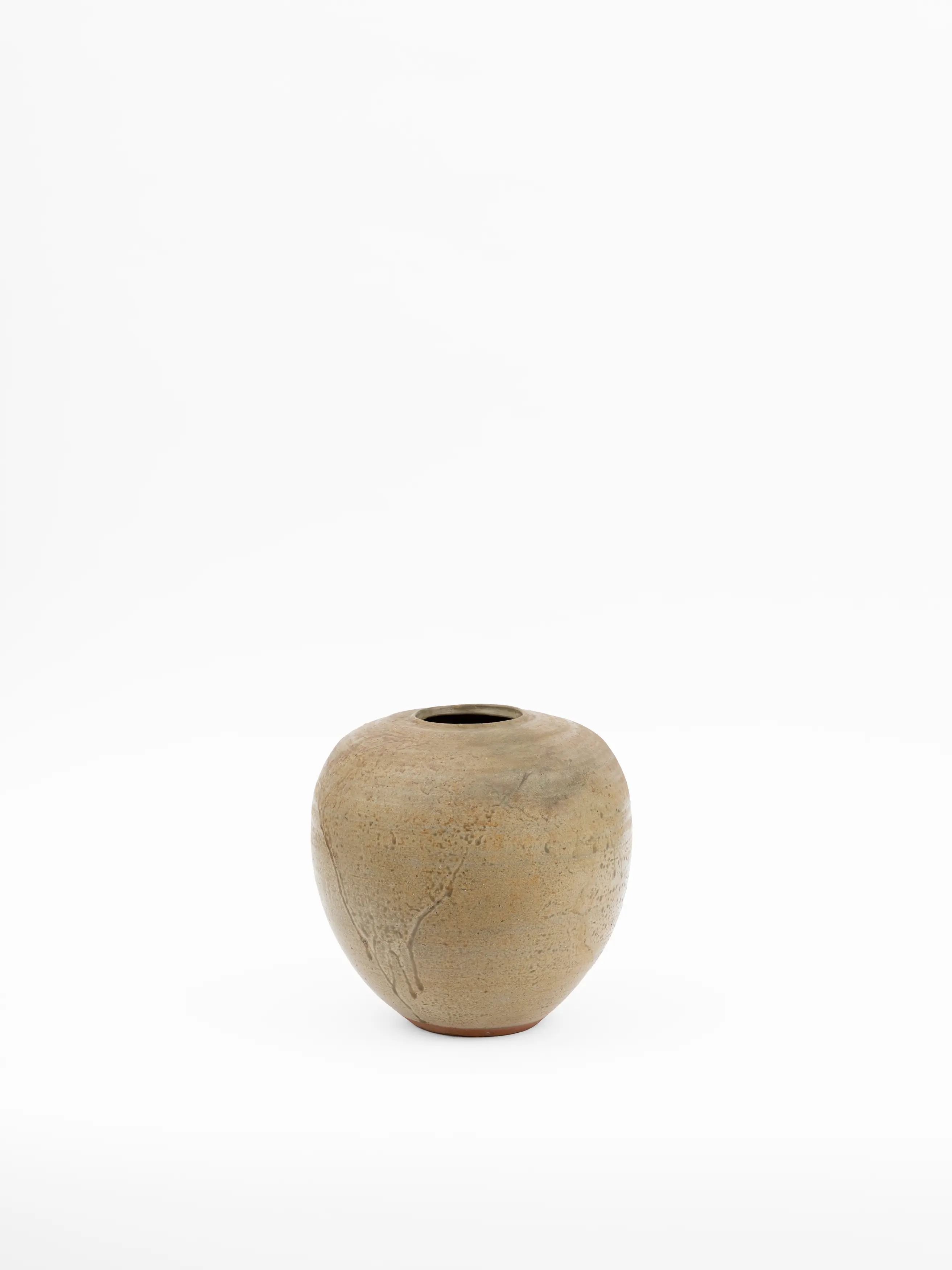
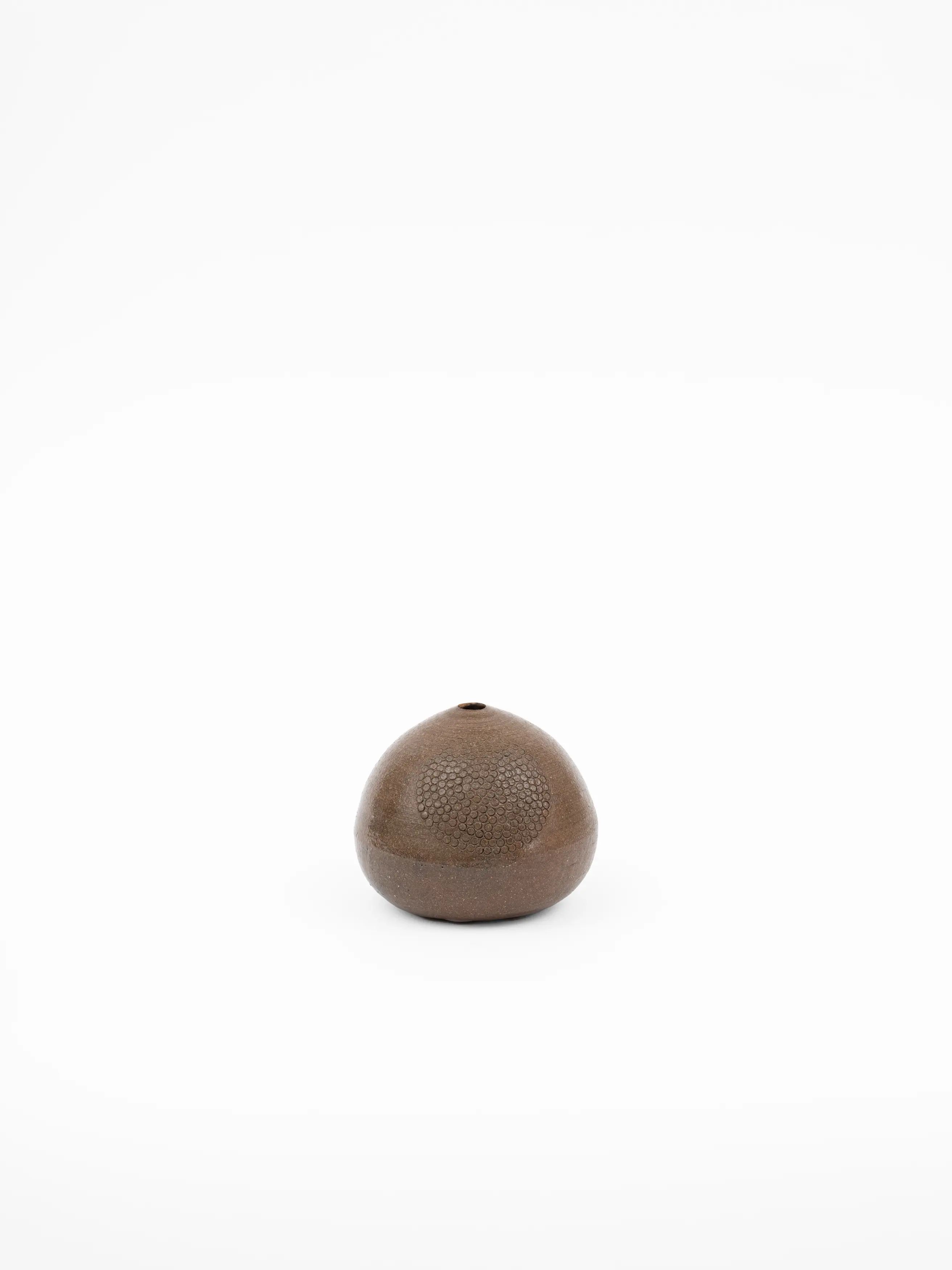
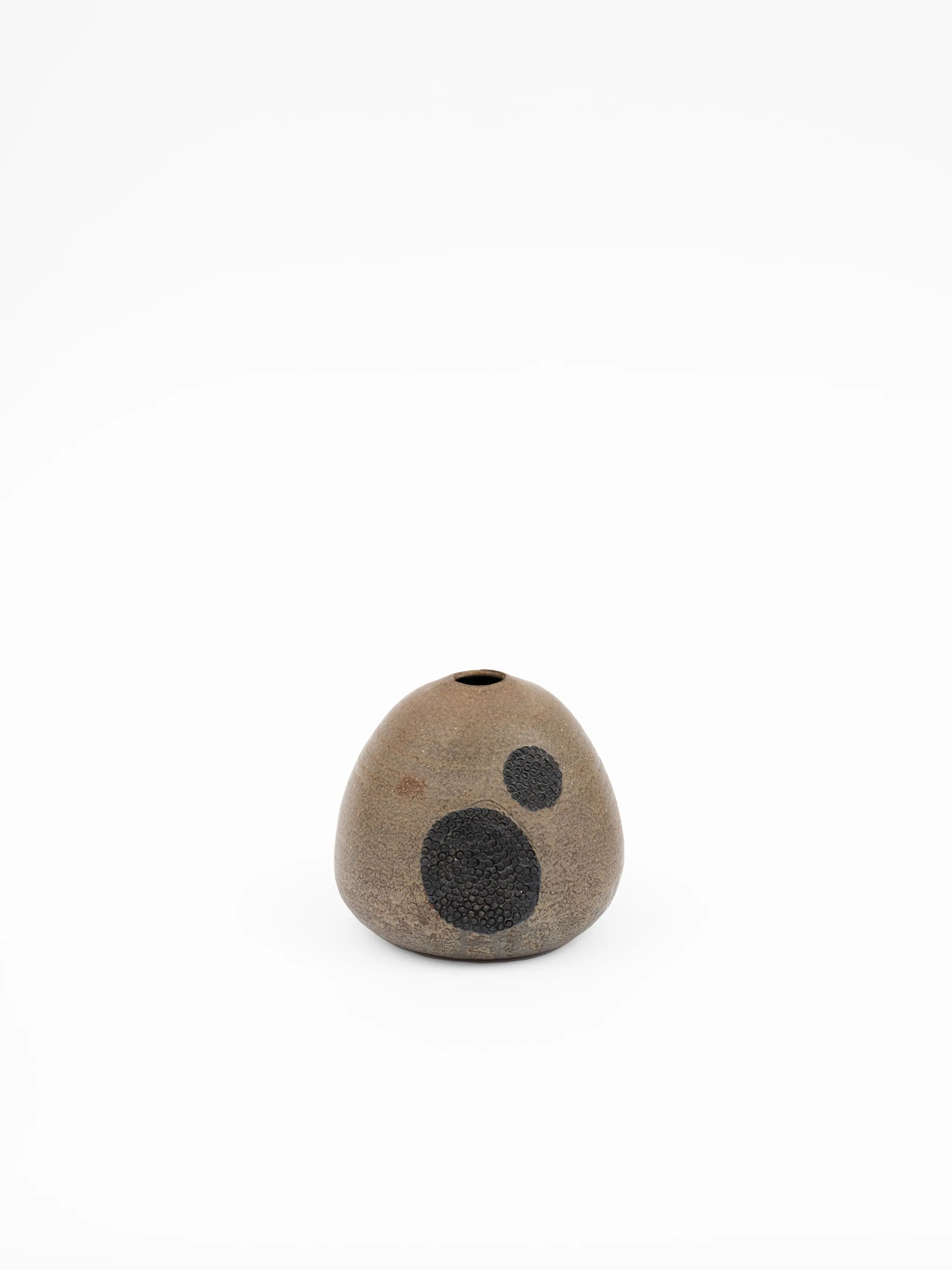
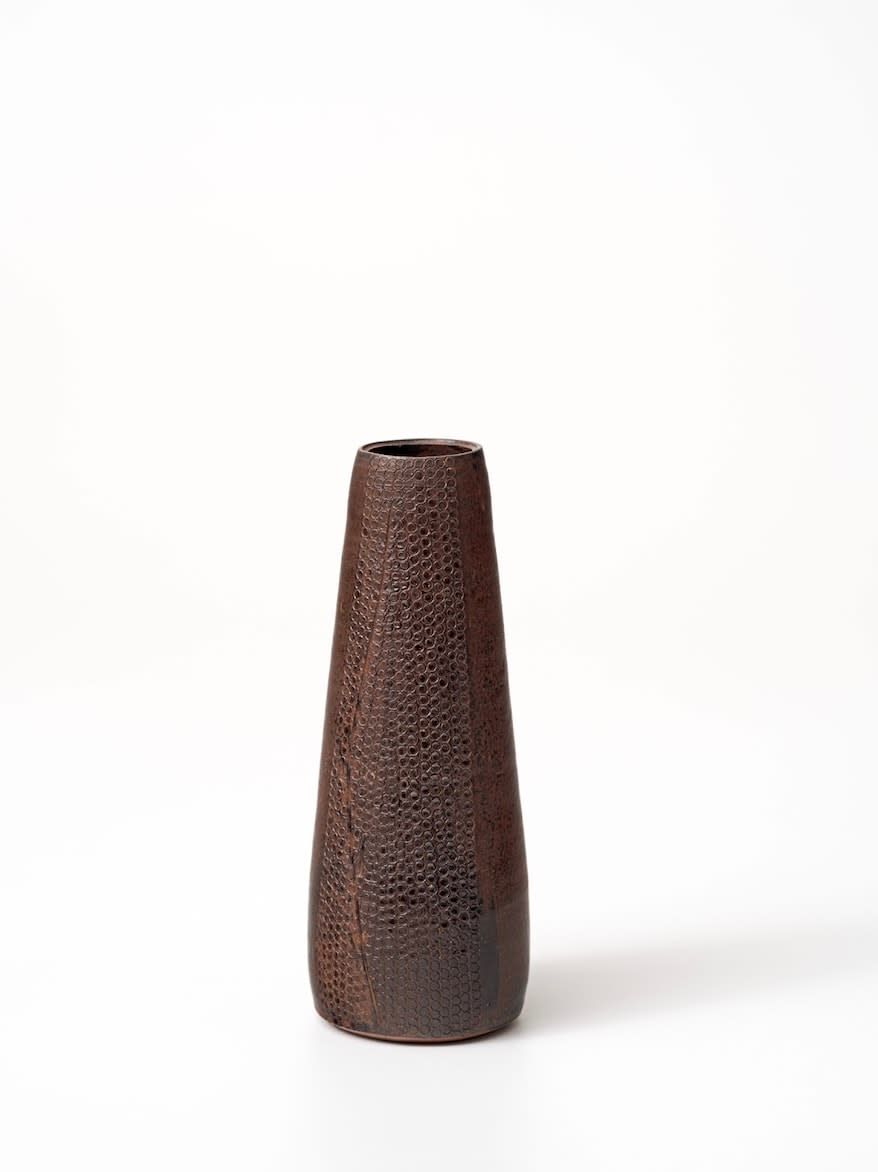
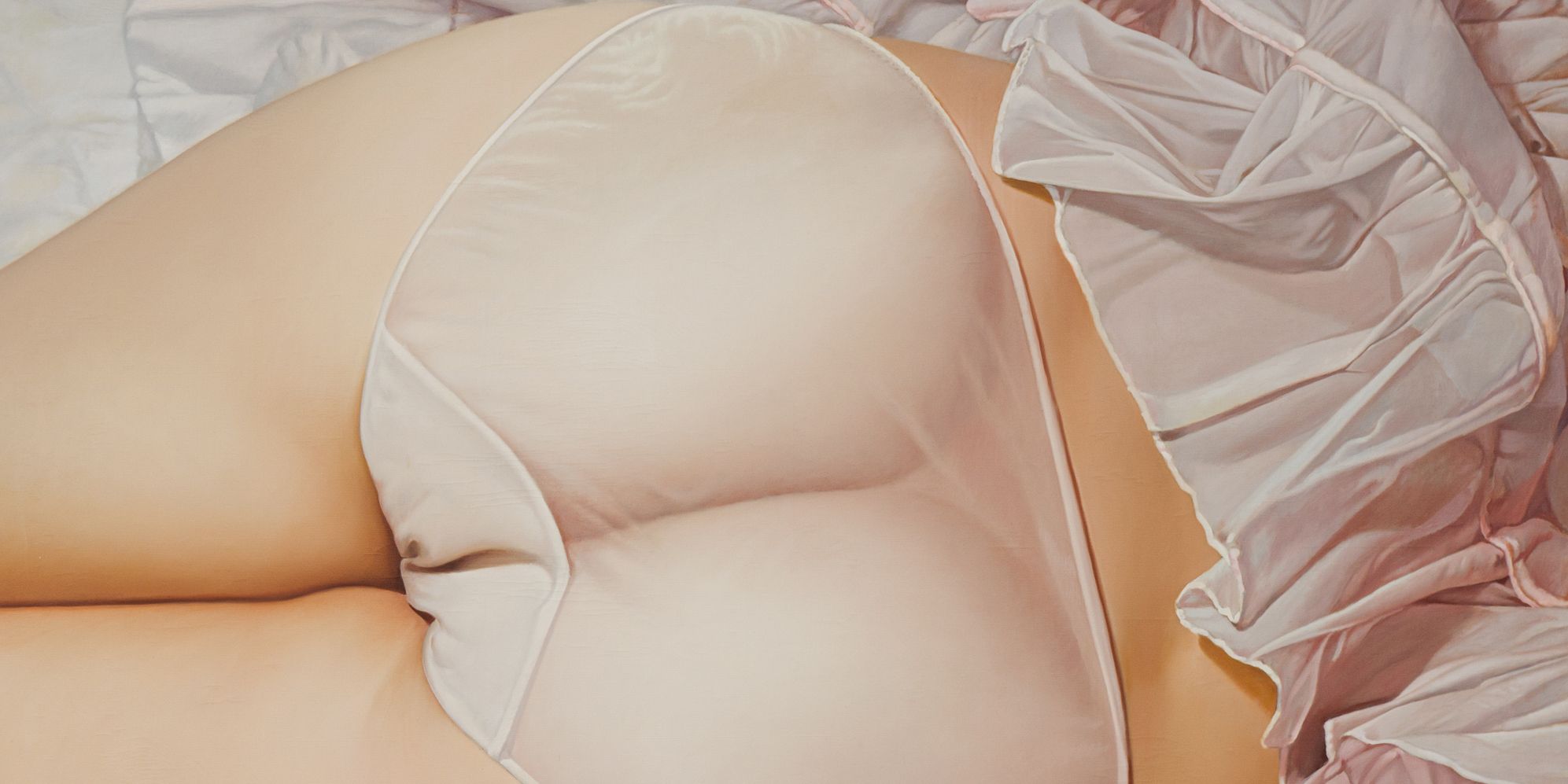
Salon 94 presents a tableau — loosely based on Fernando Botero's bedroom in Paris, where he hung John Kacere's Marianne R, 1973 above his bed.
John Kacere's paintings depict models dressed in lingerie, merging traditional categories of portraiture, landscape, and still life. Marianne R, 1973––once hanging in the Paris bedroom of Fernando Botero––anchors the booth, setting the tone of perspective and abstraction. Kacere adopted a photorealist style in the early 1960s, charting a new career trajectory as one of the original practitioners of photorealism, though he famously rejected the term and was, in turn, rejected by some of his contemporaries for his chosen subject matter.
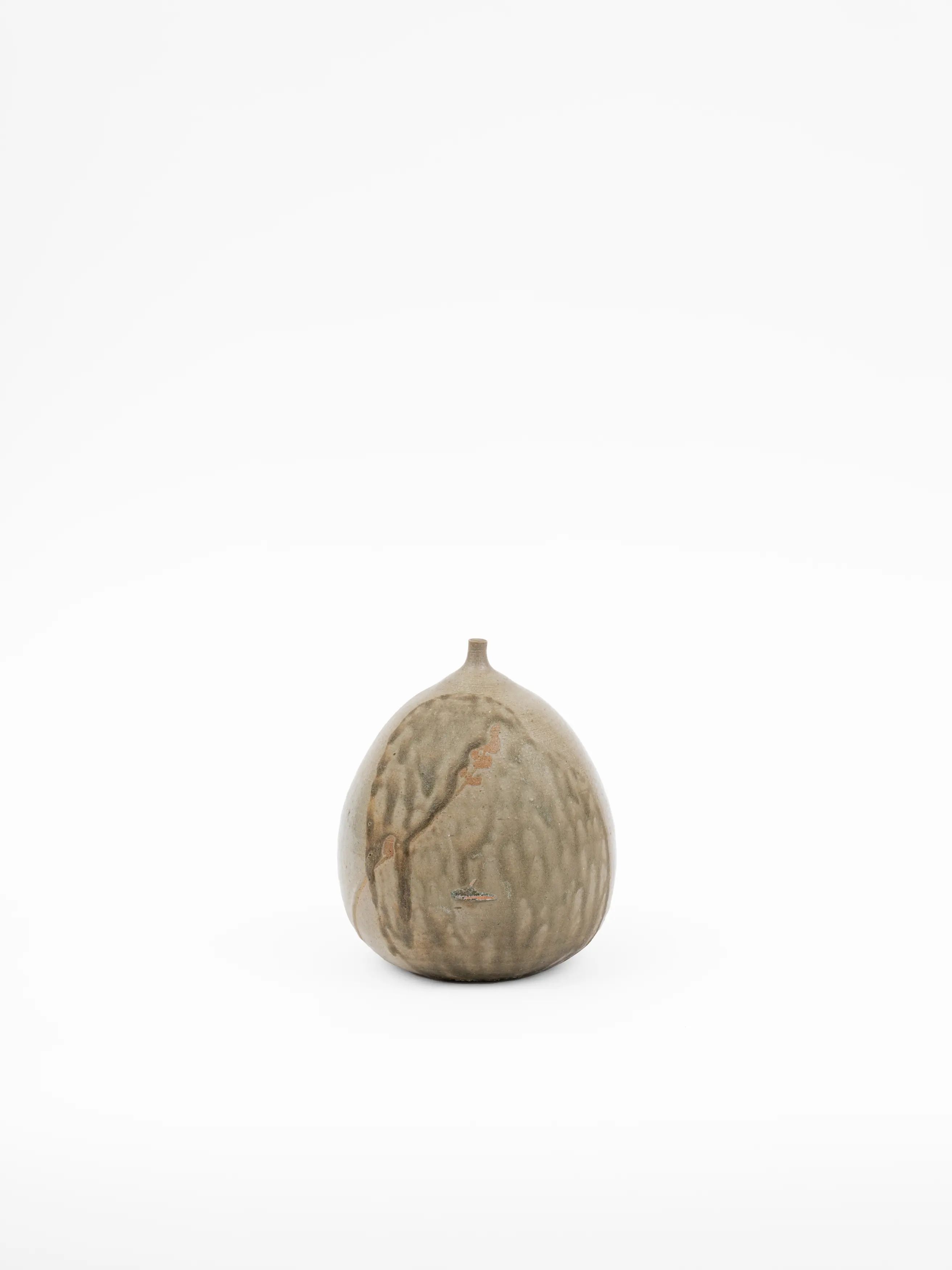
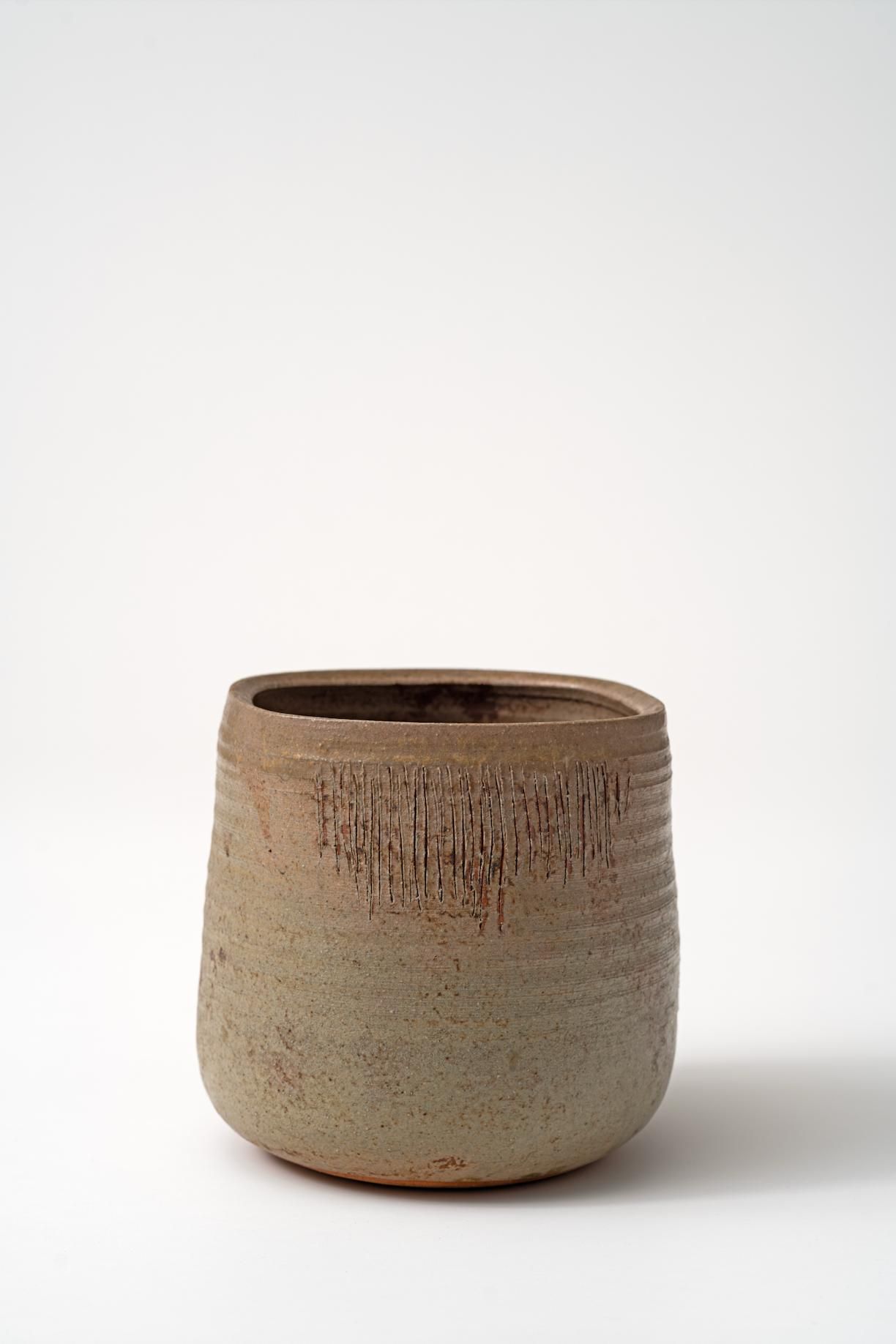
Shoko Suzuki holds a distinctive position in the history of ceramics internationally, defined by her decades-long practice as well as the bold introduction and development of the traditional Japanese noborigama kiln in Brazil. Across her oeuvre, she has affirmed ceramics as an artistic language of high technical and formal complexity, sustained by a continuous dialogue with essential elements of time, fire, and matter. Our presentation at TEFAF, following an exhibition at Salon 94, is Suzuki's first in the United States.
Tom Sachs deepens and gives structure to the booth’s architecture: his signature aesthetic—industrial materials, exposed hardware, and improvisational construction—across furniture, lighting, sculpture and painting, organize the space while evoking the systems from a workshop or prototype lab. These raw, engineered forms create a compelling contrast with both Kacere’s seductive imagery and Suzuki’s handmade ceramics. Warm lighting from Sachs’s fixtures casts warm light across ceramic glazes, painted surfaces, and industrial textures, encouraging visitors to move through the installation as though entering a private residence or collector’s interior.